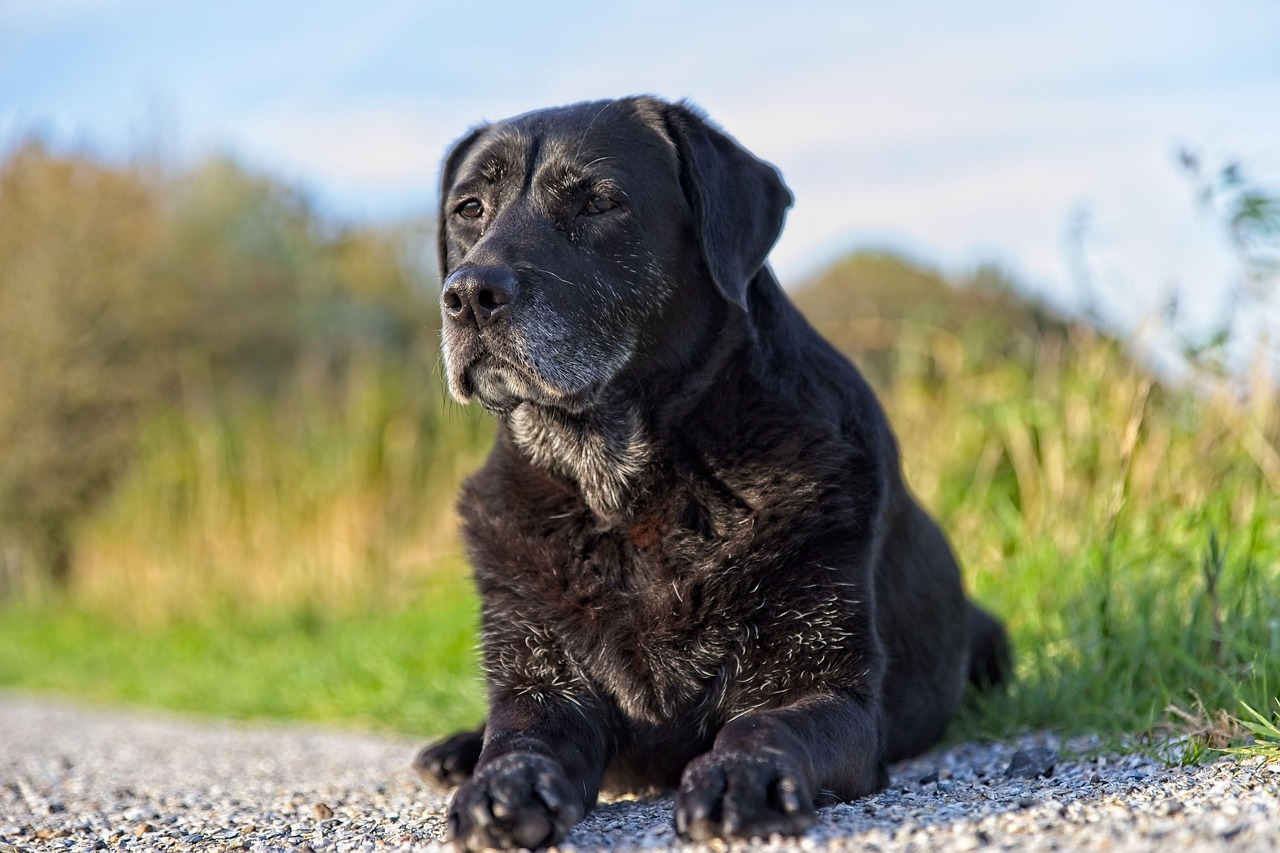

Tips for Traveling with Senior Dogs
Traveling with senior dogs requires extra planning to ensure their comfort and safety. Unlike younger dogs, seniors may have mobility issues, health concerns, and heightened anxiety during travel. Always visit the veterinarian before your trip for a thorough health check; this will help identify any special needs. Preparing a list of all medications, dietary requirements, and emergency contacts is vital. Ensuring that your senior dog has a comfortable designated space in your vehicle will make the journey more pleasant. Consider investing in a harness or dog seatbelt for added safety. Frequent stops are essential so your dog can stretch, relieve itself, and remain hydrated. It’s also wise to pack familiar items like their favorite blanket or toy to offer comfort. Before traveling, acclimatize your dog to their travel crate or carrier. Accustoming them beforehand minimizes anxiety during the actual trip. Lastly, research pet-friendly accommodations in advance to avoid stressful last-minute searches. A well-prepared trip allows for a positive experience for both you and your beloved senior dog.
Before hitting the road, make sure to prepare a doggy travel kit specifically tailored to your senior dog’s needs. This kit should include necessary supplies such as medications, food, bowls, leashes, and waste bags. Additionally, don’t forget to include a first aid kit, which can be essential during unexpected situations. In your journey, monitor your dog’s condition carefully; look for signs of discomfort or distress. Senior dogs might be more prone to travel sickness or anxiety, so ensure they are in a secure, comfortable environment. Stop frequently during your travels to allow your dog to stretch and relieve themselves. Staying hydrated is crucial, so have fresh water available at all times. It’s also beneficial to maintain your dog’s usual feeding schedule, adjusting meal times according to travel plans to prevent digestive issues. Utilize a portable pet water bottle for easy access during outdoor breaks. Lastly, be mindful of the weather; extreme heat or cold can be more challenging for older dogs. Be prepared but flexible — adapting your plans based on your dog’s reactions will ensure a smooth trip.
Accommodations and Safety
When traveling with a senior dog, your choice of accommodation is vital. Ensure you select pet-friendly places that welcome dogs, particularly those that understand the needs of older canines. Look for facilities that offer easy access, such as ground floor rooms or those near exits. This means less stress for both of you, especially regarding mobility issues. Research reviews that specifically mention the experience of traveling with senior dogs; these often reveal useful insights. Also, ensure that your chosen accommodation has adequate amenities like easy walking areas and proximity to parks or veterinary services. Before booking, check for a cancellation policy or any added fees related to pets. When settling into your room, create a cozy spot for your dog using their familiar bedding and toys to help them adjust. Additionally, be cautious about leaving them alone in a hotel room; instead, consider doggy daycare or pet-friendly attractions. If you plan to take your dog on excursions, check ahead for their entrance policies in various places. Your thorough preparation will lead you to enjoy memorable adventures together.
Maintaining a routine while traveling can significantly benefit your senior dog’s wellbeing. Consistency can provide them with comfort amidst the new sights, sounds, and smells encountered during your journeys. Keep their feeding schedules, bathroom rituals, and sleep routines similar to how they are at home. Achieving this balance can help ease anxiety and maintain overall health. Use calming techniques such as gentle petting or their favorite toys to help them settle down. If traveling by air, familiarize yourself with procedures and restrictions regarding pet transport. Choose airlines that prioritize pet wellbeing, especially for older or mobility-impaired dogs. Always prepare for potential delays and ensure your dog is comfortable during waiting times. Bringing their favorite treats can help alleviate stress and serve as both a reward and distraction. Paying attention to their behavior is essential; seek areas where your dog feels safe and secure. Mindfully observing your senior dog will help you better understand their needs, leading to a more enjoyable journey. Your attentiveness and love can transform travel into cherished moments, regardless of the occasional bumps along the way.
Health Precautions During Travel
Traveling with a senior dog necessitates health precautions to safeguard their well-being. Always keep a current health certificate and vaccination records, as some destinations might require them. Understanding and monitoring your dog’s specific health issues is crucial; this may involve consulting your veterinarian about potential challenges while traveling. Bring along a list of local veterinarians at your destination, just in case of any emergencies that may arise during your journey. It’s also recommended to know the location and contact information of the nearest animal hospital to where you’re staying. Make sure to keep their medications on hand, and consider a pill organizer to track dosages. Minimize exposure to extreme temperatures; senior dogs are more sensitive to heat and cold. Bring blankets for warmth during chilly nights and ensure they stay hydrated during warm days. If you notice any signs of illness or discomfort while traveling, don’t hesitate to seek immediate veterinary assistance. Advanced planning and knowing how to respond in emergencies will help alleviate stress for both you and your dog, ensuring a healthy and enjoyable adventure.
While embarking on your travels, remember that the journey should be fun, not just about reaching a destination. Finding pet-friendly parks and attractions can enhance your experience greatly. Look for places that offer trails, open spaces, and rest areas where your senior dog can stretch and socialize properly. Keeping your senior dog socialized with other dogs is beneficial; it usually lifts their spirits and can ease anxiety during the trip. Engage in gentle activities suited to their age and energy levels, such as slow-paced walks along beautiful scenic trails or leisurely beach outings. Taking short breaks during your driving helps ensure your dog remains energetic and comfortable. It’s about creating memorable experiences together; capturing photos of the adventures will deepen your bond. Understand that each dog has their limits, so ensure you observe your dog’s signals closely. If they seem tired, choose a quieter activity or simply enjoy cozy downtime together at your accommodation. Keeping their happiness at the forefront will enhance both your experiences and memories as you travel together.
Conclusion and Farewell
In conclusion, traveling with senior dogs can be a delightful experience with proper planning and care. Paying attention to their unique requirements ensures their safety and comfort throughout your journeys. Create a travel kit, maintain routines, and select suitable accommodations to meet their needs. Prioritize health precautions by consulting with a veterinarian and preparing for potential emergencies. Embrace the adventures you share — from new parks to cozy overnight stays, every moment contributes to cherished memories. Each trip allows you to engage with your dog in ways that strengthen your bond. Remember that quality time spent together outweighs any challenges faced along the way. Traveling with your senior dog should focus on enjoyment and shared experiences. By prioritizing their health and comfort, you can navigate new adventures together, making beautiful memories along the way. Always adapt to their needs; flexibility can make all the difference in ensuring your trip is enjoyable for both of you. With your love and care, every journey can become a wonderful chapter in the story you share with your beloved companion. Safe travels and happy exploring!
Traveling with senior dogs requires extra planning to ensure their comfort and safety…