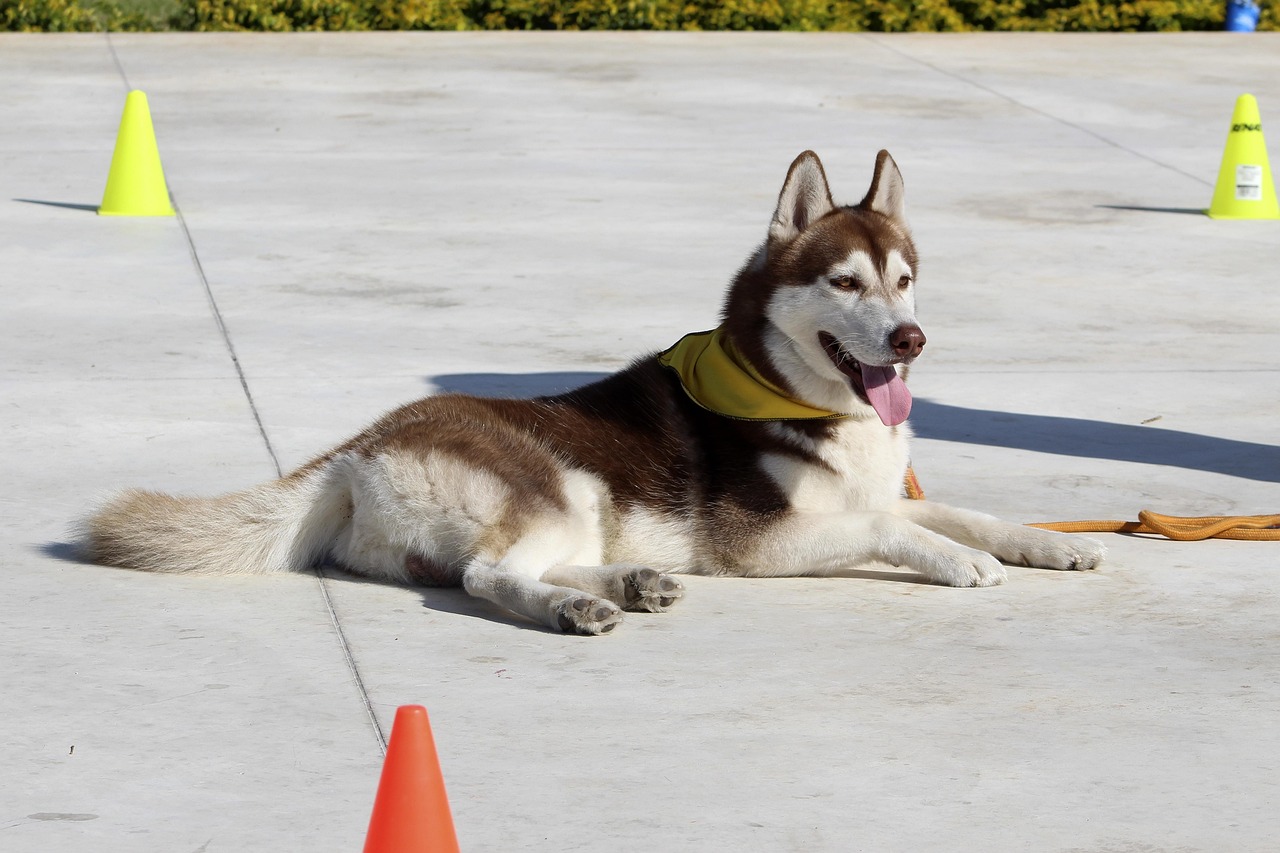

Using Clicker Training for Barking Control: Step-by-Step
Understanding your dog’s barking habits is crucial for effective barking control. Dogs bark for various reasons, including boredom, anxiety, attention-seeking, or alerting their owners to something. By identifying the trigger behind your dog’s barking, you can better tailor your approach towards modifying this behavior. Keeping a log of when and where your dog barks often helps to pinpoint these triggers. With the right tools, such as a clicker, training becomes a structured and rewarding process. The goal is to teach your dog when it’s appropriate to bark and when to remain quiet. Consistent communication is vital for the success of this training method. Using the clicker, you can quickly mark desirable behavior, helping your dog learn effectively. This training technique can create a positive association with quieter behavior. A clicker allows for precise timing in signaling to your dog that they’ve behaved correctly. Additionally, combining clicker training with treats can enhance motivation for your dog. Over time, with patience and persistence, you’ll likely see a reduction in excessive barking.
To begin, ensure you have the essentials: a clicker, treats that your dog loves, and a distraction-free environment. Start by getting your dog comfortable with the clicker. Click the device and immediately reward your dog with a treat. Repeat this several times until your dog begins to associate the click sound with receiving a treat. This foundational step establishes the communication channel necessary for training. Once your dog responds well to the clicker, you can begin addressing barking behavior directly. Identify specific situations that trigger your dog to bark excessively. It might be when someone rings the doorbell or passes by your window. Each time your dog starts barking, wait until they stop, even for a moment. As soon as they quiet down, click the clicker and reward them with a treat. This method communicates to your dog that silence leads to rewards. The key is to remain patient and consistent. Over time, your dog will begin to understand that they can control the situation by being quiet instead of barking.
Next, gradually increase the distractions in the environment. After addressing some controlled situations, introduce scenarios where barking is likely. For instance, have a friend ring the doorbell while you practice training your dog. When your dog erupts into barking, calmly wait until they stop, click that moment, and reward again. This technique reinforces the notion that silence yields positive results. It’s important to be patient; it may take several repetitions for your dog to make the connection in more chaotic situations. If your dog struggles, consider taking steps back to simpler environments where they have been successful. Utilizing various reinforcement techniques can also be beneficial. This can include verbal praise or using toys as rewards. Changing up the rewards can prevent monotony and keep your dog interested. With consistent practice, your dog should start to exhibit more control over their barking behavior. Remember, training is not about punishment; it’s about teaching and rewarding your dog for good behavior.
Maintaining Positive Behavior
Once your dog exhibits decreased barking tendencies, it’s important to maintain this new behavior through ongoing training. Keep practicing the clicker training regularly, even if barking levels have improved. This consistency solidifies your dog’s learning and reinforces their desire to remain quieter. Set aside time each day to practice commands and reward the expected behaviors as they come up. Mix in basic obedience training to keep the sessions engaging and beneficial. A well-trained dog is a happy dog, and continuing to build your dog’s skill set will help strengthen the bond you share. It also ensures that they remain mentally stimulated and less prone to barking out of boredom. As you reinforce your training, consider varying the context in which your dog learns to stay quiet. Taking them to the park or introducing new environments can be beneficial. Each new situation will help your dog generalize what they’ve learned about barking control. Remember to remain patient as your dog adjusts. It’s not uncommon for dogs to slip back to old behavior patterns during this learning phase.
If you find that the barking continues despite consistent training, consider getting a professional evaluation. A certified dog trainer can offer valuable insights into your dog’s behavior. They can help identify issues you may not have noticed and provide personalized strategies to remedy barking problems. A trainer may suggest additional techniques that complement clicker training, enhancing the overall effectiveness of your approach. It could involve pairing clicker training with other behavioral-modification techniques. Also, reinforce the idea that negative behaviors should not be met with punishment. Instead, sharply focus on positive reinforcement. Keeping your training sessions upbeat encourages your dog to participate fully. Regular breaks and playtime during training can help maintain your dog’s focus and enjoyment. Mastering barking control takes time, but consistency and commitment will yield results. Your bond with your dog will deepen as you collectively work through training challenges. So, stay persistent, and always acknowledge even small victories. Recognizing progress coaxes your dog closer to learning lasting change.
Another vital aspect of barking control is understanding when your dog can bark. Some barking is natural and warranted; it can serve as an alarm or for play. Your goal with training isn’t elimination but moderation and control. Instead of stopping barking entirely, focus on having your dog respond to cues indicating when it’s time to stop. Using commands like “quiet” or “enough” during training can help establish vocal control, allowing you to set clear boundaries. Start practicing these commands during low-stress situations to build reliability. As with the clicker training, be sure to reward your dog when they respond appropriately. The more they understand the relationship between the command and their action, the more trustworthy they will be. With enough practice, your dog will learn the cues during real-life scenarios. Employing a consistent tone and calm demeanor during these commands is critical for success. Remember not to scold or punish your dog for barking, as this can generate confusion and anxiety, triggering more undesired behavior in the future. Focus solely on positivity.
Challenges and Solutions
Training a dog to control excessive barking can come with challenges. Factors such as breed tendencies, age, and past experiences can affect the process. Some breeds are naturally more vocal than others; this might require extra patience and specialized techniques. Furthermore, older dogs may take longer to adapt. Be prepared that progress may sometimes feel slow, and it’s essential to stay calm and not become frustrated. If challenges arise, it’s crucial to evaluate the situation critically, identifying what tactics don’t yield results. Incorporating a variety of training strategies can increase engagement and overall effectiveness. Consider expanding your knowledge through books, online training courses, or seeking advice from a professional trainer. Every dog learns at different paces, and this variability must not discourage you. Remember, each session is an opportunity for growth, both for you and your dog. Celebrating the small wins will remind you of the journey. Stay committed to your goals and approach training positively. With love and effort, you and your dog can progress towards effective barking control together.
Barking control through clicker training not only reduces noise but also strengthens the bond between you and your dog. As your dog learns to respond to the click and treats, they become more attuned to your cues. This mutual understanding can lead to a more harmonious living environment. Additionally, the skills your dog develops throughout this process might transfer to other areas of obedience. Teaching your dog to listen to commands and control their behavior fosters a sense of discipline that benefits daily living. Clicker training promotes a happy, motivated learning atmosphere, transforming training into an enjoyable activity instead of a chore. As you practice, focus on maintaining a positive attitude that fosters excitement and curiosity in your dog. Whenever possible, bring out a variety of rewarding treats or toys to keep your training sessions fresh and stimulating. Replacing routine tactics ensures that your dog remains eager to participate. Ultimately, by committing to effective training techniques, like clicker training, you set the stage for a well-behaved, balanced, and happy pet. A quieter dog can result in a calmer household, contributing to an overall improved quality of life.