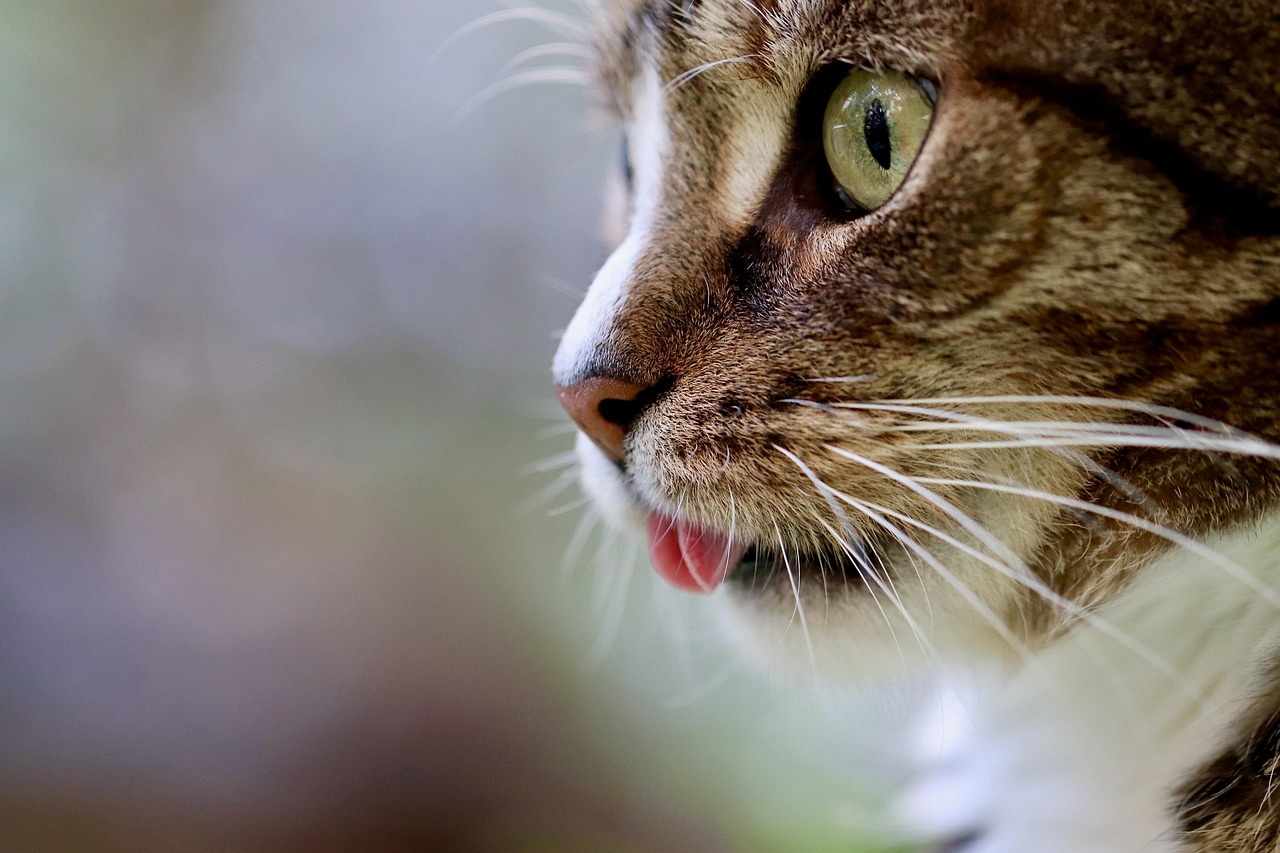

Zinc and Its Impact on Cat Skin and Fur Health
Zinc is an essential trace mineral that plays a crucial role in maintaining the overall health of cats. Just like any other nutrient, zinc is vital for a cat’s immune system, skin, and fur health. When it comes to the coat of our feline friends, zinc deficiency can lead to issues such as dermatitis, hair loss, and generally poor coat quality. Therefore, ensuring your cat receives adequate zinc can dramatically improve these aspects. Zinc is found abundantly in animal-based proteins, making it easier for cats who primarily eat meat-based diets to obtain sufficient amounts. However, certain factors such as age, health issues, or dietary restrictions can lead to deficiencies. In this context, understanding how zinc impacts skin and fur health is vital. Not only can the right amount of zinc support a stronger immune system, but it can also contribute to a shinier, healthier coat. Consulting with your veterinarian about adding zinc supplements to your cat’s diet could be beneficial, especially if they exhibit any signs of deficiency.
Observing the signs of zinc deficiency in cats is essential for their overall well-being. Cats showing symptoms such as dry or flaky skin, slow-healing wounds, or a lackluster coat may need increased zinc intake. Other symptoms can include inflammation, loss of appetite, and lethargy. When these signs appear, it’s crucial to consult a veterinarian for proper diagnosis and treatment options. Sometimes, it may be a straightforward dietary problem where your cat isn’t getting nutrients from their current food. Apart from supplements, you may need to consider dietary adjustments that enhance overall nutrient absorption. It’s also essential to realize that improper zinc intake can lead to toxicity, adversely affecting health. Following a veterinarian’s guidance for safe supplementation can prevent any potential complications. Cats typically need small amounts of zinc, making it vital to maintain a balance. Zinc aids in skin cell function and repair, meaning a lack of it can lead to poor healing of any skin-related issues. Therefore, understanding your cat’s specific needs can significantly impact their skin and coat health.
How Zinc Supports Cat Immune Function
Zinc plays a key role in bolstering the immune system of cats, which is particularly important for their overall health and longevity. The immune system fights off infections and diseases, so ensuring that your cat has access to sufficient zinc can dramatically enhance their general well-being. A healthy immune system contributes to better skin health as well. Zinc is involved in the production and maturation of immune cells such as macrophages and lymphocytes, which help in defending against pathogens. Cats with a robust immune function are less likely to suffer from skin issues caused by fungal or bacterial infections. An adequate supply of zinc can help your cat’s body produce antibodies that target infectious agents, thus providing immediate responses to threats that may affect skin health. When combined with a balanced diet filled with quality proteins and other nutrients, zinc supplements can create a strong defense mechanism. It’s advisable to choose zinc supplements specifically formulated for cats since human supplements may not be safe for them. Monitoring your cat’s health during supplementation is crucial for achieving optimal results.
Dietary sources of zinc that are particularly beneficial for cats include meat, fish, poultry, and eggs. These natural sources not only provide zinc but also contribute to a balanced intake of other essential nutrients. However, some commercial cat foods may lack adequate zinc levels depending on the formulation, which is why supplementation can be a wise choice. Always choose high-quality food options that list meat as the primary ingredient to help maximize nutrient content effectively. It’s important to consult with your veterinarian before making any dietary changes to ensure your cat’s specific needs are met. Over time, a carefully planned diet incorporating proper zinc levels can lead to positive changes in your cat’s skin and coat. Such results may include improved fur texture, increased shininess, and reduced irritation or scratching. Regular veterinary visits can help determine whether your cat’s diet provides adequate zinc or if supplements are necessary. Additionally, keeping track of your cat’s overall health can aid in identifying changes that might require nutritional adjustments.
Signs of Healthy Skin and Fur
A cat with healthy skin and fur should exhibit certain clear signs that indicate good nutritional status, including adequate zinc intake. One of the primary indicators is a shiny and smooth coat, free from flakes or bald patches. Healthy skin should feel supple and elastic, devoid of dryness or irritation. When you pet your cat, their fur should not fall out excessively, and any signs of scratching should be minimal. Also, pay attention to your cat’s behavior; a more active and playful cat often indicates a well-balanced diet coupled with good zinc levels. Any lingering issues with skin or fur can suggest dietary deficiencies, calling for further evaluation. Regular grooming can also help in keeping your cat’s coat in good shape while allowing you to monitor the condition of their skin. Always look for consistency in your cat’s shedding patterns, as excessive shedding may point towards potential problems. By maintaining a focus on nutrition, particularly the importance of zinc, you can significantly impact your cat’s overall health and well-being.
Supplementing a cat’s diet with zinc can come in multiple forms, including capsules, chews, and liquids, allowing flexibility in how they receive this essential mineral. The method of supplementation should be based on your cat’s preferences and ease of administration. Some cats may take powdered supplements mixed in food, while others might prefer tasty chewable options. Consulting with your veterinarian can provide insight into the best method for your cat’s individual needs, ensuring they get adequate zinc without stress. It’s crucial to monitor how well your cat accepts the supplement, especially if it’s new to their diet. Over time, you should be able to recognize improvements in your cat’s skin condition and overall energy. ZInc supplementation can aid in forming collagen, a fundamental protein important for skin elasticity and structure. Such bodily functions lead to a great-looking coat and healthy skin. Long-term supplementation, guided by professional advice, can enhance these benefits while supporting an overall healthier cat.
Conclusion on Zinc and Cat Health
In conclusion, zinc plays a significant role in promoting skin and fur health in cats. By providing adequate zinc levels through food or supplements, pet owners can help prevent a variety of skin-related issues. The mineral’s benefits extend beyond the surface, contributing to a stronger immune system and promoting faster healing. Understanding the importance of this trace mineral in your cat’s diet is crucial for their longevity and quality of life. Consult your veterinarian for personalized advice on dosing and dietary adjustments that ensure your furry friend stays happy and healthy. Signs of adequate zinc levels include a shiny, vibrant coat and minimal skin irritations or infections. It’s also vital to note that every cat is unique, and their nutritional needs may vary. With a proper understanding of zinc and its impact on health, along with careful monitoring, pet owners can assure their cats a healthier life. Make sure to prioritize your cat’s nutritional intake to achieve the best possible outcomes. Regular check-ups will extend a cat’s health and longevity significantly.
For more in-depth information about cat nutrition and health, check out resources like PetMD or ASPCA. These sites offer insights from experts on ensuring that your cats receive the right nutrients for their well-being. In summary, zinc is a vital nutrient for skin and fur health, requiring attention to dietary needs and possibly supplementation. Your cat’s health is a reflection of what you feed them, reinforcing the importance of proper nutrient intake. For specific questions, always engage with your veterinarian to ensure the best practices in caring for your furry companions.