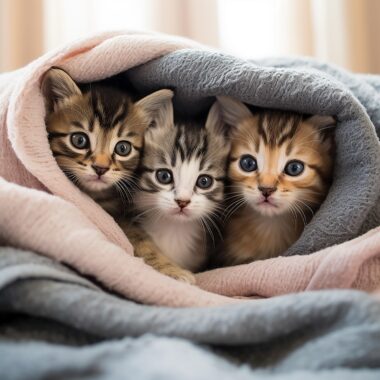

Creating a Safe Space to Encourage Cat Socialization
Creating a safe space for your cat involves more than just a physical area; it requires an understanding of feline behavior. Cats are solitary by nature, but they can thrive in social environments if they feel secure. Begin by designating a quiet room where your cat can retreat when overwhelmed. Essential items include a comfortable bed, scratching posts, and secure hiding spots. Avoid placing food and litter boxes too close together to maintain hygiene. Enrich your cat’s environment with toys and engage in playtime regularly to help bridge social gaps. Gradually introduce new elements or humans to their space, allowing your feline companion to adjust at their own pace. Observe their body language closely for signs of stress or curiosity. Implementing gradual exposure to new situations or guests will assist in their acclimatization. Regularly rotating toys ensures they remain stimulating. Embrace patience as a virtue in this journey which fosters both confidence and comfort. Establishing a consistent routine can encourage your cat to explore their surroundings and interact positively.
In addition to a dedicated area, it is prudent to utilize scent as a tool for comfort and familiarity. Utilizing pheromone diffusers can significantly reduce anxiety levels in cats. This calming element mirrors the scents they naturally produce, thus creating an inviting atmosphere. When introducing your cat to a new space, apply a mix of their familiar belongings, such as blankets or toys, to stimulate their sense of safety. Let them explore at their own pace, minimizing sudden introductions to new pets or people. Throughout this process, interactive play becomes a cornerstone of positive interaction. Engage them with feather wands or laser pointers that stimulate their hunting instincts. As they play, gradually incorporate new individuals into their space to ensure they associate these experiences with fun. Each session fosters trust and reduces trepidation. When introducing other pets, keep separations initially, allowing them to sniff each other’s belongings first. This approach can demystify the presence of a new animal without inciting fear. Ultimately, a thoughtfully constructed safe space nurtures confidence and contributes to a well-adjusted, more sociable cat.
The Importance of Routine and Consistency
Routine can greatly affect your cat’s comfort level in a social setting. Committing to regular feeding times, play sessions, and general interaction fosters a manageable structure for your feline. Cats thrive on predictability, as it fosters the feeling of control in their environment. When changes occur, such as moving to a new house or introducing a new pet, it’s vital to maintain a routine as much as possible. By keeping feeding times and play sessions consistent, your cat can navigate their changing environment with more security. Incorporate calm activities close to their safe space, allowing for easy alternation between playtime and relaxation. This transition can aid socialization by allowing your cat to feel secure enough to explore their surroundings without fear. Excessive stimulation can overwhelm your cat, so be cautious about social interactions until they have acclimatized. Socialization isn’t achieved overnight; dedication and patience play essential roles. Positive experiences can build their confidence slowly. Celebrate small victories in their social interactions to reinforce good behavior. Over time, even the shyest of cats can emerge as playful and social companions when granted the proper support and environment.
When fostering social behaviors in your cat, it’s crucial to monitor their reactions closely. Individual responses to socialization varies widely among cats. Some may be naturally inclined to seek interaction, while others prefer solitude. Pay attention to your cat’s body language; signs like flattened ears or a twitching tail indicate discomfort and should prompt you to take a step back. Creating a positive association with socialization occurs over time but can take frequent reinforcement. Use treats or gentle praise to encourage friendly interactions with other pets or people. When introducing your cat to visitors, have treats on hand to reward them for brave behavior. This creates a positive feedback loop, connecting humans with good experiences. Invite calm and understanding friends to visit, prioritizing those that are accustomed to slow introductions. Teach guests to allow the cat to approach them instead of invading their space; this helps reduce anxiety and fosters trust. It’s vital to assess both your cat’s readiness to socialize and human behavior ensuring they remain calm. Establishing these connections fosters social confidence, leading to improved interactions in varied settings over time without force.
Environmental Enrichment Methods
Environmental enrichment is an effective strategy for encouraging socialization in cats. A well-stimulated cat is generally healthier and more willing to engage. Consider incorporating climbing towers, tunnels, and varying textures into your cat’s environment. These elements offer opportunities for exploration and play, turning your cat’s safe space into an adventure. Interactive toys that dispense treats can engage their hunting instincts. As cats manipulate the toy for rewards, they gain confidence, potentially leading to increased sociability. Engaging in regular playtime strengthens the bond between you and your feline. Setting aside dedicated time to spend with your cat strengthens the human-animal bond, allowing them to see you as a trusted companion. This trust fosters a willingness to explore beyond their safe zone. Socialization also benefits from observing their behaviors during play; providing a simple and enjoyable bonding experience enriches their lives. Walk them on a leash within secure spaces or create supervised outdoor setups for exploration while keeping safety a priority. Presenting varied experiences ensures a varied emotional toolkit for handling their world, laying the groundwork for social skills development.Learn more about cat training techniques here.
Keep in mind, not every cat will respond positively to typical socialization strategies. Factors such as age, breed, and past experiences influence behaviors. Kittens typically adapt to social environments far quicker than older cats. Older cats may require more patience and support during transitions into new situations. If your cat exhibits persistent anxiety or fear, consult with a feline behaviorist or veterinarian. They can provide tailored advice and methods to assist with specific issues. Building a solid foundation of trust and understanding takes time; avoid forcing interactions. Instead, offer them choices regarding when and how they engage. Providing positive reinforcement through treats and gentle encouragement can ease the transition, making them more comfortable over time. If initial exposure remains overwhelming, you may need to return to smaller steps. Simple techniques like allowing them to observe other animals from a safe distance can be exceedingly helpful. Crafting experiences that respect your cat’s comfort and ability to opt-in or out reinforces healthy social skills. Consistent care ensures they develop a proactive perspective towards socializing, rather than viewing it as a stressor.
Conclusion: A Journey of Discovery
Helping your cat to become more social is a journey, often requiring time, patience, and dedication. Recognizing that each feline has a unique personality is vital. Embrace gradual progress, celebrating each achievement along the way, no matter how small. Inevitably, there will be ups and downs as your cat learns to navigate their world. Incorporate various techniques tailored for their comfort zone until they find their footing. Consistently encouraging explorative behavior leads to improvements over time. As your cat gains the confidence to socialize, ensure a balance remains; some days might be reserved for rest while others are for play. Creating a safe environment fosters trust and sets the foundation for future interactions. With consistent practice, even timid cats may evolve into engaging and confident companions, ready to explore their worlds. Remember, progress may seem slow but often leads to meaningful transformations. Early adversities can be overcome once companionship is built. Ultimately, every small step towards socialization shapes their experiences, paving the way for a happier, healthier, and more sociable feline family member.