
Dealing with Aggressive Behaviors Through Training
Understanding canine aggression is essential for dog owners to foster a harmonious relationship with their pets. Aggression can manifest in various forms, such as dominance, fear, and territorial behaviors. Recognizing the underlying cause of aggression allows owners to address the issue effectively. First, consult a professional dog trainer or behaviorist who specializes in aggressive dogs. They can provide personalized strategies and insights tailored to your dog’s specific needs. Next, identify the triggers causing aggression. Is it another dog, a person, or a loud noise? Keeping a journal of these incidents can be useful for both you and your trainer. Additional training techniques include desensitization, counter-conditioning, and obedience training. By reinforcing positive behaviors, you can redirect your dog’s focus away from aggressive tendencies. Consistency is crucial during this process, and training sessions should be regular and structured. Ensure to maintain a calm demeanor, as dogs can sense their owner’s emotions. With patience and dedication, it is possible to reduce aggression in dogs, enabling a happier coexistence within the home and community.
Essential Training Techniques
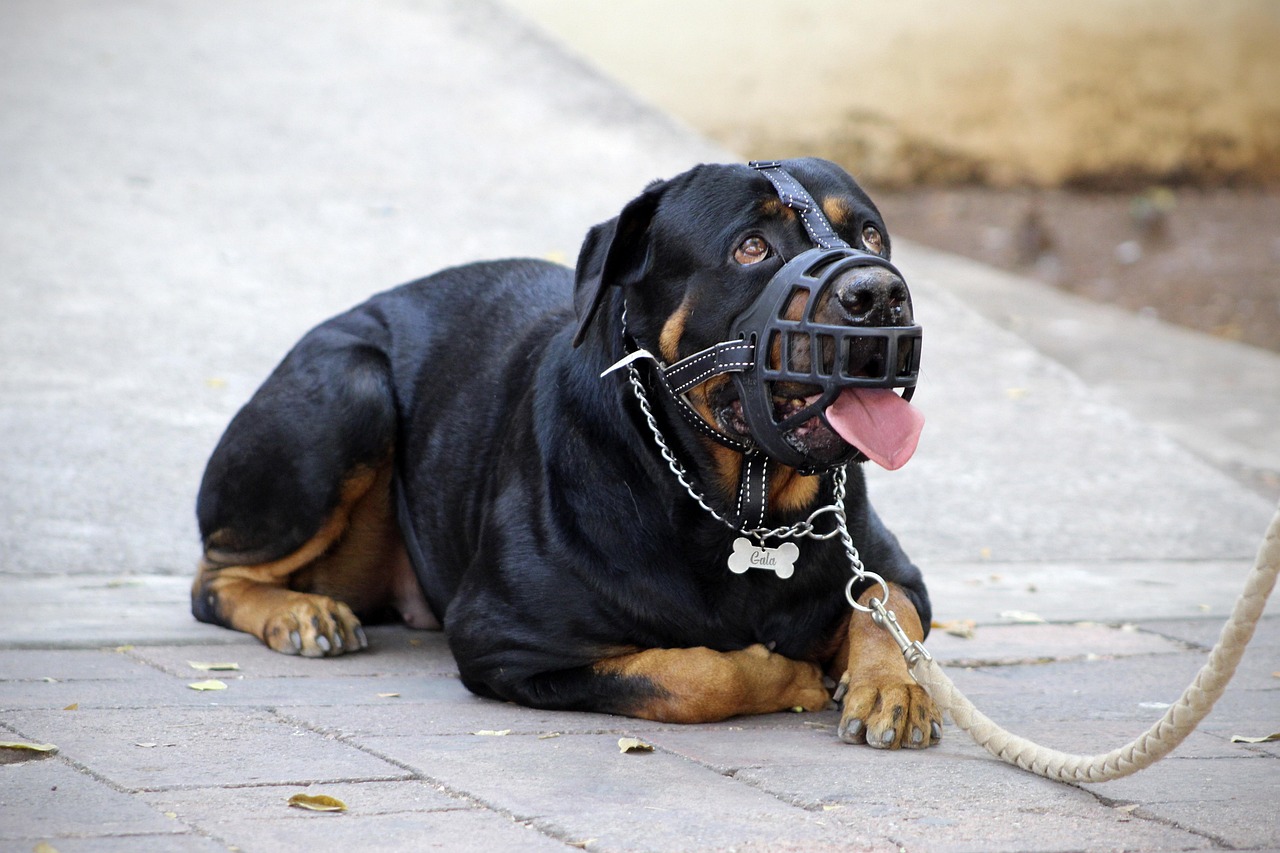
Establishing clear communication with your dog is essential when dealing with aggression. Use consistent verbal and non-verbal cues during training to help your dog understand your expectations. Positive reinforcement is a highly effective method for encouraging desired behaviors. Reward your dog with treats, praise, or play whenever they exhibit calm behavior instead of aggression. Keep training sessions short and engaging to maintain your dog’s attention. Additionally, practice sessions should take place in a controlled environment, gradually introducing new challenges to ensure continued progress. Training should also emphasize the importance of socialization. Exposing your dog to various environments, people, and other animals can help reduce fear-based aggression. Organize regular playdates with well-behaved dogs or enroll in a training class to facilitate interaction. Using tools such as a muzzle during training can also keep both your dog and others safe while behavior modification is in progress. Remember, a habitual routine will establish a sense of security. Emphasizing patience is key, as behavioral changes may take time to manifest. Empower your dog through well-structured training sessions that improve their social skills.
Aggressive behavior can sometimes signal underlying health issues that need to be addressed. Prior to implementing any training regimen, consult with a veterinarian to rule out medical concerns. Conditions such as pain, illness, or neurological disorders can contribute to a dog’s aggressive behavior. If a health problem is discovered, addressing it through treatment may resolve the aggression. Furthermore, ensure your dog is properly vaccinated and spayed or neutered, as these factors can influence aggression in some cases. After confirming your dog’s health, it’s time to review behavioral strategies that will work in conjunction with medical care. For many dogs, creating a safe and secure living environment will help minimize stressors that could trigger aggressive responses. Providing toys, mental stimulation, and a cozy resting space can enhance their overall well-being. Implement “quiet time” in your dog’s routine, encouraging relaxation during stressful moments. As you observe changes, monitor their behavior closely. Connect with a professional for additional resources, such as behavior modification workshops. Consistency is key in training, helping to form better habits and responses. Celebrate small victories along the way to bolster motivation!
Redirecting Aggressive Behaviors
Another technique for managing aggression is redirecting your dog’s focus. When your dog begins to exhibit aggressive behavior, redirect their attention to a toy, treat, or a training command. The goal is to break the aggressive mindset by providing an alternative activity. This approach allows your dog to learn that there are acceptable outlets for their energy and focus. Consistently reward your dog for choosing the redirected behavior over aggression. If your dog becomes aggressive during walks, practice total distraction techniques. Bring treats or favorite toys to shift their focus away from potential triggers. This redirection can also be reinforced through obedience training and enhancing their skills with commands such as “leave it” or “focus.” As you practice these redirection techniques, scenarios may arise that test your patience. It’s essential to remain calm and composed. Address aggression swiftly to prevent it from becoming habitual. Over time, your dog will start to associate positive experiences with situations that previously led to aggression. This shift can foster more positive interactions with people and other dogs.
Proper use of equipment can also play a significant role in managing aggressive behavior. Tools such as harnesses and head halters provide greater control during walks and training sessions. Muzzles may serve as a proactive measure, reducing the risk of bites while your dog learns to modify aggressive tendencies. Selecting the right muzzle is crucial for your dog’s comfort; it should allow your dog to breathe freely and drink water while preventing biting. Always introduce this equipment gradually, using positive reinforcement to create associations with wear. Additionally, leash training is essential. Use a sturdy, non-slip leash that provides a secure grip, as this helps maintain control when encountering potential triggers. Practice loose leash walking combined with obedience commands to build a stronger bond with your dog. Controlling aggressive behavior is a multi-faceted process that requires patience, persistence, and structure. As you implement these strategies, consistently evaluate your dog’s behavior, making adjustments as necessary. Don’t hesitate to seek expert guidance if needed, ensuring safety and peace of mind during this critical training phase.
Building a Long-Term Strategy
Maintaining a long-term training strategy is fundamental for addressing aggressive behaviors. Training should not only be viewed as a temporary solution; instead, it forms a continuous process of improvement and learning. Incorporate regular mental stimulation into your dog’s routine to keep their mind engaged. Activities such as puzzle toys and obedience training sessions can channel your dog’s energy constructively. Consider dedicating specific days for socialization with other dogs or structured play. Creating a comprehensive schedule can provide your dog with a sense of stability and predictability, which can mitigate aggressive tendencies. Additionally, monitor your dog’s mood and behavior closely, observing any changes that may warrant modifications to your approach. Engage with your trainer consistently, discussing progress and setbacks. This collaboration ensures you remain informed about new techniques or adaptations to your training plan. By embracing a flexible mindset, you can continue to find effective solutions tailored to your dog’s unique personality. Above all, celebrate progress regardless of how small, ensuring your dog feels motivated and encouraged through this critical phase of development.
Building a supportive community can also help in managing aggressive behavior. Networking with dog owners who face similar challenges is invaluable. By sharing experiences and solutions, you can discover new techniques that have worked for others. Online forums, local training classes, or community groups can provide resources and solidarity in your journey. Furthermore, educating yourself about canine behavior and training methodologies enhances your ability to address aggression effectively. Attend workshops, read reliable books, or consult with professionals to broaden your knowledge. A well-informed owner is better equipped to understand and respond to their dog’s behavior. Connecting with local veterinarians can also yield insights on common behavioral issues within the community. Veterinary behaviorists can provide personalized guidance tailored to your dog’s needs. Forgotten resources include local shelters, where trainers often offer workshops on dog behavior. These programs can provide additional tools and strategies to refine your training approach. As you work together to navigate challenges, you’ll find that honesty and support often transform the experience. Emphasize collaboration, celebrating the progress made not only for your dog’s sake but as a reminder of the importance of community with others.