
Teaching Your Dog to Respond to Hand Signals in Sport Commands
Hand signals are a vital component in dog training for sports. They provide a non-verbal communication method that enhances your connection with your dog. Understanding how to implement hand signals effectively can lead to a more efficient and enjoyable training process. Start by establishing a comfortable training environment free from distractions, ensuring you and your dog can focus on the commands. It’s essential to be patient as some dogs may require more time to understand various signals. Initially, incorporate clear and distinct signals alongside verbal commands to aid comprehension. As your dog starts to grasp the association, gradually phase out the verbal cues. Consistency in both your signaling and the environment is key. Repetition helps reinforce the connection between the signal and the command your dog should follow. Ensure that your energy and body language align with the signals to bolster understanding. Every positive response should be met with praise, which will motivate and encourage your dog to repeat the behavior. Remember that practice is crucial. Schedule regular training sessions to reinforce hand signals and prevent regression in learned behaviors.
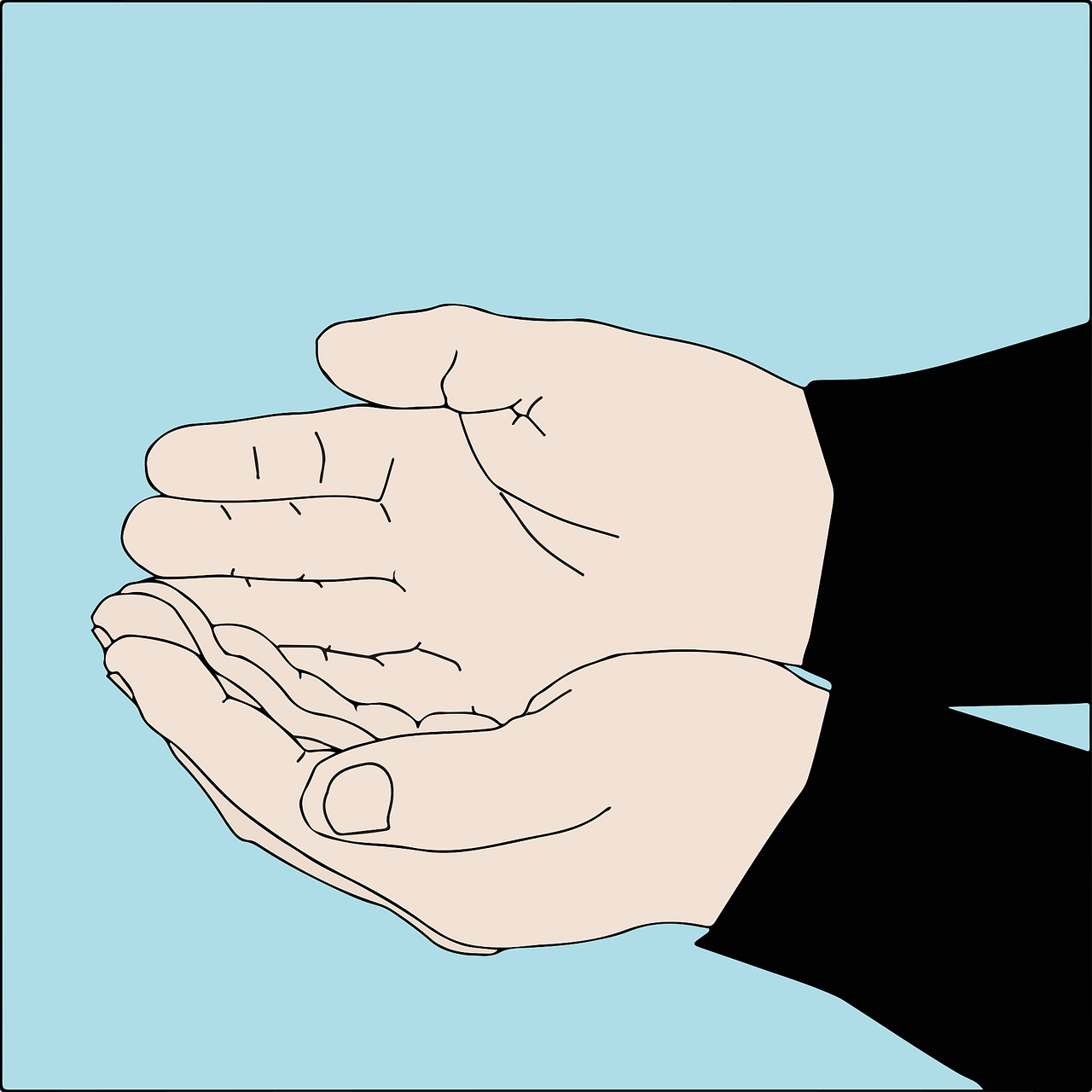
Start with basic commands like sit, stay, and come using hand signals. For the ‘sit’ command, raise your hand with a flat palm towards your dog’s nose. This helps them associate the action with the command’s meaning. Always reward your dog with treats and praise when they respond correctly to the hand signal. As you reinforce the behavior, the dog learns to link the signal with the desired action. Consistency in your commands will lead your dog to react more quickly over time. It’s also important to keep training sessions short, around 5 to 10 minutes, to maintain focus without overwhelming your dog. Gradually increase difficulty by introducing additional signals like ‘down’ and ‘heel’. Always remember to make each session enjoyable, incorporating playtime and social interaction to keep your dog engaged. Utilizing toys or treats while practicing can heighten excitement and drive. Additionally, consider training in various environments to generalize the behavior; this will ensure your dog can follow hand signals regardless of their surroundings. Overall, the focus should be on building a strong bond and a positive learning experience.
Advanced Hand Signals for Complex Commands
As you and your dog become more comfortable with basic signals, introduce more advanced commands like ‘fetch’ or ‘skip.’ For ‘fetch,’ you might use a motion drawing your dog towards the object with an outstretched arm. For ‘skip,’ a sweeping motion to the side or back can be effective. Ensure your dog understands the associated actions by demonstrating them alongside the correct hand signals. Start with low distractions and gradually heighten the difficulty as they learn the movements. Incorporating two or three hand signals linked to one command is useful for competitive sports applications. Revisit previously learned commands occasionally to solidify their responses. Additionally, practice with an experienced training partner or enroll in a class focusing on specialized hand signals. The inclusion of distractions while practicing can also help your dog learn to focus amidst chaos, an invaluable skill for those participating in dog sports. Always monitor your dog’s attitude during sessions. If they seem fatigued, consider ending the session on a positive note to ensure that they remain excited for future training.
When training with hand signals, always emphasize your own body language. Dogs are highly attuned to human movements and can often pick up on cues even before the hand signal is fully given. Utilize different postures, such as crouching to seem less intimidating, which can help create a more inviting atmosphere for the dog to learn. Combine your signals with facial expressions that match the command; a smile can inspire positivity, while a stern expression may communicate seriousness. These nuances lead to better communication, allowing your dog to differentiate between commands effectively. Tracking their progress through practice sessions can help you gauge improvement and identify areas for further development. Encourage family members to interact with the dog using the same hand signals to create cohesion in commands across different environments. Positive reinforcement should never be underestimated; rewarding appropriately during learning ensures that your dog remains eager to obey and please you. As they advance, test their responses in varied locations, like parks or other open spaces. Always strive to keep training sessions positive to maintain the bond and motivation of your dog.
Common Challenges and Solutions in Hand Signal Training
Training with hand signals can indeed present unique challenges. One primary issue dog owners face is their pet’s tendency to look away or become distracted. This might result from external stimuli in the environment, unfamiliar surroundings, or the presence of other animals. To manage this, it is advisable to practice in controlled environments before gradually introducing distractions over time. Additionally, if your dog struggles with specific signals, reevaluate the clarity of the signal itself; consider simplifying or modifying it. Always strive to associate signals with positive experiences, especially when indicating a task they enjoy. If your dog shows signs of frustration during training, take a break to avoid negative associations with the process. Monitoring how your dog interacts with various signals is essential. If a command isn’t producing the expected response, reassess how you’re presenting it. Lastly, maintaining patience and consistency is crucial to overcoming these challenges. Celebrate even small successes to cultivate a positive learning environment where your dog feels confident surrounding the training process.
As your dog gains success in following hand signals, start incorporating them in everyday situations outside of formal training. For instance, use hand signals when playing fetch or during walks. This application in real-life scenarios further reinforces learning by creating a strong association between the signal and the desired behavior. Gradually transition training from select environments to more dynamic spaces, as the varying contexts can improve their responsiveness. Also, consider implementing timed commands once the basics are established. This strategy encourages a quicker response and helps signal the urgency of a command, especially essential in competitive settings. Additionally, socializing your dog during training allows them to learn how to respond to signals around other dogs and people. Identify new opportunities to practice hand signals, ensuring variety and enjoyment. Always remember to continue rewarding your dog for a job well done, strengthening the connection established during training. With perseverance and dedication, you can develop a highly responsive dog that confidently obeys hand signals even amidst distractions.
Conclusion: The Importance of Hand Signals in Dog Sports
Incorporating hand signals into dog training for sports is essential to harness effective communication between you and your dog. The use of hand signals not only enhances communication but also fosters a deeper bond between the dog and handler. As training progresses, paying attention to the subtleties in your interaction will yield positive results. Explore innovative ways to incorporate signals in everyday tasks to establish ongoing communication patterns. It is also crucial to adapt your training methods if you encounter challenges. Flexibility will guide you to better alternatives when your dog isn’t responding as expected. Furthermore, continually assessing and refining your techniques can lead to improvements in your dog’s compliance. Through consistent training practices, positive reinforcement, and engaging interaction, you will see your dog responding effectively to hand signals in various situations. Embrace the journey, recognizing that both dog and handler cultivate their skills over time. Ultimately, building a strong foundation of trust and understanding is the ultimate goal, ensuring your dog remains eager to respond positively throughout your sport-based training adventures.
The road to mastering hand signals requires time, patience, and mutual respect. Always celebrate successes, both big and small, with your dog, as this strengthens your training relationship. Your commitment to this process not only demonstrates discipline but also enriches the bond you share with your pet. Consider keeping a training journal to track progression, challenges, and breakthroughs, providing insight into your dog’s learning journey. This documentation will help you identify effective strategies while also highlighting areas needing improvement. As you explore the breadth of advanced commands and transitions to varied environments, encourage a sense of curiosity. Dog training can be immensely rewarding when approached collaboratively, where playfulness merges with learning. Always prioritize fun amidst education; this perspective will ensure a happy and responsive training partner. Above all, remember why you initially sought to employ hand signals: to foster a cohesive, enjoyable relationship built on understanding and trust. Hand signals can indeed transform your dog’s responsiveness and make your shared experiences even more enriching. Nurture this skillset; let it flourish with practiced refinement in the realm of sports and beyond.