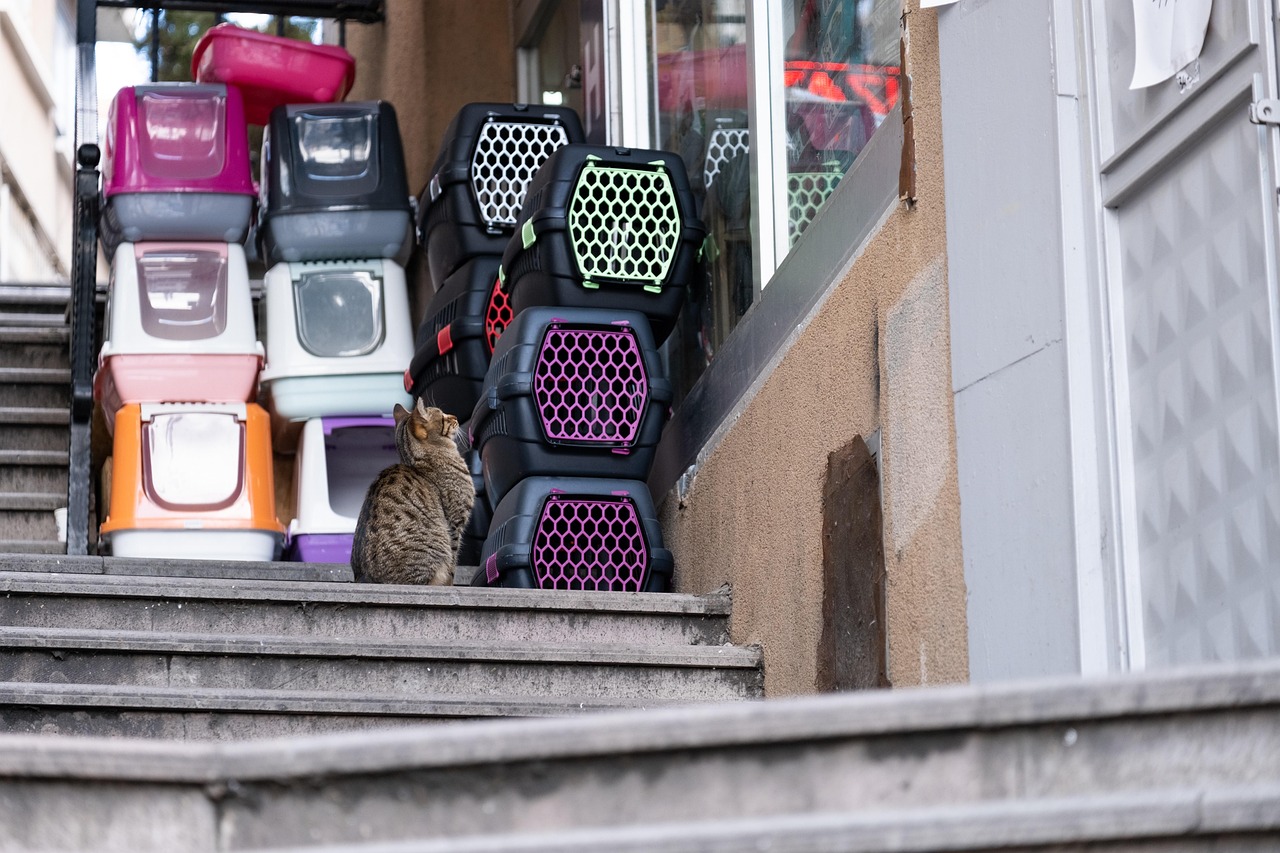

Techniques to Command Cats to Settle in Their Carriers
Transporting your feline companion can be a daunting task, especially when they resist entering their carriers. To ease this process, establishing a strong and positive association with the carrier is crucial. Here are a few effective techniques: firstly, always keep the carrier open in your home, allowing your cat to explore it freely. This familiarity builds comfort. Secondly, place soft bedding or familiar toys inside the carrier; this creates a cozy space they are more inclined to enter. Additionally, treat them only for entering, conditioning them to view their carrier as a positive space. If your pet is hesitant, consider using calming pheromones or sprays, which can reduce anxiety. Finally, never force your cat into the carrier, as this can breed fear and resistance. Instead, gradually introduce them, allowing them to investigate at their own pace. Over time, these techniques can help create a seamless travel experience, making trips to the vet less stressful and more manageable for both you and your beloved pet.
Another significant aspect to consider is the timing of travel preparation. When prompting your cat to settle in their carrier, approach this task with patience, ensuring you allow adequate time before departure. Avoid last-minute rushes that can lead to stress for both you and your cat. Ideally, begin the acclimation process several days in advance, giving your feline ample opportunity to adjust to the carrier’s presence. It’s also beneficial to schedule short trips initially, gradually increasing the duration. This way, your cat will develop confidence during the travel routine, associating the carrier with pleasant experiences. If they successfully navigate shorter trips, they’ll be more inclined to comply during longer journeys. Another technique includes utilizing their favorite toys or treats, enticing them into the carrier rather than forcing them inside. Positive reinforcement is key; the more enjoyable the experience, the more likely they will cooperate. Finally, try soothing verbal cues to reassure your cat and create a calm atmosphere. Remember, consistency is vital, and over time these techniques will foster positive associations and make transporting your cat enjoyable.
Creating a positive environment in and around the carrier is essential for helping your cat feel relaxed while traveling. A well-ventilated carrier can help maintain an easy atmosphere, supporting comfort while they’re inside. Consider incorporating calming elements, like a soft blanket or an item with your scent, which can offer reassurance to your feline. In addition, try mimicking the ambiance of your home by playing soft music or using white noise devices to soothe them during travel. Position the carrier securely in your vehicle, avoiding excessive movements that can startle or stress your pet. If possible, let your cat travel with a familiar companion, whether another friendly pet or a human. These familiar faces can boost their confidence and make traveling less intimidating. It’s also wise to avoid feeding your cat immediately before transport, as this can lead to nausea. By carefully crafting the travel environment, you can create a space where your cat starts to associate their carrier with comfort and security, which is vital for easier travel experiences in the future.
Implementing Positive Reinforcement Techniques
Positive reinforcement is vital when teaching your cat to settle in their carrier. Cats are creatures of habit and often respond well to rewards. Start by rewarding your cat anytime they approach or explore the carrier. Use treats, praise, or their favorite toy as motivation. Every instance of curiosity leads to reinforcement, creating a positive connection with the carrier. Gradually encourage them to step inside by placing enticing treats just inside the opening. Always make sure you use their favorite snacks, increasing the chances of them moving further into the carrier. Once they enter the carrier entirely, give generous praise and more treats. Ensure that this process remains gradual; avoid any abrupt movements that could frighten them. If your cat appears anxious, offer them a break and try again later. Consistency is essential; repeat this exercise frequently so that your cat learns that settling in the carrier leads to enjoyable outcomes. Over time, your efforts in providing consistent rewards will help your cat feel comfortable and calm in their carrier, easing travel transitions significantly.
Some cats might benefit from additional support mechanisms to ease their anxiety while being transported. Consider employing calming products designed specifically for pets, such as anxiety wraps or calming collars. These items can provide gentle pressure, which may comfort some cats during stressful travel. Aromatherapy, using calming essential oils designed for felines or sprays with pheromones, can also be useful. These products help create a serene environment while in transit. Additionally, some owners have found success with herbal remedies or supplements that promote relaxation before travel trips. Always consult with your veterinarian before introducing new products or medications to ensure they’re appropriate for your cat. Experimenting with various calming techniques will support your cat’s comfort and may transform their attitude towards the carrier and travel. Ultimately, the right combination of strategies can turn any negative feelings of anxiety into a positive experience for your cat. Observing your cat’s responses will provide insight into what works best for them, and these adjustments can contribute positively to your travel adventures.
Maintaining Your Cat’s Comfort During Travel
Once your feline has settled in the carrier, ensuring their ongoing comfort during your trip is equally crucial. Start by maintaining a comfortable temperature in your vehicle. It’s essential to keep them from overhearing or becoming too cold during transit. Be proactive in planning breaks if you are on a longer journey; offer them a chance to stretch and use the litter box if necessary. Staying attentive to your cat’s needs will minimize anxiety levels. Regularly check in on your pet during the journey, speaking soothingly to reassure them and to maintain a calm environment. During stops, avoid leaving your cat unattended inside the vehicle, as vehicles can heat up rapidly. If the journey spans long hours, consider using a non-spill water dish, ensuring your cat stays hydrated. After arrival, allow your cat time to acclimate, initially keeping their carrier in a familiar space before setting them loose. Your diligence in catering to their needs and comfort will play a significant role in creating easily manageable travel experiences.
Lastly, remember that each cat is unique and may react differently to travel and carriers. Observing your cat’s behavior and adjusting your techniques accordingly can improve the overall experience. Patience is paramount. If some methods do not yield the desired results, seek alternative strategies tailored to your pet’s specific needs. Consistent and affectionate interaction helps build trust and comfort over time. Pay attention to your cat’s body language to identify any signs of stress so that you can promptly address their concerns. Establishing a routine for travels, associating positive experiences with outings, and maintaining a calm demeanor yourself can also significantly impact their comfort level. The journey to help your cat accept their carrier may take time, but with dedication and love, positive outcomes are achievable. Ultimately, successful travel hinges on your understanding of their needs, thereby minimizing anxiety. By utilizing these strategies, you will be well equipped to facilitate smoother journeys, transforming your cat’s attitude towards carriers and travel into something more positive for both you and your furry friend.
In conclusion, equipping your feline for traveling entails understanding their needs and creating a non-threatening environment that works for them. The right techniques can foster a sense of security that transforms their interactions with the carrier. By cultivating positive associations, utilizing rewards, and ensuring an accommodating atmosphere, your cat can adapt more easily to travel routines. Remember to implement gradual adjustments, monitoring their reactions carefully, and incorporating supportive mechanisms to help alleviate anxiety. Individualized approach works best, respecting your pet’s comfort and readiness levels. Consistency, kindness, and patience will significantly contribute to easing their transition every time you hit the road with your cat. You may even discover that a previous anxiety-riddled experience can turn into a pleasant outing over time with dedication. There is much joy to be found in sharing travel moments with your pet, so embrace the journey ahead. Make sure to maintain a strong bond, reinforcing good behaviors and addressing potential fears. With strategic preparation and gentle introduction to their carrier, you can positively redefine how your furry friend perceives traveling, expanding their horizons and yours.