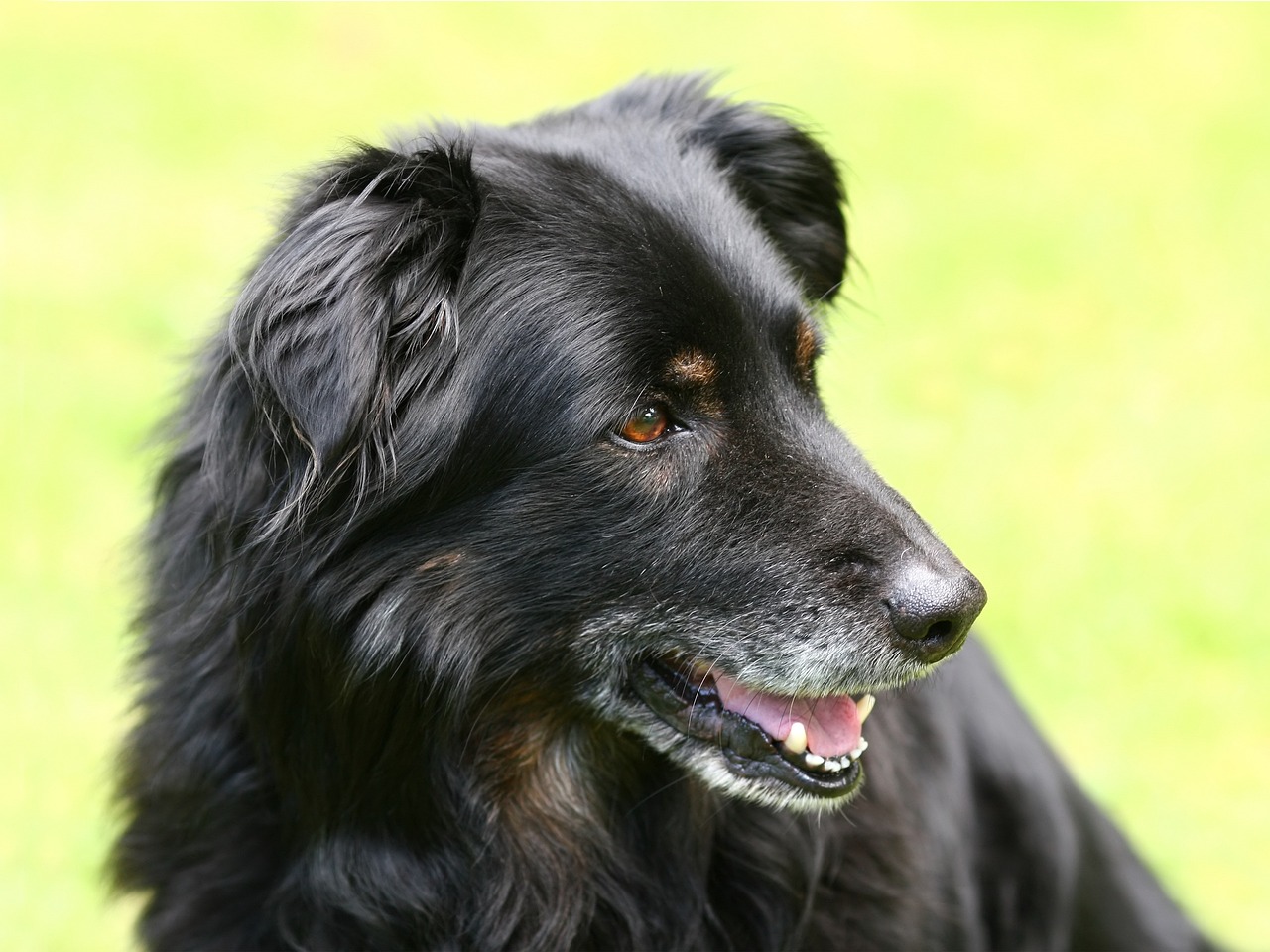

The Benefits of Omega-3 Fatty Acids for Senior Dogs
As dogs age, their nutritional needs evolve, influencing their health and well-being significantly. One essential supplement gaining attention among pet owners is Omega-3 fatty acids. These healthy fats can promote overall senior health, focusing on joint, heart, and cognitive functions. Research indicates that the inclusion of Omega-3s can help alleviate inflammation in older dogs, providing them with a better quality of life. Furthermore, these fatty acids support skin and coat health, which can deteriorate as pets age. By improving the condition of their skin and fur, Omega-3s help maintain a shiny coat and reduce dryness. Senior dogs are also more prone to cognitive decline and mental issues; Omega-3s are known to support brain health and cognitive function. Pet owners should consult with their veterinarians about the appropriate level of Omega-3 supplementation. Ensuring your senior dog receives these nutrients can pave the way for a healthier and happier life. A dedicated diet, pairing these beneficial fats with a balanced nutrition plan, can optimize their health in their golden years.
Incorporating Omega-3 fatty acids into a senior dog’s diet can notably enhance joint health. Many older dogs struggle with arthritis and other degenerative joint conditions, leading to discomfort and reduced mobility. Omega-3 fatty acids have natural anti-inflammatory properties that can help alleviate pain associated with these conditions. As a result, many dog owners report improvements in their pets’ activity levels, allowing them to engage in more playful and lively behaviors. There are various sources of Omega-3s available, ensuring that dog parents can find suitable options. Fish oil is the most common supplement; however, options like flaxseed oil and algae oil are excellent alternatives for dogs with allergies to fish. These supplements can be easily mixed with regular dog food, making it a seamless addition. Additionally, pet owners might consider choosing dog food specifically formulated with Omega-3s. It is crucial to consult with a veterinarian to determine the best supplementation plan, tailored to the dog’s specific needs. Ultimately, ensuring your senior dog receives adequate Omega-3 fatty acids may significantly improve their mobility and overall health, enhancing their quality of life as they age.
Heart Health and Omega-3s
Older dogs are particularly susceptible to heart disease, making it imperative to focus on their cardiovascular health. Omega-3 fatty acids play a vital role in maintaining a healthy heart and circulatory system in pets. Research supports that these healthy fats help lower triglyceride levels, reducing the risk of heart-related issues. Furthermore, Omega-3s are known to support normal heart rhythm and improve the overall function of the heart. As heart health deteriorates, senior dogs may face increased lethargy or fatigue, leading to a decline in their quality of life. By including Omega-3 supplements in their diet, dog owners may help combat these risks, promoting a healthier heart. Omega-3s also possess anti-inflammatory properties, potentially reducing inflammation throughout the body, specifically in the cardiovascular system. Pet parents can select high-quality fish oils, such as those derived from salmon, to ensure a potent source of Omega-3s. As always, discussing supplementation with a veterinarian ensures a customized approach and helps avoid any potential interactions with existing medications. Regularly monitoring your dog’s heart health, in conjunction with Omega-3 supplementation, can contribute to their longevity and well-being.
Cognitive function is another area where Omega-3 fatty acids exhibit impressive benefits. Senior dogs often experience cognitive decline, which can lead to confusion, disorientation, and behavior changes. Research indicates that Omega-3s, particularly DHA, play a significant role in maintaining cognitive health. DHA supports neuronal function and can aid in preserving memory and learning capacity. By regularly incorporating Omega-3s into their diet, dog owners may slow the progression of cognitive decline and help maintain their pets’ quality of life. Many pet owners notice visible improvements in their seniors’ attentiveness and behavioral responses after introducing Omega-3 supplements. Additionally, several studies have indicated that Omega-3 supplementation can alleviate symptoms of anxiety and stress-related disorders in aging dogs, fostering a calmer demeanor. Keeping your senior dog mentally sharp and engaged is crucial for their emotional health. Regular physical exercise and brain games, combined with nutritional support, create a comprehensive care plan for senior dogs. Ensuring an appropriate level of Omega-3s in their diet can significantly enhance their cognitive functions, helping them navigate their golden years with grace.
Skin and Coat Health
As dogs age, their skin and coat often show signs of wear and tear. Dry, flaky skin and dull coats can become prevalent issues for senior dogs, causing discomfort and potential health problems. Incorporating Omega-3 fatty acids into their diet can greatly improve skin and coat health. These healthy fats effectively nourish the skin from the inside out, promoting hydration and elasticity. Many pets plagued with dry skin find relief through Omega-3 supplementation, which works to soothe irritation and support a healthier skin barrier. Additionally, Omega-3s contribute to a shiny and lustrous coat, improving a dog’s overall appearance. Consider selecting pet foods enriched with Omega-3s or consulting your vet about appropriate fish oil supplements to ensure your senior dog receives these vital nutrients. Regular grooming also helps distribute natural oils throughout the coat, enhancing its sheen. For dogs with allergies, Omega-3 supplementation may prove even more crucial, alleviating skin irritations and reducing scratching. By prioritizing skin and coat health, dog owners can improve their pet’s comfort and confidence during their senior years, ensuring they feel their best every day.
Hydration is essential, especially for senior dogs who might be prone to kidney issues. Ensuring your aging dog stays adequately hydrated is vital for their overall health and well-being. A well-hydrated dog is less likely to develop complications related to urinary tract infections or kidney disease. Omega-3 fatty acids can indirectly promote hydration, especially when combined with a balanced diet rich in moisture. For example, incorporating wet food or homemade meals, enriched with Omega-3s can contribute to better hydration levels. This is especially important for senior dogs, as they may not actively seek water, leading to dehydration. Providing fresh water at all times and encouraging regular fluid intake is crucial. Consider investing in a pet water fountain, which can entice dogs to drink more due to the sound of flowing water. Monitoring your dog’s hydration levels should be a priority for pet owners, and adequate intake can lead to improved vitality and energy. Prioritizing hydration alongside a nutritious diet, including Omega-3 supplementation, can create a holistic approach to senior dog care, laying the foundation for longevity and health in their golden years.
Consulting with a Veterinarian
When considering dietary changes for your senior dog, especially regarding Omega-3 fatty acids, consulting with a veterinarian is vital. Each dog has unique health needs and conditions, and personalized recommendations will provide the best outcomes. A veterinarian can assess your dog’s current health status, dietary habits, and any underlying medical issues impacting their nutrition. By performing routine health check-ups, a vet can detect any potential deficiencies or concerns related to aging. Your vet may recommend specific types of Omega-3 supplements, tailored to your dog’s weight and breed. They can guide the proper dosage and administration methods to ensure maximum absorption and effectiveness. Additionally, regular vet visits can help track any changes in your dog’s overall health, allowing timely adjustments to their nutrition plan. As a dedicated pet owner, staying proactive in managing your senior dog’s health warrants prioritizing discussions with veterinary professionals. They can also provide dietary alternatives or recommendations for food and treats catering specifically to senior dogs. Ultimately, the synergy between proper nutrition and veterinary care can lead to happier, healthier aging for your beloved canine companion.
In summary, incorporating Omega-3 fatty acids into your senior dog’s diet can create numerous health benefits. From improved joint and heart health to enhanced cognitive function and skin care, these essential fats play a vital role in a senior dog’s overall well-being. By addressing the specific needs of aging pets, dog owners can provide nutritional support that grows with them. The importance of consulting with a veterinarian cannot be overstated, as they can help tailor a proper supplementation plan. Pet owners should choose high-quality sources of Omega-3s, ensuring their beloved companions receive optimal nutrition. A holistic approach, including hydration, balanced nutrition, and veterinary care, creates a strong foundation for a long, happy life for senior dogs. Monitoring your pet’s behavior, energy levels, and coat condition can provide insights into their health. Pet owners should remain vigilant about any changes, allowing for timely interventions for their furry friends. Omega-3 fatty acids can significantly enhance the golden years for dogs, promoting vitality and joy in their twilight years. A commitment to excellent senior dog care will ensure your beloved pet enjoys life to the fullest in their later years.