
The Impact of Grooming Mistakes on Your Cat’s Behavior
Grooming is an essential part of caring for your cat, yet many pet owners make critical mistakes that can negatively affect their feline companions. Understanding these grooming errors is vital in fostering a positive relationship with your cat. Common mistakes include improper handling techniques, inadequate brushing, or neglecting nail care. Failure to brush your cat regularly can lead to painful mats and tangles that stress your feline. These tangles can cause discomfort and prompt aggressive behavior in some cats. Also, using the wrong grooming tools can create even more issues, as certain brushes may irritate your cat’s skin. Additionally, cutting nails incorrectly can hurt and frighten your pet, making them reluctant to undergo grooming again. It’s also crucial not to bathe your cat too frequently, as it can strip the natural oils that keep their coat healthy. By identifying and avoiding these common pitfalls, you’re taking steps towards creating a more harmonious grooming experience for both you and your pet. Ultimately, proper grooming not only maintains your cat’s hygiene but also contributes positively to their overall behavior and wellbeing.
One significant grooming mistake people often make is not getting their cat used to the process from a young age. Early exposure to grooming and handling can make a significant difference in a cat’s behavioral response. When owners begin grooming their kittens when they’re still young, these cats tend to have fewer anxieties about grooming as adults. Creating a routine that includes gentle brushing and handling helps cats feel more relaxed during the process. Furthermore, positive reinforcement in the form of treats can promote a calming environment. It’s also important to choose the right time for grooming. Cats can be sensitive to changes in their environment, so it’s best to groom them when they are calm and relaxed, such as after a meal or playtime. Stressful handling during the grooming process can lead to negative experiences and fear. Over time, a properly groomed cat will likely exhibit improved behavior, making your grooming sessions smoother and more enjoyable. Keep these considerations in mind to ensure that your cat can develop a positive association with grooming throughout their life.
Understanding Cat Behavior
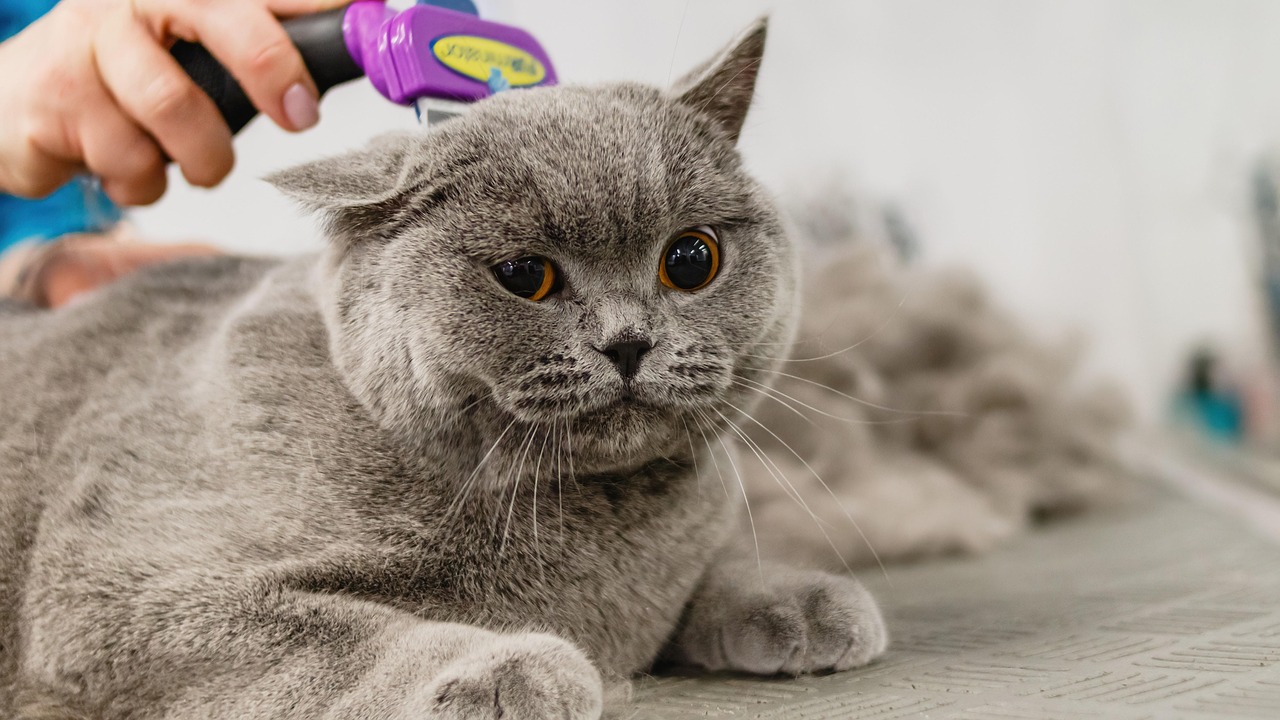
Grooming mistakes can have lasting effects on your cat’s behavior. Cats are creatures of habit, and when they experience improper grooming, negative behaviors can emerge. Signs of distress often include hiding, scratching, or even biting. Understanding your cat’s body language is crucial in determining their comfort level during grooming. If your cat is flattening their ears, swatting, or hissing, it’s a clear signal that they are unhappy with the grooming method or tool being used. These reactions not only indicate discomfort but can lead to long-term behavioral issues, making future grooming sessions even more difficult. Regular grooming, performed properly, can prevent the development of anxiety and aggression towards both grooming and handling. Be attentive to your cat’s cues and adapt your techniques accordingly. Providing a safe, calming space for grooming can reduce anxiety for many cats. Furthermore, integrating play and relaxation activities prior to grooming can enhance their comfort and reduce stress. By recognizing how grooming affects behavior, cat owners can create a positive grooming routine that fosters trust and reduces fear in their pets.
Another common mistake is neglecting to check your cat’s skin for irritations and conditions. Grooming presents an excellent opportunity for owners to check for any signs of skin issues, such as dryness, redness, or parasites. Passing over these checks can lead to further complications, affecting not only your cat’s comfort but also their overall health. Dermatitis or flea infestations can stem from insufficient grooming practices. If a cat feels pain or irritation, it may react defensively during grooming, displaying behaviors like biting or scratching. Regularly taking time to inspect your cat’s skin while grooming can help identify potential health problems early. Using appropriate tools, such as flexible grooming gloves, can make this process more comfortable for your cat. If you find unusual spots or signs of irritation, consulting a veterinarian is essential. An informed pet owner will recognize when to seek professional advice. By staying vigilant and attentive during grooming sessions, you not only enhance your cat’s grooming experience but also contribute significantly to their health and happiness over time.
The Role of Professional Grooming
Sometimes, pet owners choose to rely heavily on professional grooming services, which can be beneficial. However, it’s essential not to overlook at-home grooming as a bond-building exercise. While professional groomers possess skills and training to handle cats with ease, neglecting to groom at home can diminish the trust your cat has in you. Spending time grooming your cat helps strengthen your relationship, ensuring they feel comfortable and secure in your presence. Many cats develop attachment through regular grooming rituals, associating them with positive interactions. However, it’s crucial to select a reputable groomer, one who is experienced with cats and understands their unique behaviors. A poor experience with a bad groomer may leave your cat scared of future grooming altogether. Engaging with your cat regularly at home can complement professional services, allowing your pet to remain familiar with the grooming process. Choose a groomer who uses gentle techniques and takes the time to understand your cat’s specific needs and reactions. Creating a collaborative grooming routine can enhance both your felines’ trust and emotional wellbeing.
Understanding products used during grooming is also vital in mitigating mistakes. Using inappropriate shampoos, sprays, or conditioners can irritate your cat’s skin and coat, leading to significant discomfort. Many cats are sensitive to certain chemicals that are often found in grooming products. Opting for hypoallergenic or natural grooming supplies is a safer choice, and always test products before applying them to their entire coat. Consider looking for environmentally friendly brands known for gentle formulas. Carefully reading labels can help you avoid harmful ingredients that may cause allergic reactions or rashes. Additionally, investing in quality brushes and tools specifically designed for your breed can improve your grooming process. Choosing tools that match your cat’s fur type—whether short-haired or long-haired—ensures that they get the best grooming experience. Cats often respond far better to gentle, effective tools that enhance their comfort while minimizing their distress. Making informed choices about grooming products can significantly impact your cat’s behavior and wellbeing.
Long-Term Effects of Grooming Errors
Grooming errors can have long-term consequences on your relationship with your cat. Trust is an essential foundation in any human-animal relationship, and repeated negative experiences can erode this bond. Cats who associate grooming with pain or discomfort may develop avoidance strategies, such as hiding or aggressive behavior. Over time, unwillingness to participate in the grooming process can lead to neglect of their coat, resulting in health complications like matting and skin allergies. These issues can create a vicious cycle that further distances your cat from you. Moreover, a cat that feels frightened or uncomfortable during grooming may start to generalize these feelings to other aspects of their care, leading to reluctance for vet visits or simply being handled. Understanding the impact of grooming on your pet’s behavior encourages better practices for a healthier, happier cat. Pet owners should remember that grooming is not just a chore, but an opportunity to bond with their feline companion. By being aware and proactive in avoiding common grooming mistakes, you create a more loving environment for your cat, ensuring it feels safe and cared for.
Conclusion
The importance of grooming cannot be understated when it comes to your cat’s wellbeing. Avoiding common mistakes not only enhances the grooming experience but also deepens the bond between you and your pet. Cat grooming involves more than just cleaning fur; it plays a crucial role in their emotional and physical health. By being vigilant and adaptable, cat owners can create a stress-free environment during grooming sessions. Make it a point to educate yourself on proper grooming techniques, use safe products, and remain mindful of your cat’s comfort levels. The knowledge and awareness of the grooming process can significantly improve behavior and reduce fear, leading to a happier cat overall. Building a positive experience around grooming will allow your cat to grow to love these sessions, rather than fearing them. Commitment to proper grooming practices while remaining attuned to your cat’s needs fosters long-term trust. In the end, a happy cat is a well-groomed cat. Taking time to ensure enjoyable grooming processes pays off in the long run, resulting in a flourishing relationship with your beloved pet.