
The Relationship Between Grooming and Cat Health
Understanding the grooming behavior of cats is essential for promoting their overall health. Grooming plays a crucial role in maintaining the skin and coat quality of felines. When cats groom themselves regularly, they help remove loose fur, dirt, and debris. This activity reduces the likelihood of matting, which can lead to skin problems. Additionally, grooming serves as a bonding activity for cats, often observed during interactions between cats grooming each other. This behavior reinforces social structures and enhances their emotional well-being. Moreover, an increase in grooming may indicate stress or anxiety, prompting owners to monitor their cat’s behavior closely. It’s important to consider environmental factors, as changes such as moving or the introduction of a new pet can trigger excessive grooming. Signs of over-grooming or the presence of bald patches should prompt a visit to the veterinarian, as they can signal underlying health issues. Every owner must encourage regular grooming practices. This not only improves physical health but also strengthens the bond between the cat and its human companion, making for a happier and healthier pet overall.
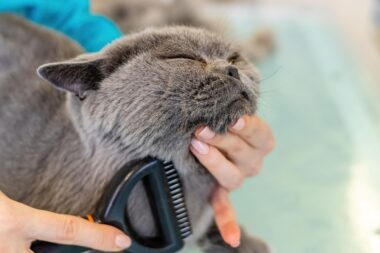
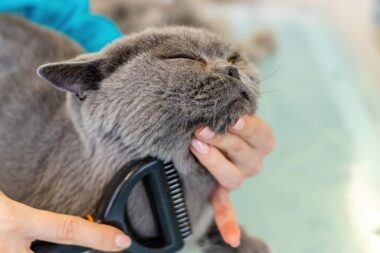
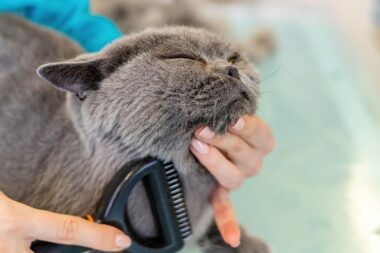
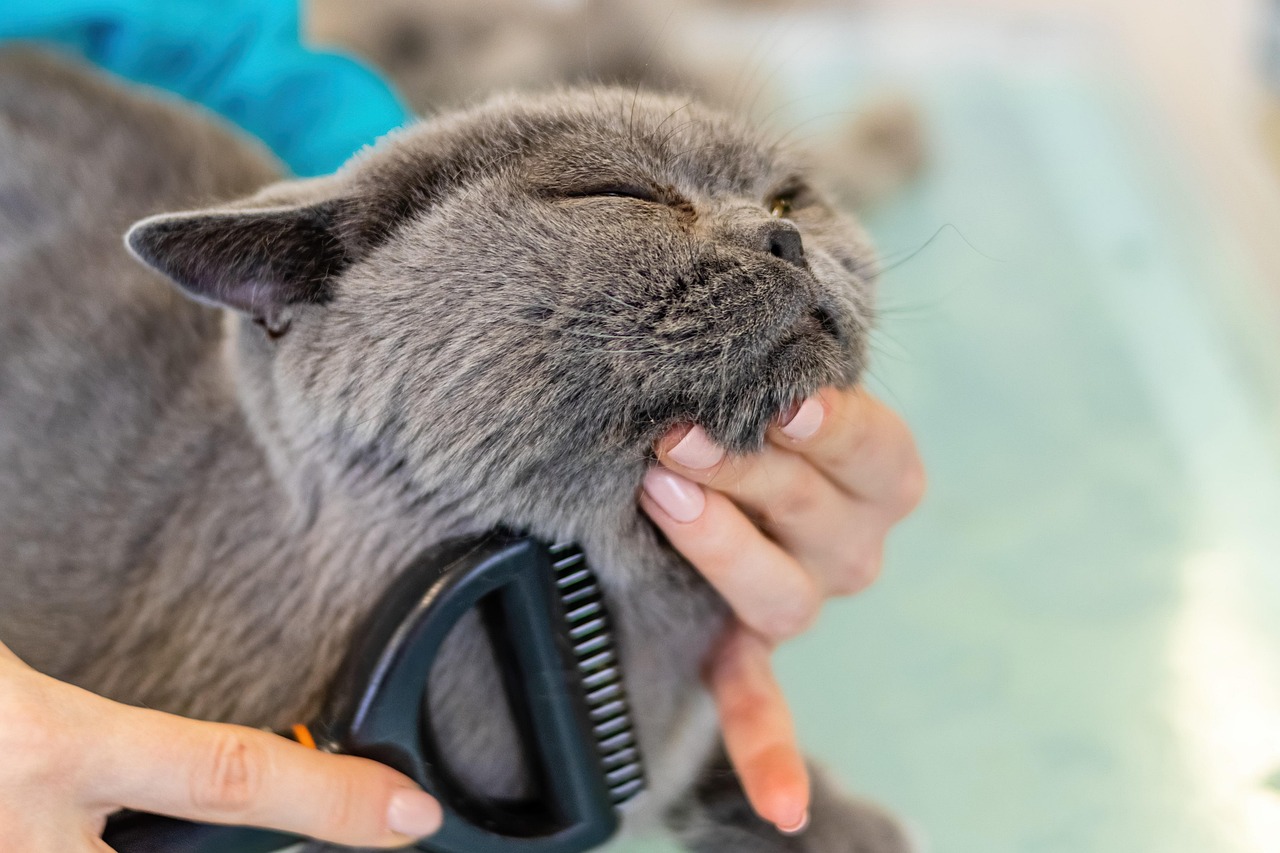
While self-grooming is common, owners also play a pivotal role in managing their cat’s grooming needs. Regular brushing sessions can effectively reduce shedding and prevent hairballs, which are often a source of discomfort. This practice ensures that loose fur is removed and helps keep your home cleaner. Introducing grooming tools can make this process enjoyable for both the cat and the owner. Start with a soft brush or comb that suits your cat’s coat type. Initially, keep grooming sessions short to avoid overwhelming your pet. Gradually increase the time spent, allowing the cat to acclimate to the routine. Observing your cat’s reactions during grooming can provide insight into their preferences and comfort levels. Next, incorporate treats or praise to create a positive association with the grooming process. Consistent grooming not only fosters robust health but also strengthens emotional connections. It builds trust between cats and their owners, contributing to a more relaxed environment. By actively participating in your feline friend’s grooming, you can ensure they remain both beautiful and healthy, demonstrating the vital connection between grooming and overall cat health.
Moreover, grooming has significant implications for detecting health issues early. Cats are adept at hiding discomfort and illness. However, regular grooming allows owners to spot abnormalities before they escalate. Observing the skin’s condition can reveal changes such as bumps, redness, or excessive scratches—warning signs that may indicate allergies or infections. Likewise, paying attention to the coat’s texture provides important clues about a cat’s health. Dull or greasy fur might signal underlying health problems that require veterinary attention. Particularly in older cats, changes in grooming behavior can signal emerging arthritis or pain. If a cat that used to groom frequently suddenly stops, seeking veterinary advice is essential. Regular grooming sessions can also serve as a time for overall health checks. During these sessions, owners can examine the cat’s ears, teeth, and skin while bonding. This proactive approach to grooming represents a critical component of preventative healthcare, ultimately contributing to a longer and healthier life for the beloved feline companion.
Benefits of Regular Grooming
The physical and emotional benefits of regular grooming practices for cats cannot be overstated. Grooming not only enhances a cat’s appearance but also stimulates blood circulation and promotes skin health. As cats groom themselves, the action of their tongues helps distribute natural oils throughout the coat. These oils are essential for maintaining coat luster and hydration, supporting healthy fur. Moreover, such self-care activities can act as a calming mechanism, reducing stress and anxiety in felines. A calm cat is more likely to exhibit positive behavior, as regular grooming leads to increased feelings of relaxation. Beyond physical advantages, mental well-being is equally important. By creating a routine involving grooming, cat owners can give their pets something to look forward to, fostering a sense of security. Regular grooming also offers an opportunity to build trust, making it easier for the owner to perform other health checks. Moreover, those moments encourage a deeper bond, benefiting both cat and owner. Understanding these advantages can inspire owners to prioritize grooming, thereby supporting their feline friends’ overall well-being.
In addition to the psychological and physical benefits of grooming, there are also practical aspects that should be considered. Cats have specific grooming needs depending on their breed, age, and health status. Long-haired breeds require more frequent grooming sessions to manage tangles and prevent matting. Owners should invest in high-quality grooming tools specifically designed for their cat’s coat type. Understanding the unique characteristics of different breeds helps determine the best grooming techniques tailored to their needs. Furthermore, cats may experience changes in grooming behavior due to age or health issues. Senior cats might need assistance with grooming as they become less flexible and might struggle to reach certain areas. Similarly, medical conditions can impact a cat’s ability to groom properly. Owners should remain vigilant about changes in their cat’s grooming habits, as these can often serve as indicators of potential health problems. By understanding and adapting to their cat’s grooming requirements, owners can ensure their pets remain comfortable, clean, and healthy throughout their lives.
Common Grooming Issues
Despite the numerous advantages of grooming, several common issues can arise that pet owners should be aware of. One significant concern is matting, which often occurs in long-haired breeds. Matting can restrict movement and cause skin irritation, leading to distress for the cat. It can also create an environment conducive to infections. Owners should consistently check for tangled fur, especially in areas like the armpits and behind the ears, where cats may struggle to groom effectively. Another issue is excessive shedding, particularly during seasonal changes. Hairballs are a common result of this shedding, causing discomfort for the cat. Implementing a regular grooming routine can significantly alleviate these issues. Regular brushing not only minimizes shedding but also prevents hairballs from forming. Additionally, over-grooming can also be problematic. When cats groom excessively, it may indicate stress or anxiety, leading to bald patches or raw skin. Continuous observation of grooming behaviors helps owners identify potential problems before they escalate into serious health concerns.
Finally, addressing our cats’ most pressing grooming and health needs involves understanding the relationship between grooming routines and environmental factors. For many cats, changes in their surroundings can impact their grooming behavior significantly. A chaotic environment or the introduction of new pets can lead to stress-related grooming issues. Providing a stable and calm home can alleviate anxiety, allowing for healthier grooming habits. Moreover, ensuring proper nutrition contributes to a cat’s overall health, affecting coat quality as well. A diet rich in omega fatty acids can promote a healthy coat and skin, further enhancing the benefits of grooming. Regular vet check-ups also align closely with grooming practices, as veterinarians can offer tailored advice on grooming techniques suitable for specific cats. Continuous education about breed-specific traits and grooming requirements can maximize health benefits. In conclusion, recognizing the connection between grooming and overall cat health underscores the importance of consistency while caring for our feline companions. This understanding can lead to improved life quality for both cats and their owners, nurturing a deeper relationship.
Conclusion: Prioritize Cat Grooming for Health
Integrating a comprehensive grooming routine fosters a healthier, happier feline. Owners must prioritize this essential practice to support their cat’s physical health, emotional well-being, and early detection of potential health issues. Moreover, providing the right tools and understanding breed-specific needs enhances this process. Consistent grooming not only nurtures a deeper bond between owner and cat but also guarantees a cleaner, more comfortable living space. Active involvement in your cat’s grooming empowers owners to take proactive steps in enhancing their cat’s life quality. Grooming should be an enjoyable experience for both owner and cat, enriching their relationship. Regular vet visits can further complement this routine, ensuring optimal health. Ultimately, by acknowledging the intimate connection between grooming and cat health, we can implement practices that promote longevity and happiness. Every grooming session is an opportunity to support our beloved pets, strengthening our bond. By adopting these grooming habits, we enable our cats to thrive and enjoy their lives to the fullest. Make grooming a joyful experience, and relish the many benefits that come with caring for your feline friend.