
The Role of Sanitation in Preventing Parasites During Cat Grooming
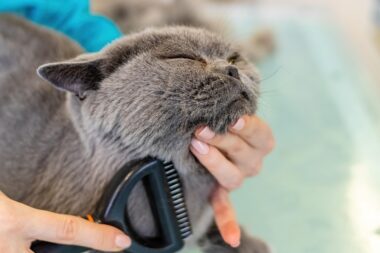
Grooming your cat is not only a way to maintain its appearance but also a critical component of pet health. Proper sanitation during the grooming process helps eliminate the risk of parasites like fleas and ticks. Regular grooming enables pet owners to inspect their cats for any signs of infestations. By ensuring that grooming tools are clean, owners can significantly reduce the chances of transferring these pests between pets. Waterless sprays and high-quality shampoos specifically formulated for cats can further help in removing unwanted parasites. Use of these specialized products guarantees that your kitty remains fresh and healthy too. Additionally, creating a habit of grooming keeps the cat’s coat in optimal condition, further preventing skin infections and issues related to poor hygiene. It’s essential to have dedicated brushes and combs exclusively for grooming purposes. This helps avoid cross-contamination and maintains cleanliness. Investing time in grooming is crucial because when conducted correctly, it established trust between pet and owner. Overall, consistent sanitation in grooming practices is paramount in providing your cat with a long and healthy life.
Understanding Common Cat Parasites
There are various common parasites that can affect cats and understanding them is essential for effective grooming. The two most notable categories include external parasites, such as fleas, ticks, and mites, and internal parasites like worms. Fleas are particularly notorious; they can lead to serious skin irritation and transmit diseases. Ticks pose a similar threat as they can carry lethal diseases like Lyme disease in cats. It’s crucial for cat owners to routinely inspect their pets for these parasites during grooming sessions. Moreover, mites can contribute to conditions such as mange, which causes severe skin problems that need to be addressed promptly. Alternatively, internal parasites often go unnoticed until more serious health issues arise. Regular grooming allows owners to check for weight fluctuations or changes in the cat’s behavior as possible indicators of internal parasites. Any signs warrant consultation with a veterinarian, who can recommend proper treatment. Offering a parasite-free environment is paramount. Using anti-parasitic treatments made specifically for cats as a routine measure ensures the prevention of infestations before they have a chance to thrive.
Essential Grooming Tools for Sanitation
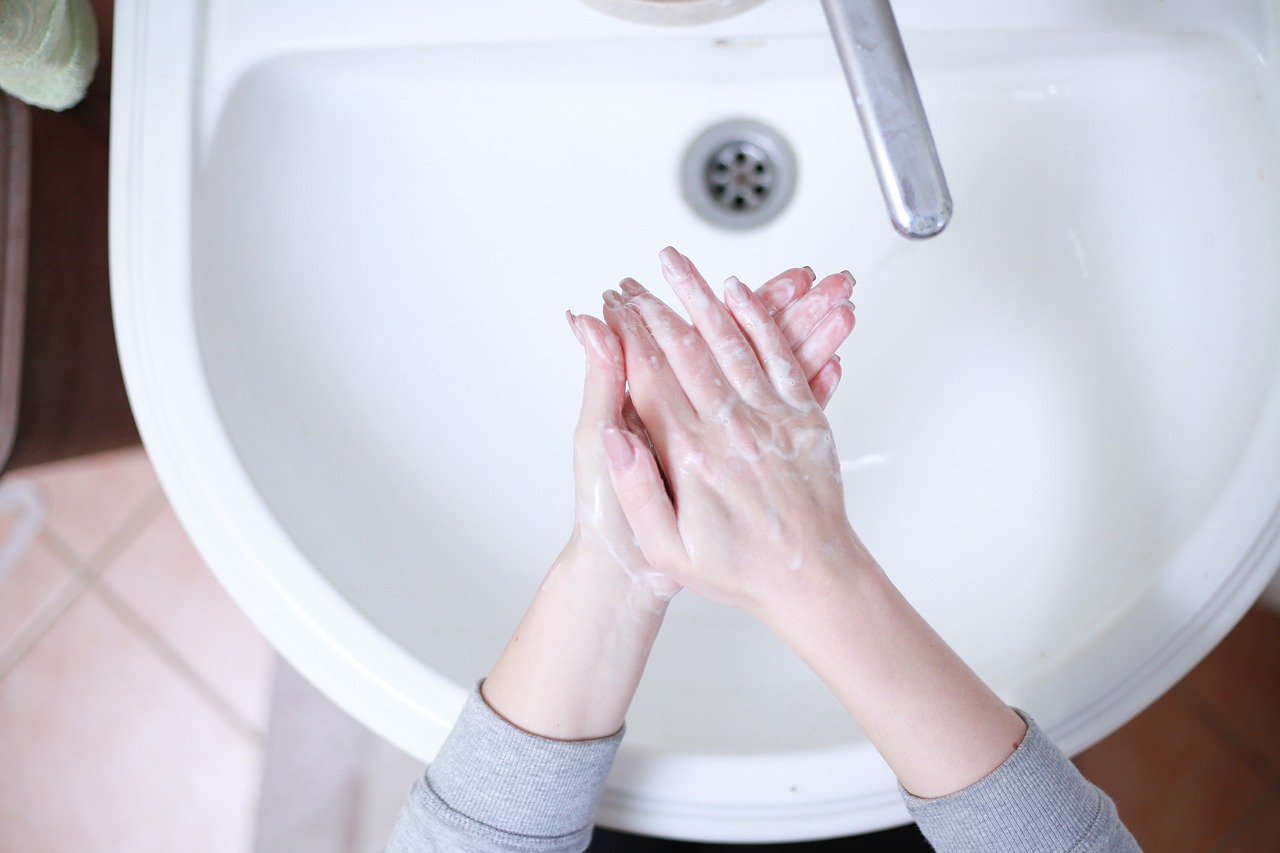
To maintain a pathogen-free grooming environment, it’s essential to equip yourself with the right tools. High-quality brushes and combs should be the first on your list. These should be made of non-porous materials that can easily be cleaned after use. Additionally, having a pair of dedicated nail clippers can make nail trimming safer. A sanitary grooming area is vital, so ensure it’s regularly cleaned and disinfected. Before beginning, gather all your supplies, including anti-parasitic sprays, shampoo, cotton pads, and towels. After grooming, make sure to clean all tools and away any hair, dirt, or debris that might contain parasites, as they can linger. Some cat owners prefer using disposable grooming wipes for quick clean-ups between sessions. Ensure they are safe for feline use and effective against parasites. Having a comfortable and clean environment is preferable. Encourage your cat to enjoy the grooming process by introducing treats and praise. This will not only make grooming easier but also highlight the importance of sanitation in keeping your furry friend healthy and happy.
Maintaining a clean grooming area is essential for avoiding parasite outbreaks. Designate a specific location for grooming, ideally a space that can be easily disinfected, such as a bathroom or laundry area. Use washable mats and surfaces that can be cleaned regularly. When grooming, always begin with a clean slate, ensuring that the area is free from any residual hair or grooming products. Ensuring your cat’s comfort during the grooming session can create a positive association with cleanliness. To facilitate this, try using grooming tools that feel good on your cat’s skin. As you groom, regularly pause and check for any signs of parasites. If detected, use the appropriate methodology to remove them safely. Make it a habit to groom in the same place to minimize parasite transfer. If your cat interacts with other animals, consider implementing routine grooming checks more closely. Employing sanitation measures during grooming is a worthwhile investment in your cat’s overall health and well-being. The more proactive you are in preventing parasites, the happier and healthier your feline companion will be.
It’s not only important to ensure that your grooming tools are clean but also those supplies you use in the process. Keeping shampoos, sprays, and grooming wipes sanitized can help prevent re-infestation of parasites. Store grooming products in a cool and dry place, away from humidity, which can lead to contamination. When you use grooming sprays, ensure they are feline-approved and effective against the particular parasites. Regularly check the expiration dates on all grooming products; expired items may become ineffective. Use the products in combination with your grooming tools in a safe manner, allowing time for each item to dry effectively. Additionally, in case of heavy infestations, turn to professionals for assistance in cleaning while adhering to the best grooming practices. Ideally, a thorough grooming schedule should include at least once a week for basic maintenance and to watch for any signs of parasites. Groomers should be well-acquainted with various grooming techniques and sanitation practices. Your expertise in sanitation measures will eliminate risks, leading to fewer parasite occurrences in your much-loved feline friends. Ultimately, routine prevention is the key.
Cat grooming often reveals more than just fur, including signs of potential health issues. This is why maintaining sanitation during the process is so crucial. Regular inspections can identify flea dirt, skin infections, and other abnormalities. Noticing early signs of parasites prevents significant health problems and costly vet visits. With an observant eye, owners can monitor their cats’ skin and coat more closely during grooming sessions. Establish a consistent routine where the cat recognizes grooming as a time for inspection, not just beautification. Keep a checklist of what to look for while grooming, such as lumps, bumps, or odd itching behaviors. Observing your cat’s behavior can often signal irritants or parasites. Consulting a veterinarian promptly is paramount for any unusual signs. Catching issues early optimizes not only health but the enjoyment of grooming as well. Make sure to record any changes in the cat’s behavior that can be associated with infestation. Additionally, ensure your cat is up to date with vaccinations and anti-parasitic treatments. Every grooming session should end with a thorough cleaning of the tools used to maintain the hygiene of future sessions.
The importance of sanitation in cat grooming cannot be overstated. Cats are sensitive creatures and keeping their environment clean is paramount for their well-being. Regular grooming, when paired with effective sanitation practices, forms a formidable frontline defense against external and internal parasites. It fosters a healthy bond between cat and owner, which contributes to the animal’s emotional well-being. An atmosphere of trust is created when cats feel safe and handled gently. Additionally, the positive interactions and routine could lead to a cat that enjoys grooming instead of fearing it. Through continuous education, cat owners can learn the most effective methods for removing and preventing parasites. Explore resources that detail best practices, proper grooming techniques, and effective products. Utilize local veterinary resources to understand which products may be most effective for your cat’s unique needs. Investing time in comprehensive grooming strategies establishes a higher quality of care for your beloved pets. Ultimately, sanitation should never become an afterthought, rather, it should take precedence as one of the most critical components of cat grooming and well-being.
Through proactive sanitation measures during grooming, cat owners can help ensure the health and happiness of their feline companions. Taking the time to implement good hygiene practices will not only keep parasites at bay but also promote a stronger bond between owner and cat. Enhanced interaction during grooming can lead to deeper trust and affection. Routine inspection serves a dual purpose: maintaining cleanliness while monitoring for issues that may arise. A clean and sanitary grooming practice fosters a healthy environment, preventing infestations and health problems. Moreover, always keep updated on the latest cat care and grooming research to provide the best possible conditions for your pet. Engaging in regular veterinarian check-ups can also introduce new strategies and techniques that benefit both the cat and owner. Creating a checklist or schedule for grooming can aid significantly in maintaining consistent sanitation practices. Remember, a little prevention goes a long way! By establishing beneficial routines around grooming and sanitation, you can keep your cat protected from parasites and promote its overall health. The rewards of sanitation during cat grooming are immeasurable, leading to a long, happy life for your cherished pet.