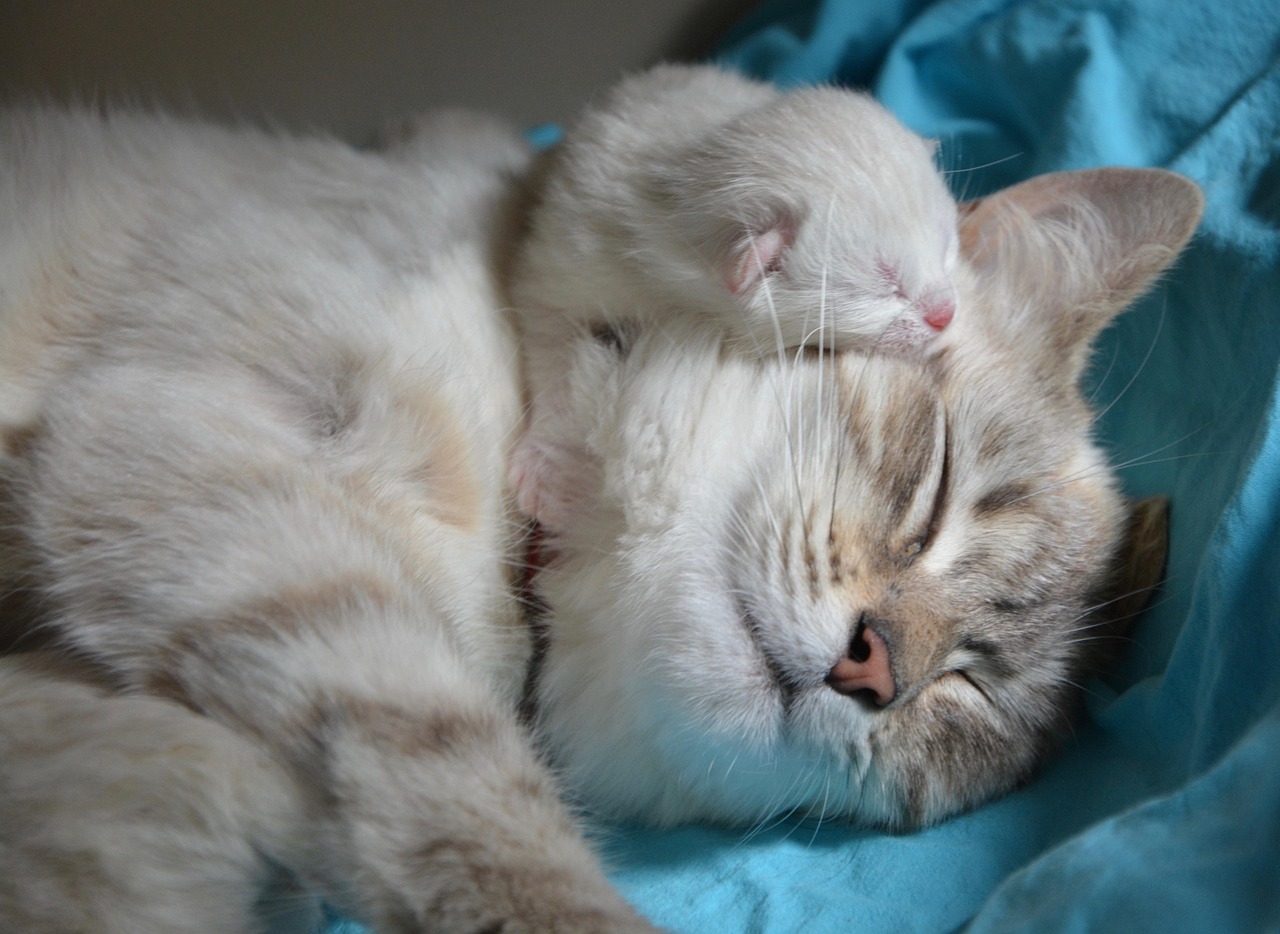

Understanding Kitten Behavior Changes During Weaning
Weaning kittens is a crucial period in their development, requiring careful observation of behavioral changes. This transitional phase generally occurs between four to seven weeks of age. During this time, kittens are gradually introduced to solid food while having reduced milk intake from their mother. This shift can lead to numerous behavioral changes as they adapt to new eating habits and become more independent. Kittens might display anxiety or be extra clingy as they navigate this significant change. It is essential for breeders to monitor these behaviors closely to ensure that the kittens adjust well. Socialization plays a vital role in this period. Kittens will often lean on their littermates for comfort. Inadequate social interaction can lead to issues, such as excessive aggression or shyness later on. Breeders should actively engage with the kittens, providing playtime and positive reinforcement. This will help them develop into well-rounded cats. Additionally, understanding signs of stress, such as hiding or vocalizing excessively, is crucial. Timely intervention can mitigate potential behavioral issues, creating a smoother transition for these adorable furry friends.
As kittens begin the weaning process, their interaction with their mother also shifts significantly. The mother cat typically starts to reduce nursing sessions, prompting kittens to seek nourishment elsewhere, encouraging their exploration of solid food. During this phase, it is not uncommon for kittens to show curiosity about their environment. Consequently, they may engage in activities such as climbing, playing, and exploring new textures. Observing kittens during this period offers insights into their developing personalities. Each kitten reacts differently, with some displaying a more adventurous spirit while others may seem reserved. Understanding these individual differences is paramount for breeders. Providing a safe space for exploration is vital, allowing kittens to learn through play and instinctual behaviors. Offering various toys stimulates their senses and encourages problem-solving skills. Regularly engaging with kittens during playtime helps foster a sense of security and comfort. This enriches their environment, enhancing their physical and mental wellbeing. Regular interactions with humans play a role in shaping their social skills. Positive experiences during weaning can contribute greatly to a kitten’s overall temperament as they grow into adult cats.
Emotional Changes in Weaning Kittens
The weaning process can also trigger significant emotional changes in kittens. Transitioning from a nurturing environment filled with maternal care to one emphasizing independence can cause feelings of insecurity. Kittens may express stress or anxiety through behaviors such as excessive meowing, pacing, or hiding. It is vital for breeders to remain observant during this sensitive period. Providing a comforting environment with familiar scents and gentle interactions can alleviate anxiety. Keeping the weaning process gradual is beneficial; rather than abrupt changes, kittens should experience incremental adjustments to their food and socialization. Introducing each new food gradually helps kittens adapt without overwhelming them. Consistency in feeding times and routines offers stability amid these changes. Furthermore, maintaining a structured environment can help them manage their emotional states effectively. If negative emotions persist, incorporating stress-reduction techniques can be beneficial, such as creating designated play areas and using soothing sounds. It’s also crucial to monitor their physical health, as discomfort or illness can amplify emotional stress. Overall, understanding the emotional dimension of weaning is essential for fostering healthy, well-adjusted adult cats.
The nutrition aspect during weaning plays an integral role in kittens’ health and wellbeing. During this time, transitioning them to high-quality kitten food is essential. The ideal diet should be rich in protein and essential vitamins to support healthy growth. Kittens need more calories per pound compared to adult cats, given their high energy levels. Choosing the right kind of food can help in developing their muscle and bone structure and provide the necessary hydration. Introducing wet food alongside dry kibble can encourage hydration while appealing to their natural preferences. During weaning, kittens might experience digestive changes, so it is advisable to introduce food gradually to prevent upsets. Daily observations can help identify any adverse reactions to specific foods. Finding the right texture and flavor can be crucial in attracting kittens toward solid food. Experimentation is often required to ascertain their preferences. Social eating experiences can also encourage reluctant eaters. Offering meals at scheduled times rather than free feeding can help establish a healthy eating routine and monitor their appetite, making it easier to identify healthy growth and potential health concerns.
Physical Development During Weaning
Physical development during weaning is a remarkable journey for kittens. As they transition to solid food, the growth spurts are often evident; kittens may gain weight rapidly and appear more energetic. However, certain physical changes, like baby teeth falling out, may lead to discomfort. Providing appropriate chew toys can assist during this teething phase. Offering soft foods will make eating easier for them until their adult teeth completely come in. Along with physical changes, kittens will become more coordinated as they practice climbing and running. This stage encourages them to explore their surroundings actively. Setting up a safe and stimulating area for play is vital. Playtime aids in developing muscle strength and motor skills. Socializing with littermates further enhances their physical capabilities and teaches them important life skills, such as hunting and self-defense. Engaging them in various interactive games fosters both physical and mental agility. Close monitoring is beneficial; watching them develop their balance might reveal their individual personality traits as well. These observations will not only provide insights into their physical growth but also allow breeders to prepare them for future homes.
The impact of socialization cannot be overstated during the weaning stage. Early interactions with humans and other pets set the foundation for a kitten’s future behavior in a new home. Kittens that experience positive socialization during weaning tend to adapt more easily to various environments. Regular human interaction helps them build trust and reduces shyness. Exposure to diverse sounds, people, and even gentle dogs or other pets encourages adaptive behavior. Moreover, positive reinforcement from engaging with their caregiver can shape their responsiveness and overall temperament. Introducing them to various stimuli gradually will foster less fear and anxiety later. Socialization can also involve gentle handling or supervised play with littermates which helps in developing social skills. Breeders should be attentive to signs of distress during these interactions; negative experiences could affect future behavior. Engaging with each kitten individually ensures they receive the attention required. Thus, positive early experiences can lead to better-adjusted adult cats. This phase does hold some risk, but being proactive can enable kittens to overcome challenges associated with social interactions. Ultimately, a well-socialized kitten will transition more smoothly into their forever homes.
Monitoring Health During Weaning
It’s crucial to monitor the health of weaning kittens vigilantly. As they transition away from nursing, their health needs can change significantly. Regular veterinary check-ups throughout this period ensure that any potential health issues are addressed promptly. Vaccinations and deworming should be up-to-date to provide a strong defense as they encounter various environments. Moreover, good hygiene is vital during this stage, as their immune systems are still maturing. A clean living space helps prevent illnesses that could affect their health, especially as they explore new foods. Common health concerns include digestive issues, which can arise due to switching diets or overeating. Relative weight gain should be monitored through regular weighing sessions while adjusting food portions accordingly to avoid obesity. It’s essential to watch for symptoms indicating distress or discomfort, such as lethargy, vomiting, or diarrhea. Behavioral signs like excessive crying or withdrawal may signal underlying health problems that require veterinary attention. Overall, diligent monitoring during weaning is essential for their development and provides peace of mind for breeders and caregivers alike.
Finally, preparing kittens for adoption during the weaning phase is essential. By this stage, foundational behaviors and personality traits have largely formed. Breeders should spend this time reinforcing positive behaviors and socialization. Introducing them to various human interactions, sights, and sounds prepares them for their future homes. A well-adjusted kitten is more likely to adapt easily to their new owners. Creating a nurturing environment aids considerably in shaping their temperament. Breeders should also educate prospective adopters on the importance of continuing socialization and training. Providing new owners materials about kitten care can foster success during this transition. Discussing health records and dietary preferences gives new families an insight into maintaining the kitten’s health. Provide advice on gradual food changes and ongoing health monitoring. Ensuring that the kittens are vaccinated and dewormed before adoption further protects their health. Additionally, potential adopters should understand the importance of patience during the adjustment period. Preparing kittens effectively during weaning enhances their chances of being well-liked companions in their forever homes. This supportive approach ultimately lays a solid foundation while encouraging lifelong bonds between kittens and their new families.