
Dietary Support for Dogs with Parasitic Skin Infections
Parasitic skin infections in dogs can be distressing not only for dogs but also for their owners. These infections can lead to irritations, itchiness, and an overall decrease in the quality of life for affected pets. Addressing these infections requires a multifaceted approach that includes veterinary treatment and, importantly, dietary adjustments. A well-planned diet can bolster the immune system, support skin health, and make a significant difference in recovery. Providing essential nutrients through food can help manage inflammation and enhance the skin’s ability to heal. Additionally, specific dietary changes can support the gut microbiome, which is crucial for a well-functioning immune system. Overall, finding the appropriate foods is critical for promoting health during recovery from parasitic skin infections. Ingredients rich in omega-3 and omega-6 fatty acids, for example, can greatly assist in reducing skin irritation and support a vibrant coat. Transitioning to a diet filled with these nutrients can be an effective first step in addressing skin issues caused by parasites.
Ensuring your dog’s diet is balanced with nutrients is paramount when solving parasitic skin problems. Many dogs may benefit from foods designed to reduce inflammation and improve skin health. Proteins like fish, eggs, and lean meats are generally beneficial. Additionally, consider adding ingredients like sweet potatoes, blueberries, and carrots to provide essential vitamins and minerals. These foods are packed with antioxidants that help combat free radicals, contributing to skin health. Furthermore, increased hydration can also aid in the recovery process, so be sure to provide plenty of fresh water alongside these dietary changes. A good approach is to incorporate specific supplements into the diet, such as fish oil, which has demonstrated effectiveness in promoting skin health. Probiotics can also offer substantial benefits by supporting gut health and strengthening the immune system. Natural ingredients, such as coconut oil, can be mixed into meals to improve skin moisture and reduce irritation. It’s best to consult a veterinarian before making significant dietary changes, ensuring your dog’s specific needs are met during recovery from parasitic infections.
Key Nutrients for Skin Health
The role of certain nutrients in managing skin health cannot be overstated. Omega fatty acids, in particular, play a crucial role in maintaining healthy skin and can significantly alleviate conditions caused by parasitic infections. Omega-3 and omega-6 fatty acids help reduce inflammation and promote a healthy skin barrier. Fish oil and flaxseed oil are excellent sources that should be incorporated into your dog’s diet when combating skin issues. Moreover, antioxidants such as vitamins A, C, and E can help protect your dog’s skin from damage and stress caused by parasites. These vitamins work at the cellular level to promote healing and tissue regeneration. Zinc is another essential mineral that helps improve skin integrity and aids in wound healing. Incorporating targeted supplements or choosing commercial dog foods fortified with these nutrients can help enhance your dog’s skin condition. Lastly, maintaining hydration is essential; dry skin exacerbates infections and leads to discomfort. Ensure access to fresh water and consider wet food options, which may promote better hydration levels in dogs susceptible to skin infections.
In addition to focusing on specific nutrients, it’s vital to consider the overall quality of the diet provided to your dog. Whole, minimally processed foods should be prioritized, as they often have a better balance of nutrients. Look for dog foods that list real meats as the first ingredient, as high-quality protein supports healing and skin repair. Avoid fillers or artificial ingredients that can complicate skin conditions. If possible, opt for grain-free diets, especially if you notice that your dog has sensitivities to grains, leading to skin troubles. A thoughtful, well-balanced diet is more than just about eliminating what is harmful; it’s also about optimizing everything beneficial for skin health. Raw diets, homemade meals with guidance from your vet, and premium commercial diets might all be suitable routes to find the best solution. Understanding your dog’s specific skin needs is crucial for diet adjustments, so regular monitoring and patience can enhance the overall health of your pet during the treatment of parasitic infections.
Hydration and Its Impact on Skin Health
The importance of hydration in treating parasitic skin infections cannot be overlooked. Adequate water intake supports the function of every cell in your dog’s body, including cells in the skin. Hydrated skin is more elastic and resilient, which can aid in faster recovery from infections and irritations. If your dog is suffering from a skin infection, ensure that they have unlimited access to fresh, clean water at all times. Additionally, certain foods high in moisture, like fruits and vegetables, can complement the diet and encourage hydration. Consider adding natural broths or making wet food options a more significant part of your dog’s meals. Monitoring your dog’s water intake is essential, as dehydration can complicate skin conditions and slow the healing process. If your dog does not drink much on their own, explore options like water fountains or ice cubes to encourage them. Restaurateurs have observed that dogs enjoy drinking more when they have a constant supply of fresh and running water; this habit can fundamentally contribute to overall well-being.
Consult Your Veterinarian for Optimal Care
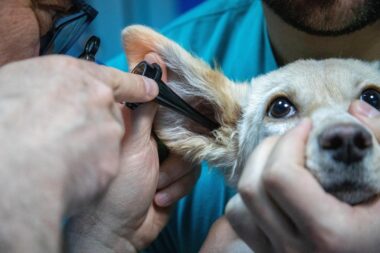
Any dietary changes made for dogs suffering from parasitic skin infections should always occur with the guidance of a veterinarian. Each dog has unique needs and underlying health issues that may affect dietary choices. A vet can provide the necessary assessments to ensure that the recommended diet is balanced and appropriate. Additionally, your vet can make recommendations based on your dog’s specific symptoms and health history. Depending on the severity of the skin issues, medication or topical treatments may also be prescribed in conjunction with dietary support. Collaborating with a veterinarian ensures you have all the tools needed to manage your dog’s condition effectively. Blood tests or allergy testing may be needed to uncover hidden sensitivities contributing to the skin infection. Veterinarians can recommend hypoallergenic diets that reduce the risk of food-related skin issues, offering more accessible paths to health. Involving your vet in dietary and care decisions increases the chances of long-term recovery. Lastly, don’t forget to discuss incorporating supplements into your dog’s diet, as added nutrients can play a pivotal role in healing.
In summary, dietary support for dogs dealing with parasitic skin infections involves a careful approach to nutrition, hydration, and consultation with a veterinarian. Prioritizing high-quality proteins rich in omega fatty acids, supplements, antioxidants, and proper hydration can significantly improve your dog’s skin health. Avoid fillers and artificial ingredients while focusing on whole foods that promote healing and immune function. Regular monitoring, quality vet care, and a stress-free environment are equally important in this recovery process. Hydration should be emphasized throughout, utilizing both fresh water and moisture-rich foods as aids. Remember, every dog is different, so tailor the diet to meet individual needs and symptoms. Holistic approaches and alternative treatments may enhance conventional care. Always engage your vet when considering new dietary plans to ensure safety and efficacy in treatment. Sharing this journey with a veterinary professional ensures that you are equipping your dog with everything necessary for a successful recovery. Ultimately, a comprehensive plan combining diet, lifestyle changes, and veterinary collaboration will provide the best outcome for your dog’s health as they overcome parasitic skin infections.