
Essential First Aid for Dog Heat Stroke Related to Grooming
As a dog groomer, understanding how to effectively handle heat stroke in dogs is vital. Heat stroke can occur quickly during grooming, especially on hot days. Signs of heat stroke include panting, drooling, lethargy, or even collapse. Recognizing these symptoms early can save a dog’s life. Ensuring that dogs are not overexposed to high temperatures is essential for preventing heat-related emergencies. Always make sure to keep your grooming area well-ventilated and consider using fans to circulate air. Additionally, ensure that dogs have access to fresh, cool water to stay hydrated. If you notice any early symptoms, immediately stop the grooming process. It’s better to be safe than sorry. Dogs with flat faces are particularly prone to heat stroke and may require extra precautions. Owners should also be educated on the risks associated with grooming during hot weather. Always talk to pet parents about the potential dangers. Groomers must prioritize safety with thorough training in first aid. Having a clear plan and first aid kit at hand is paramount. This ensures readiness for any emergency scenario. This preparedness can make a significant difference in critical situations.
To ensure effective first aid in cases of heat stroke, it is crucial to act swiftly. Start by moving the dog to a cooler environment as quickly as possible. Shade, air conditioning, or a cool bathroom can provide immediate relief. You can also wet the dog’s coat with cool, not cold, water. Never apply ice as it can constrict blood vessels, hindering the release of heat. After wetting the coat, use fans to expedite the cooling process. Monitor the dog’s temperature using a rectal thermometer; a reading above 104°F is critical and means the dog requires immediate veterinary attention. Dehydration is a common concern during heat stroke, so administering small amounts of water is essential, yet avoid forcing the dog. Additionally, know when to involve professionals, as every second counts. Always keep emergency numbers accessible, including your veterinarian and local emergency animal clinics. A proactive approach can make all the difference, and regular training in first aid procedures can enhance your responsiveness in emergencies. Remember, your primary goal is to stabilize the dog’s condition while getting expert medical assistance, thus mitigating potential risks during grooming sessions.
Prevention Strategies for Heat Stroke
To mitigate the risk of heat stroke in dogs during grooming sessions, adopting preventive strategies is paramount. First, consider scheduling grooming appointments during cooler parts of the day, such as early morning or late afternoon. Ensuring that your grooming environment remains cool is crucial; air conditioning or fans can help maintain a comfortable temperature. Additionally, provide frequent breaks during grooming to allow the dog to cool down. Limit the duration of grooming sessions, especially with breeds prone to overheating. It helps to keep the dog’s fur trimmed to reduce insulation during hot weather. Always monitor the dog’s tolerance level during the process, especially if it exhibits signs of stress or discomfort. Furthermore, incorporating playtime or exercise into the routine is beneficial to maintain the dog’s physical health, but ensure to do this during cooler temperatures. Encourage pet owners to hydrate their pets adequately before appointments to further reduce heat risks. Education plays a critical role in overall safety. Pamphlets or tutorials on heat stroke in dogs can create awareness, ensuring that everyone involved in the grooming process remains vigilant about this serious condition.
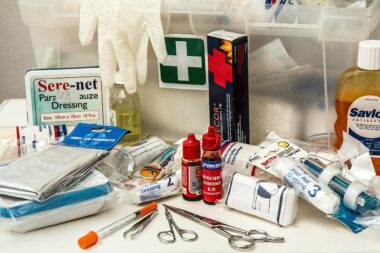
In addition to employing effective prevention strategies, ongoing education on canine first aid is crucial for groomers. A well-trained groomer should know how to recognize heat stroke and respond appropriately. Conducting regular training sessions, whether through workshops or e-learning platforms, can enhance awareness and retention among staff members. Familiarizing yourself with relevant first aid techniques and local veterinary resources can also contribute to improved outcomes in emergencies. Create a buddy system among grooming staff in which multiple team members support and monitor dogs during grooming sessions. Reviewing case studies of past incidents and discussing best practices can offer valuable insights into potential pitfalls. Additionally, maintaining a well-stocked first aid kit specifically for heat-related incidents is essential. This kit should include cooling towels, a rectal thermometer, and emergency contact numbers for local veterinarians. Regularly assessing and updating this kit ensures that all the necessary equipment is readily available. Encouraging an open-door policy where staff can voice concerns about any dog’s wellbeing furthers the intimate relationship between groomers and canine clients. Ultimately, knowledge and teamwork help create a safer grooming environment.
Signs of Heat Stroke to Watch For
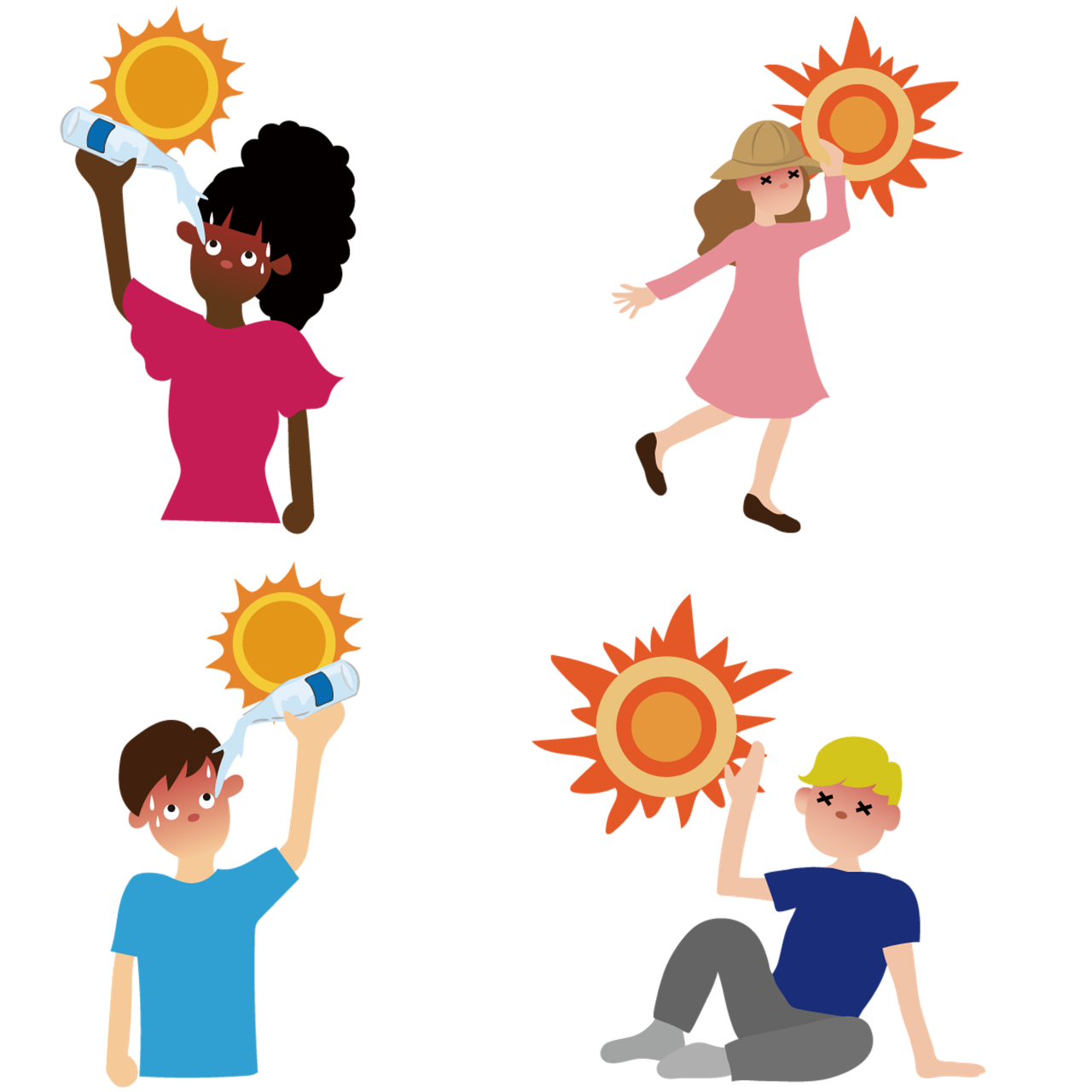
When it comes to recognizing heat stroke, being observant is crucial. Some common signs include excessive panting, drooling, and weakness. If a dog exhibits rapid breathing or an increase in body temperature, immediate action is mandated. Lethargy, vomiting, or staggering may also occur, indicating that the dog requires urgent care and cooling measures. When watching for these symptoms, always consider the dog’s breed and size; small or brachycephalic breeds are particularly susceptible to heat stress. Pay special attention to dogs that are elderly, overweight, or have pre-existing health issues. They are more likely to struggle in hot settings. Additionally, always observe how long the dog has been unsupervised in a grooming area to gauge whether any signs may appear. Valuable behavioral cues include seeking shade or water, frequent facial licking, or signs of restlessness; these can all indicate potential overheating. As a professional groomer, having the skills to identify these signs can be lifesaving, prompting faster intervention. Communication with dog owners regarding dog-specific heat-stress signs can ensure that both parties remain vigilant, effectively reducing risks associated with heat stroke in the grooming environment.
Alongside observing signs of heat stroke, regular hydration is essential for maintaining a dog’s wellbeing, particularly during grooming. Offering water breaks throughout the grooming session is vital. Hydration plays a crucial role in regulating body temperature, especially in hotter climates or seasons. Always keep fresh water readily available in the grooming area. Encouraging drink intervals can alleviate stress during grooming and promote comfort. Use calming words to reassure nervous dogs when introducing hydration breaks. Educate pet owners on the importance of pre-grooming hydration as well, since a well-hydrated dog adjusts to heat much better. You can provide tips through informational sessions or handouts. Moreover, reminding owners to avoid heavy meals before groom appointments can help too, as it can limit the chance of gastrointestinal issues during the grooming process. In fact, post-groom hydration is equally important; encourage pet parents to offer water as soon as they can, especially if their dog has undergone prolonged grooming. Further, consider using wetting spray conditions to instantly cool fur while grooming. Ultimately, effective hydration strategies are significant tools against heat stroke in dogs during grooming appointments and are a manageable aspect of care.
Emergency Protocols During Grooming
Establishing robust emergency protocols for handling heat stroke during grooming sessions is imperative for every pet salon. First and foremost, ensure all staff are trained in essential first aid practices. Training should cover understanding heat stroke, response steps, and the appropriate use of first aid supplies. Make a clear distinction among team members regarding who is responsible for specific actions in a heat-related emergency. This preparation includes knowing when to cease grooming and prioritize cooling efforts. Create a standard operating procedure and utilize checklists for the staff to follow during emergencies, detailing steps to stabilize a dog in distress. During grooming, wearing practical attire can ensure ease of movement when acting swiftly is essential. Regularly review your emergency protocols, updating them based on lessons learned from practice drills or actual incidents. Documentation of each incident, including actions taken, can provide clear insights for future reference and improvement. Additionally, enlist the help of local veterinarians in providing on-site seminars. Their expertise can build confidence in handling emergencies among your staff, turning the grooming salon into a secure environment, equipped for swift response to heat stroke incidents.
Finally, remember that consistent communication with pet owners solidifies a collaborative approach to grooming safety. Inform clients about policies regarding grooming during hot weather and set clear expectations on procedures. Build strong rapport with them by discussing their dog’s specific needs and any concerns they may have regarding heat exposure. Further, encourage open dialogue about any behavioral changes observed at home. This partnership can enhance awareness of a dog’s health status. Providing pet owners with printed materials about heat stroke in dogs and best practices during hot months can bolster education and precaution efforts. Following up with clients post-grooming allows groomers to assess the dog’s condition after a grooming appointment. Show appreciation for their trust by sharing helpful tips and suggesting follow-up appointments if you notice concerning signs. A dog’s health and wellbeing ultimately depend on a proactive groomer’s diligence and teamwork with pet owners. Creating a safer environment is a continuous journey, ensuring that every grooming experience is both pleasant and safe. By focusing on communication, and safety awareness, groomers enhance overall satisfaction and health for the dogs in their care.