First Aid Basics for New Cat Adopters
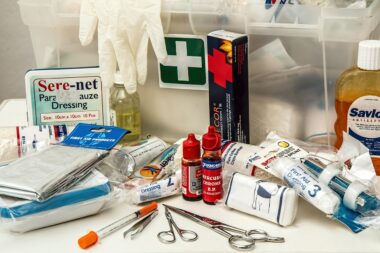
Taking in a new cat is a wonderful commitment, but it comes with responsibilities, including emergency care. Understanding basic first aid can help you handle unexpected situations more effectively. Familiarize yourself with common cat injuries. Observe your cat regularly to catch early signs of distress. Have a first aid kit tailored for cats to ensure prompt attention when needed. A basic kit should include sterile gauze, adhesive tape, scissors, tweezers, antiseptic wipes, and a digital thermometer. Make also sure to have your veterinarian’s contact details handy. Time can be critical in an emergency. Always monitor your new cat for behavioral changes, as these can signal discomfort or illness. Look out for symptoms like vomiting, excessive scratching, or lethargy. Familiarize yourself with CPR for cats; it can be lifesaving. In an emergency, remember to stay calm and take decisive action. Practice keeping everything organized in your home. Use labeled containers for easier access and understanding. You can even create a personalized cat emergency plan to discuss with your family or housemates.
Understanding Common Emergencies
Emergency scenarios come in various forms for adopted cats. Recognizing the signs can drastically influence outcomes. If your cat becomes injured, first assess the situation carefully without moving them unless absolutely necessary. Injuries may include lacerations, broken bones, or bites from other animals. A bleeding wound should always be treated swiftly. Apply gentle pressure with a clean cloth to control bleeding. If the wound appears deep or does not stop bleeding, seek veterinary care immediately. Additionally, be alert for signs of choking, which can occur with small toys or food. If your cat is choking, try to dislodge the object using the Heimlich maneuver for pets. For severe allergic reactions, which can stem from bee stings or certain foods, signs include swelling and difficulty breathing. In such cases, seeking urgent veterinary help is crucial. Always keep an eye on your cat’s behavior after introducing new food or toys to detect allergies early. Lastly, be aware of the heatstroke risk in warmer weather; keep your cat hydrated and avoid prolonged exposure to high temperatures. Recognizing these emergencies will help you provide better care for your feline companion.
Proper treatment of wounds is essential for ensuring your cat’s health. Clean any cuts with saline solution before applying a sterile dressing. If dirt remains embedded, use tweezers with care to remove debris. For minor abrasions, a little antiseptic cream can promote healing; however, never apply human-specific ointments, as these can be harmful. Observe the wound for signs of infection, such as redness, swelling, or discharge. Should any signs occur, promptly visit your veterinarian. Keep in mind that cats can be sensitive about paw injuries, often hiding their pain. If your cat is limping, gently check each paw for foreign objects or wounds. Apply a wrap to prevent further injury as needed. For major wounds, always consult a veterinarian, as stitches may be required. Additionally, familiarize yourself with signs of internal injuries, which can vary from lethargy to respiratory distress. Should you suspect an internal injury, limit movement and transport your cat to the vet quickly and safely. Staying alert and familiar with injury types ensures that you can act swiftly to protect your furry friend from further harm.
CPR and Resuscitation Techniques
If your cat exhibits signs of respiratory distress or has collapsed, knowing CPR can be invaluable. Ensure the area is safe and that your cat is stable before proceeding. Check for breathing and a heartbeat; if absent, start CPR immediately. For CPR, position your cat on a flat surface. Place your hands just behind the front legs, compressing firmly but gently. Aim for 100 to 120 compressions per minute, alternating with rescue breaths. To provide rescue breaths, close the cat’s mouth and cover its nose with yours while blowing gently. Watch the chest rise; it’s crucial not to over-inflate. Administer the rescue breath every 30 compressions. Continue until your cat shows signs of life or you reach veterinary assistance. Familiarizing yourself with pet CPR can ensure that you’re prepared for emergencies. Many organizations, including local animal shelters, offer workshops on CPR and first-aid training. These courses enhance your ability to respond effectively in a crisis. Make sure to practice these skills to keep them fresh in your mind. Remember, remaining calm and focused increases your chances of successfully helping your feline friend.
Emergency preparations can make a significant difference for your cat’s safety. Create and maintain an up-to-date emergency kit tailored for your feline friend. This kit should include supplies for immediate care and resources for transport. Include food, water, medications, and a first-aid manual in your kit. Familiarize yourself with the layout of your home in case of an emergency. Ensure that escape routes are safe and your cat’s carrier is accessible. Educate every household member on how to handle emergency situations to ensure a quick and efficient response. In addition to physical supplies, gather information such as your cat’s medical history and important details regarding veterinarian contact numbers. Also, consider microchipping your cat for easy identification if lost or found. Practicing emergency drills can reduce anxiety during actual emergencies. Keep your cat comfortable and calm in stressful situations to help them cope better. Remember, your cat’s safety relies on your preparedness and responsiveness! Having a clear plan ensures that you can take immediate action when necessary, improving the chances of a positive outcome in any emergency.
Follow-Up Care and Monitoring
Once your cat has experienced an emergency, ongoing care and monitoring are essential for recovery. Follow your veterinarian’s instructions meticulously, especially if any medications or treatments were prescribed. Observe your pet for any changes in behavior, appetite, or energy levels. Proper nutrition plays a vital role in recovery; provide a well-balanced diet suited to your cat’s specific needs. Hydration is equally important; ensure fresh water is available at all times. If your cat underwent any procedures or treatments, be aware of potential follow-up appointments with the vet. Schedule these immediately, as timely check-ups will facilitate thorough recovery. Maintain a journal to track your cat’s health trends, noting anything unusual or concerning. This can help you identify patterns and provide information to your veterinarian during check-ups. In case of ongoing symptoms, don’t hesitate to reach out to your veterinarian for advice. Finally, create a calm resting environment to help your cat recuperate. Use comfortable bedding and limit their activity as needed. Body language such as purring or kneading can indicate comfort and happiness, which contributes positively to recovery.
Being proactive helps promote a healthy bond with your kat. Always build a supportive environment to ensure your adopted cat feels safe and secure in your home. A valid point is to have a reliable support system; know how and when to seek help. Consider building relationships with your local veterinarian and pet emergency centers so they’re familiar with your pet. This nutritional planning includes understanding your cat’s dietary needs for optimal health. Engage in regular check-ups and vaccinations to prevent medical issues. Enrich your cat’s environment through play and safe interactions to foster happiness. Tap into community resources for training and behavioral advice as needed. Always prepare early for any emergencies that might arise, thus allowing you to implement the necessary care rapidly and effectively. Careful monitoring can prevent escalating issues; be attentive to your cat’s needs. Lastly, educate yourself through various resources on proper feline care to enhance your competency. Creating a reliable plan streamlines the process and assures long-term commitment to your cat’s well-being.
Conclusion
First aid basics for adopted cats are essential knowledge for responsible pet owners. The joy of welcoming a feline friend is immense, and being prepared strengthens that bond. Make maintaining a first-aid kit a priority and regularly check its contents. Understand the most common emergencies, such as wounds and allergic reactions, to enhance your cat’s well-being. Learn CPR techniques to be equipped to act during critical situations while keeping calm. Plan for emergencies by creating a tailored supply kit and engaging family members. Encourage practices like follow-up care to incorporate a recovery process after emergencies occur. Nurture the cat-parent relationship through preventive care and proactive strategies. Always be attentive to your cat’s well-being and monitor changes. Your alertness can help catch issues before they escalate. A commitment to ongoing education improves your readiness for handling any situation. Finally, remember that every moment counts in an emergency, and your preparation can save your cat’s life. Understanding first aid assists in safeguarding your new feline companion’s health. Embrace your role as a responsible cat parent and ensure a long, healthy life for your whiskered friend. Always trust your instincts while caring for your feline companion.