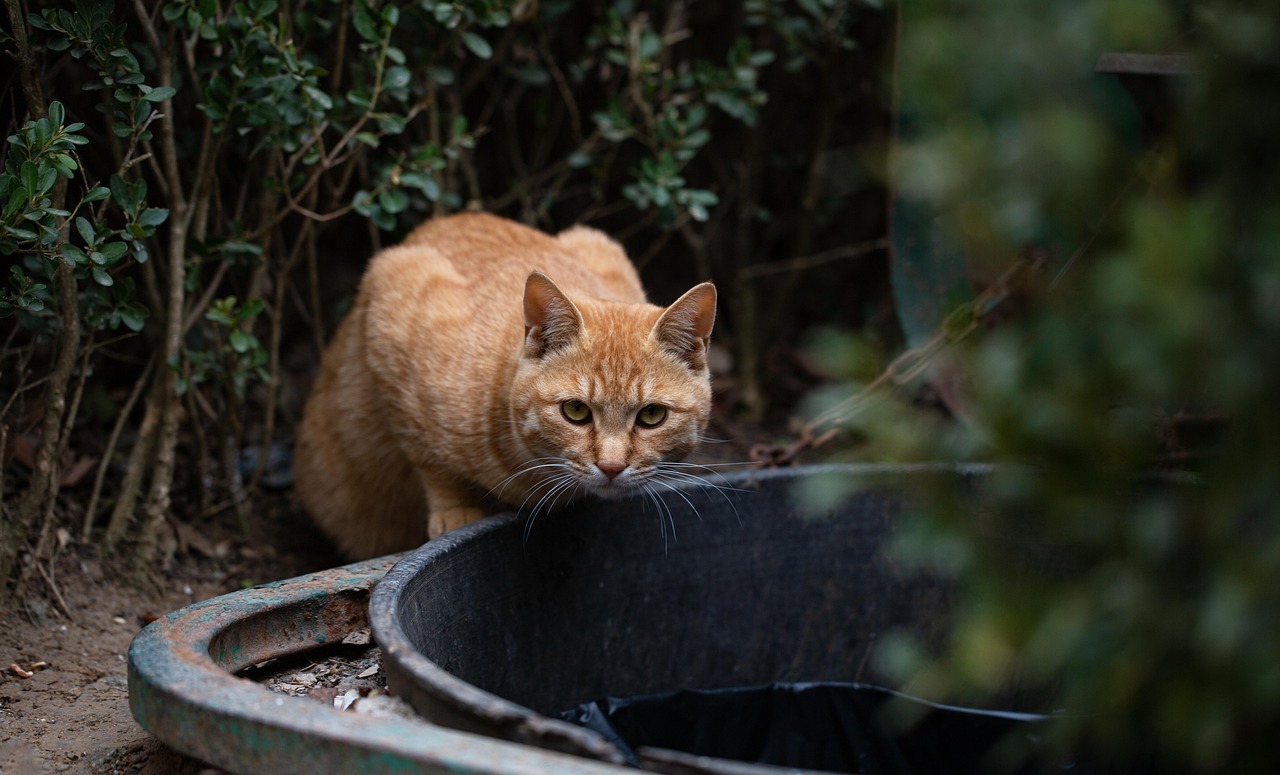

Homemade Food Ideas for Supplementing Feral Cat Diets
Feral cats often have to fend for themselves and rely on their natural hunting instincts to find food. However, providing them with supplemental homemade meals can be beneficial for their health and well-being. Incorporating wholesome ingredients into their diet ensures they receive necessary nutrients. One of the simplest meals you can make includes cooked lean meats such as chicken, turkey, or fish. These proteins are easily digested and can be served shredded or in small pieces. Adding organs like liver can also provide essential vitamins they need. Besides meat, you can mix in cooked vegetables like carrots or peas that are safe for cats. Moreover, oatmeal or rice can serve as a good carbohydrate source, ensuring your furry friends are full and satisfied. Keep your recipes simple, avoiding spices, onion, and garlic, which can be harmful to cats. You could even provide a bit of plain yogurt for probiotics, offering digestive benefits. It’s crucial to avoid feeding feral cats processed food; homemade meals can offer a great balance while also nurturing their health and vitality.
Once you decide to supplement the diets of feral cats, you can consider other options besides the basic meats and vegetables. Homemade cat treats can be a great addition, utilizing ingredients like fish or chicken combined with eggs and catnip. Baking these treats until they are crisp gives an enjoyable texture for the cats. Another option is to prepare bone broth as a base for soupy meals, rich in nutrients and hydrating, especially beneficial during warmer months. Ensure the broth is made without any added salt or seasonings. You can serve it over dry kibble or mixed with the meat and vegetables for added flavor and moisture. Additionally, exploring different protein sources is an excellent way to cater to varied palates. For example, feral cats may enjoy eggs, which provide both protein and healthy fats. Boiled or scrambled eggs can be an easy protein option to whip up. Also, remember to keep the portions appropriate; overfeeding can lead to health issues. By transitioning to a diverse menu, you enhance the feral cats’ diets, keeping them healthy and happy without compromising their eating patterns.
Healthy Snacks and Supplements
In addition to main meals, offering snacks can enrich the diet of feral cats. Suitable snacks might include freeze-dried meats or fish that provide a protein punch without extra ingredients or preservatives. These snacks are almost like treats, and they keep well when stored properly, making them an easy option to share. Another great recipe involves blending pumpkin puree with a sprinkle of catnip. Pumpkin is safe for cats and can aid digestion, making it a healthy snack. Always ensure the puree is pure canned pumpkin without any additives. You can also try introducing some safe fruits, such as small bits of watermelon or blueberries. These can provide hydration and vitamins, but moderation is crucial as cats do not typically consume much fruit in the wild. Homemade snacks can be given occasionally for training or just as an affectionate gesture. Furthermore, consider adding fish oil to their meals. It is rich in omega-3 fatty acids, which support healthy skin, coat, and overall wellness. Providing healthy, homemade snacks keeps feral cats engaged while ensuring their nutritional needs are met adequately over time.
Another essential factor when considering homemade food for feral cats is their hydration needs. Dry kibble can contribute to their dehydration, particularly in hot weather. Therefore, incorporating wet ingredients into meals can encourage them to drink more water. You could serve moist food alongside daily meals, which can include tunafish in water or sardines. Additionally, it helps to have fresh water available at all times to promote consistent hydration. Cats may not always drink enough water on their own; therefore, raw meat with natural juices can also contribute effectively to their water intake. Consider offering chicken or fish cooked in its broth, which increases moisture content. You can even add a few splashings of tuna water to encourage consumption or provide natural flavors. Ultimately, the goal is to create meals that fulfill their hunger while also keeping them hydrated. Regularly changing up options can keep their interest alive, ensuring they receive balanced nutrition for longevity. Be sure to monitor their reactions and adjust according to their preferences for optimal health benefits in their diets over time.
Avoiding Harmful Foods
While exploring homemade meal ideas, there are several foods that you must avoid as they can be hazardous to cats. Chocolate, onions, garlic, and grapes are some well-known items that are toxic to felines. Even small quantities can lead to significant health problems. Furthermore, it’s essential to stay clear of processed foods, which often contain unhealthy additives, preservatives, and excessive salt. Such ingredients can be detrimental to a cat’s health if consumed regularly, causing issues such as obesity and heart disease. Dairy products, despite common myths, often do not sit well with many adult cats since they cannot digest lactose effectively, leading to gastrointestinal distress. Stick to the proteins, vegetables, and safe carbohydrates that are easy for them to digest. Whenever introducing new food items, always do so gradually to note their preferences or any adverse reactions. Additionally, it’s wise to research any unfamiliar ingredient before offering it to the feral cats. Maintaining a cautious approach ensures that you’re providing meals that enhance their well-being while steering clear of potentially harmful food options.
Offering homemade options for feral cats can be a satisfying endeavor, fulfilling their nutritional needs while establishing a relationship with them. It’s vital to observe their preferences through trial and error, documenting which meals they enjoy most. You might find they have distinct likes and dislikes, so it can be fun trying different recipes tailored to their unique tastes. Homemade food might require some trial periods, especially when introducing ingredients. Track their energy levels, coat condition, and overall health to gauge how well they are adjusting. It’s also good to connect with other cat feeders in your area for tips on successful meals that worked well for others. This can provide insights or specific recipes catered to feral cats in your locale. Regular interaction with these cats will help you decipher what they truly appreciate. This layering of affection, nutrition, and care ensures they feel safe and nourished. Ultimately, providing homemade food results in healthier, more vibrant cats, improving their chances for a longer life, particularly when they receive regular supplementary meals from caring individuals.
Conclusion
Homemade food ideas can significantly improve the nutrition of feral cats while also showing compassion and care for these resilient animals. By implementing our discussed recipes and strategies, we can help fortify their diets and provide the necessary sustenance they may lack when left to hunt on their own. Moreover, keep in mind that these foods do not need to be complicated; simple recipes utilizing basic ingredients can still yield nutritious and delightful meals for these creatures. With proper observation and adaptation, it becomes easier to cater to their preferences and nutritional requirements effectively. Additionally, remember that while feeding them, consistency is key; regularly providing meals will help them adapt to this supplemental routine. Ensuring their health becomes easier when food is balanced with hydration. Share tips with fellow cat enthusiasts to cultivate a community focused on improving the lives of feral cats together. Collectively, our efforts can contribute significantly to these cats’ well-being and nutrition. Each small act of kindness positively influences their overall health, securing brighter futures for these spirited survivors in their communities.
In conclusion, as we’ve seen throughout our exploration into homemade food ideas, complementing the diets of feral cats requires thoughtfulness, compassion, and creativity. By providing diverse food options that address their nutritional needs, we can help support their health at different stages of life. Engaging in feline care to make homemade meals is not only rewarding, but it can also contribute positively to the feral cat population as a whole. Always prioritize safety and nourishment while being mindful of their environment when serving these meals. It’s essential to approach the feeding of feral cats with a spirit of understanding, patience, and kindness. In the long run, our commitment to improving their lives makes a meaningful difference. As word spreads about your efforts, you may inspire others to take similar actions in aiding local feral cats. This collaborative effort encourages awareness and community support towards these graceful creatures that share our spaces. Find joy in the simple act of nurturing their existence, knowing you are making a difference, one meal at a time. Together, let’s create a warm and nourishing shadow within their often harsh realities.