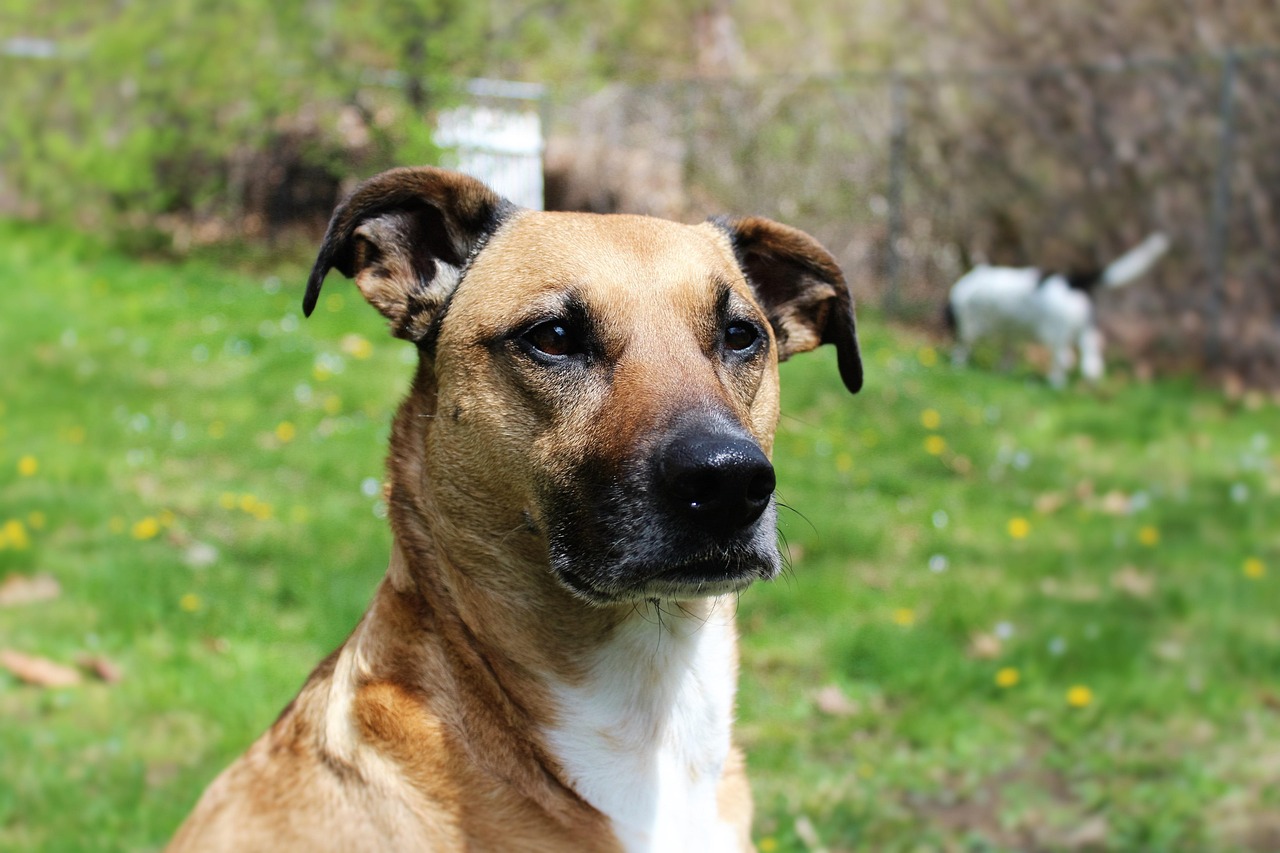

Promoting Responsible Pet Ownership Through Your Network
Building a rescue network is vital in promoting responsible pet ownership and creating a supportive community for rescuers and adopters. When you establish connections with like-minded individuals, you increase the chances of finding homes for dogs in need. Utilize social media platforms to share your mission and reach broader audiences. Create engaging content that highlights available dogs, their unique qualities, and the support offered by your organization. Regularly posting updates on dogs helps maintain visibility and encourages community interaction. Consider organizing local events, where prospective adopters can meet dogs from your network. Additionally, partnerships with local businesses can raise awareness and generate support for your cause. By fostering these relationships, you enhance your network’s potential for rescuing dogs and educating your community. Among the benefits, you can experience shared resources, like training services, veterinarian recommendations, and fundraising opportunities. Collaboration ensures a stronger presence in the community, empowering rescues to educate on responsible pet ownership, and emphasizing the importance of spaying and neutering. Well-informed and compassionate pet owners are essential for a healthy community, and you play a significant role in that through your network.
To further enhance your rescue network, consider implementing educational workshops aimed at current and prospective dog owners. Host sessions covering vital topics such as training, nutrition, and health care, which can help decrease the number of abandoned or mistreated dogs. Collaborate with veterinarians, trainers, and experienced pet owners to provide diverse perspectives and expertise. By establishing these workshops, you create an open platform for dialogue and advice-sharing between community members, fostering a sense of camaraderie among existing pet owners and potential adopters alike. Additionally, ensure that your resources facilitate convenient access to information. Design a user-friendly website or a dedicated social media page where visitors can easily find information about responsible pet ownership. Regularly update the content, share success stories from your rescue efforts, and give tips on caring for dogs. Make use of engaging infographics and videos to present information in a digestible manner. Promotion through digital channels will spread awareness and encourage community members to take part in these events. Through a well-informed community, everyone plays a part in the lives of the dogs who are seeking loving homes while minimizing the chances of neglect and abandonment.
Creating a Community of Compassion
Building an effective rescue network also involves creating a compassionate community for dog owners and lovers alike. Encourage empathy and understanding among all network members, promoting the importance of educating others about responsible ownership. As part of your outreach, create flyers or brochures that emphasize key messages such as adopting rather than buying, the significance of spaying and neutering, and understanding the commitment involved in pet ownership. Distributing these materials at community events, vet offices, and dog parks can reach potential adopters and educate them. In addition to educational outreach, encourage members to share their own stories and experiences. Personal accounts resonate with people and can inspire them to take action, whether that be through adoption or assisting your organization. Showcase these stories on your network’s website and social media, offering insight into the success and challenges faced in dog rescue work. By cultivating a culture of compassion and responsibility, your rescue network can impact the lives of countless animals. Emphasizing collective efforts fosters a supportive community where each member contributes to the larger mission of promoting responsible pet ownership.
Networking with local businesses can significantly bolster your rescue organization’s reach and impact. Restaurants, pet supply shops, and even gyms may be willing to partner with you to promote your mission. For example, you can organize fundraising events where a portion of sales goes towards your organization. Furthermore, feature dogs available for adoption during these events to raise awareness. Jointly hosting workshops or pet care seminars with these businesses can also provide valuable information for pet owners while fostering a sense of community. Engaging with businesses in your area can lead to mutually beneficial relationships that enhance your network’s efforts. Companies appreciate social responsibility and may see partnerships with your rescue as an opportunity to give back. Maintain these relationships by acknowledging their support through shout-outs on social media, thanking them during events, or featuring them on your website. Providing them visibility helps cement the collaboration, making them more likely to continue supporting your cause. It ultimately brings more people into the fold who are interested in responsible pet ownership and ensuring the welfare of dogs. Strong community ties can transform your network into a formidable force for positive change.
Utilizing Social Media for Outreach
Social media serves as a powerful tool for promoting your rescue network and encouraging responsible pet ownership. Platforms like Facebook, Instagram, and Twitter allow for visual storytelling and direct communication with the community. Share captivating images and videos of dogs in need, celebrate adoption success stories, and educate your audience on responsible pet care practices. Engaging with followers and responding to inquiries creates a dialogue that fosters inclusivity and support. Create engaging content that highlights the emotional aspect of adopting, showcasing the transformations and joy these animals bring to families. Utilize hashtags to increase visibility and connect with other rescues or pet-related organizations that can amplify your message. Collaboration with social media influencers and local advocates can further expand your reach, attracting more followers and potential adopters. Consider running targeted advertising campaigns to promote adoption events or urgent appeals for specific dogs needing homes. Regular interaction through live sessions can also address questions and concerns regarding pet adoption and care. By harnessing the potential of social media, you can effectively shape perceptions around animal welfare and responsible pet ownership in your community.
Furthermore, all forms of outreach should focus on the importance of spaying and neutering pets. Implement educational programs that emphasize the necessity of these procedures to combat overpopulation effectively. Collaborate with local veterinarians to offer discounted or free spay/neuter services, if feasible. By providing access to these essential procedures, you not only aid in community education but also work towards creating a sustainable and responsible pet ownership culture. Highlight the long-term benefits of spaying and neutering, such as reducing the risk of certain health issues and behavioral problems in dogs. Regular community campaigns can provide additional support and create an open discussion about common misconceptions surrounding these procedures. Distributing brochures with statistics and facts can also be effective in dispelling myths and encouraging responsible practices among pet owners. Creating a culture that values spaying and neutering is an essential step in preventing future animal welfare crises. Through proactive measures and consistent community engagement, your rescue network can play a pivotal role in changing perceptions and behaviors centered around pet ownership.
Fostering Long-term Relationships
As your rescue network grows, prioritize building long-term relationships between adopters and your organization. Following up with adopters after they take home a new pet offers support and guidance during the adjustment period, ensuring a smoother transition for both the dog and its new family. Establishing a post-adoption program can help maintain a connection with the community and encourage responsible pet ownership practices. Send regular newsletters with pet care tips, exclusive events, or updates about your organization. Create platforms for former adopters to share their experiences and success stories, fostering connections within your community. This community of support not only enhances the lives of adopted dogs but can also encourage others to adopt as they see the joy dogs bring to families. Implementing programs such as “Adopter Appreciation Days” can bring together past adopters and showcase their dogs in a celebratory environment, emphasizing the positive impact of adoption. These ongoing relationships help solidify your network’s mission while continuously advocating for responsible pet ownership. Remember that each successful adoption story is a testament to your organization’s efforts and dedication.
Finally, gathering feedback from adopters and community members can provide invaluable insight into improving your rescue network and its efforts. Regularly conduct surveys, and requests for testimonials to understand better the community’s perception and needs. Understanding what works well and areas that may need enhancement will help refine your strategies and programs. Engaging with your supporters can help foster loyalty and commitment toward your organization’s mission. Genuine feedback can also be a source for creating impactful content that highlights your network’s achievements, which you can share on social media and newsletters. Communication with your community paves the way for building trust and encouraging more people to participate in your cause. Incorporating their suggestions not only elevates your organization’s visibility but also empowers community members to take an active role in promoting responsible pet ownership. By fostering a culture of feedback, you create a responsive and adaptive network that thrives on collaboration aimed at improving the lives of dogs and their owners in your area. Such a community can significantly raise awareness about responsible pet ownership while simultaneously reinforcing rescue efforts.