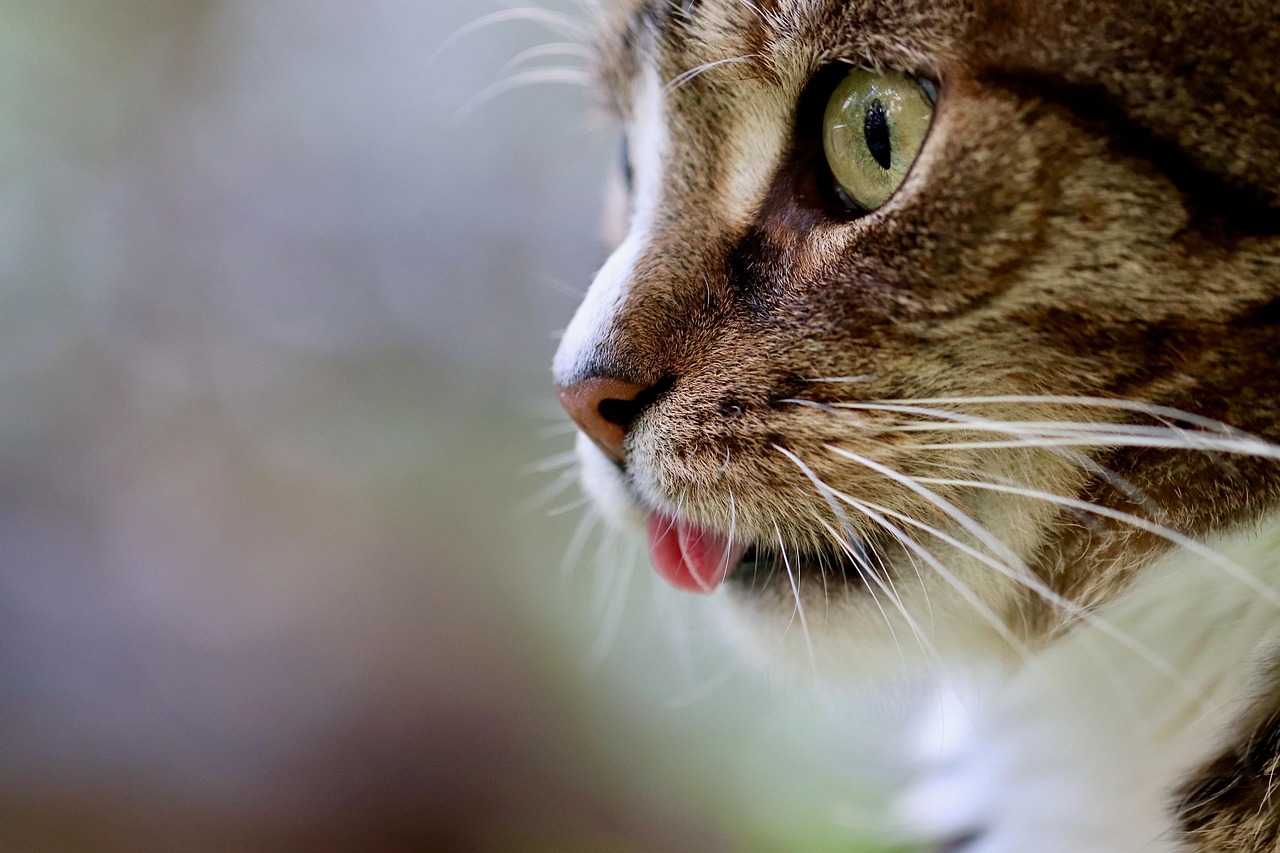

Vaccination Guidelines for Indoor vs. Outdoor Adult Cats
Maintaining a proper vaccination schedule for adult cats is crucial in ensuring their health and longevity. Indoor cats generally have fewer risks of exposure to infectious diseases compared to outdoor cats. However, it does not mean that indoor cats should skip vaccinations. Core vaccines, including rabies, feline viral rhinotracheitis, calicivirus, and panleukopenia, are vital for both indoor and outdoor cats. Discuss with your veterinarian the specific vaccines required, based on your cat’s lifestyle and health status. Cats often receive these vaccines starting at an early age, followed by boosters every one to three years depending on the specific vaccine and the cat’s needs. Outdoor cats need additional vaccines due to their increased exposure to pathogens, which necessitates regular health checks and vaccinations. Common recommendations for outdoor cats include feline leukemia virus (FeLV) and feline immunodeficiency virus (FIV) vaccinations, given their susceptibility to these diseases. You should evaluate your cat’s risk factors and development path carefully before deciding on vaccines. Regular veterinary check-ups help keep your cat in optimal health.
Understanding the vaccination process is essential for every cat owner. Following the schematic approach is effective. While using general health guidelines, you can create a personalized vaccination plan for your cat after conversations with your vet. Generally, adult cats receive initial vaccinations as kittens. These are later followed by booster shots based on age and potential exposure. Vaccinating outdoor cats against FeLV is important given their increased exposure to infections. Importantly, each vaccine aims to stimulate the cat’s immune response to handle these diseases should they encounter them later. For indoor cats, depending on additional factors such as age and health, optional vaccines may be discussed. Vaccination protocols evolve, and it is advisable to frequently check latest recommendations from veterinary authorities like the American Association of Feline Practitioners (AAFP). Understanding your cat’s behavior, environment, and health is crucial when selecting appropriate vaccines. You can also monitor side effects post-vaccination. Adverse reactions can occur but are typically mild and temporary. Being informed allows you to make well-rounded decisions regarding the health and wellness of your beloved pet.
Preventative Care & Vaccination
Preventative care, including regular vaccines, significantly reduces the likelihood of disease and extends lifespans. Vaccination is a crucial component of preventative care. Adult cats, both indoor and outdoor, should maintain an up-to-date vaccination schedule tailored to their individual needs. To do this, consult your veterinarian regularly and schedule annual check-ups. During these visits, your vet may perform a thorough physical examination while reviewing your cat’s vaccination history to identify any missed doses promptly. Some diseases can be difficult to manage once contracted, which makes prophylactic care important. Both indoor and outdoor cats should still be vaccinated against rabies, as it is a legal requirement in many areas. Leptospirosis, while more prevalent in certain environments, is also worth discussing. Additionally, regular testing for FIV and FeLV is vital for outdoor cats who may be exposed to cat populations in community environments. You may consider transitioning to a more structured care routine, where yearly exams encompass vaccinations, ensuring your cat remains healthy while minimizing health risks. By following these guidelines, you’re giving your pet prolonged health and enrichment.
Keeping track of vaccinations and health records will enhance your overall understanding of your cat’s health. Create a dedicated file for crucial documents like records of vaccinations, treatment history, and health observations to maintain a comprehensive health profile. This document will help when visiting the veterinarian and making health-related decisions. Many vaccine schedules can be found online, providing a clear guide to follow; however, customization based on individual health concerns should always be prioritized. You may choose to use specialized apps for pet health tracking to simplify the process. These apps can send reminders for upcoming vaccinations or medical check-ups, ensuring no appointments slip through the cracks. Additionally, consider logging any observed behavior changes in your pet or details of standardized vaccinations. Keeping an open line of communication with your vet about any concerns is key. Such a proactive approach allows for prompt action in case of changes in health condition. It is often said that an ounce of prevention is worth a pound of cure, emphasizing the long-term benefits of organized and timely healthcare for your adult cat.
Common Vaccinations for Adult Cats
The vaccinations regime for adult cats typically includes core and non-core vaccines. Core vaccines are essential for all cats due to the highly contagious nature of the diseases they protect against. As mentioned earlier, rabies is mandated by law in many regions. While rabies vaccinations occur typically before a cat reaches six months of age, subsequent boosters should be administered to maintain immunity over the years. Other core vaccines include feline panleukopenia, rhinotracheitis, and calicivirus vaccines, which function to protect against serious feline illnesses. Non-core vaccines are administered based on the cat’s risk factors and avoid disease exposure. In outdoor environments, the risk for diseases such as FeLV and FIV rises significantly, hence consider these vaccines crucial for outdoor cats. While indoor cats generally have fewer risks, individualized vaccination discussions with your vet remain paramount. Moreover, considering the importance of these vaccines can potentially prevent major health crises down the track. Pet owners should not underestimate the peace of mind brought by proactively vaccinating against these common feline diseases.
Understanding the critical role of vaccines in your pet’s well-being will foster responsible pet ownership. Awareness of vaccination timelines and the veterinary process enhances not just your cat’s health but also brings a reassuring sense of assurance for owners. Cat vaccinations not only protect the individual pet but also support public health efforts by minimizing disease transmission among pet populations. Furthermore, combining vaccination protocols with preventive methods such as proper diet and regular check-ups amplifies positive outcomes. You should evaluate your cat’s environment regularly and engage in discussions about any lifestyle changes that may affect their health. Providing indoor enrichment can lessen stress and promote mental health, while also ensuring outdoor cats have a suitable safe haven to reduce risk exposure. Throughout the course of your cat’s life, continuous education about health management will empower you to adapt your care practices. Thus, fostering strong bonds while keeping your feline friend safe and healthy should always be a priority. Remember, a well-informed and prepared pet owner ultimately leads to healthier cats and a happier home.
Conclusion
In conclusion, maintaining a tailored vaccination schedule for your adult cat cannot be overstated. Whether your furry friend enjoys the comforts of indoor life or the wild adventures outdoors, every cat deserves comprehensive preventive care. Regular veterinary visits and vaccines not only shield your pet from dangerous diseases but also protect those around them, creating a healthier pet community. Making pet health a family affair can enrich the overall well-being of your family and create lasting memories together. Pet ownership involves commitments, and vaccinations are an integral part of this journey. Let your love for your cat extend beyond feeding and grooming; embrace the health responsibility with mindfulness. Evaluate lifestyle changes, understand vaccination needs, and keep records meticulously. Doing so can ensure your cat receives optimum preventive care while achieving a happy and rewarding life. This ongoing process reflects well not only on your pet’s health but also assists in building a stronger relationship with them. Ultimately, informed pet owners will lead to litter boxes filled with happy, healthy felines, bringing joy to families everywhere.
A life well-lived for your feline friends is a shared responsibility, and adhering to vaccination schedules is the first step in ensuring a wonderful journey together.