
Frequently Asked Questions About Cat Dental X-rays
Cat dental X-rays are essential in identifying various dental problems that may not be visible to the naked eye. These X-rays allow veterinarians to see beneath the surface of your cat’s teeth and gums. With this diagnostic tool, they can detect issues such as impacted teeth, root decay, and bone loss. Typically, these procedures require your cat to be under anesthesia, ensuring they remain still during the imaging process. Many cat owners often worry about the safety of anesthesia; however, experienced veterinarians take every precaution. They conduct comprehensive pre-anesthetic evaluations to minimize risks. Furthermore, the benefits of utilizing X-rays far outweigh the potential risks. Dental issues can lead to severe health problems, including infections, pain, or systemic illnesses. Proper dental care combined with regular dental X-rays can significantly enhance your cat’s quality of life. Regular check-ups and dental cleanings will ensure the health and longevity of your feline companion. Timing and monitoring of dental X-rays will depend on your cat’s dental health, age, and breed characteristics.
As pet owners, understanding more about cat dental X-rays can help us make informed decisions regarding our cats’ health. One common question is how often these X-rays should be performed. For most cats, a dental check-up that includes X-rays should be conducted annually or every two years, depending on their dental condition. Older cats or breeds known for dental problems may need X-rays more frequently. Many pet owners wonder about the costs involved as well. Dental X-rays usually vary depending on your location and veterinarian practice. While it might seem an extra expense, they are a crucial component of preventive health care. Early detection of dental diseases can save you from costly treatments later. Additionally, taking care of your cat’s dental health could prevent further systemic issues. Many veterinarians also provide tips and resources for at-home dental care, which can greatly benefit your pet’s well-being. Following your vet’s guidelines and consistently monitoring your cat’s dental health will ensure their mouths remain Pain-free and healthy.
The Importance of Cat Dental X-rays
Dental issues in cats are often more severe than many owners realize. Without regular dental check-ups and X-rays, pet owners may not identify diseases until they become critical. X-rays enable vets to assess the health of the teeth’s roots and the supporting bone structure, making them invaluable for accurate diagnosis. Through X-ray imaging, hidden problems like abscesses, tumors, or fractures can be discovered early. Early detection leads to effective treatment options, decreasing your cat’s discomfort and increasing the chances for successful interventions. Furthermore, understanding the dental anatomy of your cat can help you recognize subtle signs of distress, prompting timely veterinary visits. Knowing how significant dental X-rays are, you might still be unsure about the procedure’s duration. Generally, the X-ray process is quick and usually doesn’t take more than an hour. The actual imaging period is quite short, but preparing your cat beforehand may take additional time. Your pet’s overall health is paramount, and keeping their dental health in check is one way to navigate that.
When it comes to feline dental care, a common dilemma pet owners face is distinguishing between routine dental cleanings and when X-rays might be necessary. While general cleanings often suffice initially, X-rays become increasingly essential if issues arise. If your cat exhibits signs such as drooling, difficulty eating, or swollen gums, it may be time to seek veterinary help. An X-ray can help pinpoint underlying causes. This diagnostic tool upgrades your understanding of your cat’s dental health. Dental X-rays also facilitate follow-ups for prior dental treatments, allowing your veterinarian to assess healing. Regular assessments will help determine how effective past procedures have been and what steps to take next. Recording your cat’s dental history during routine visits can also be advantageous. Your vet will track changes over time and create a tailored approach to your pet’s dental care. Moreover, certain breeds have hereditary dental issues, causing them to be more susceptible to problems. Being proactive about your cat’s dental health can ultimately save you both time, money, and stress.
Understanding Dental X-ray Images
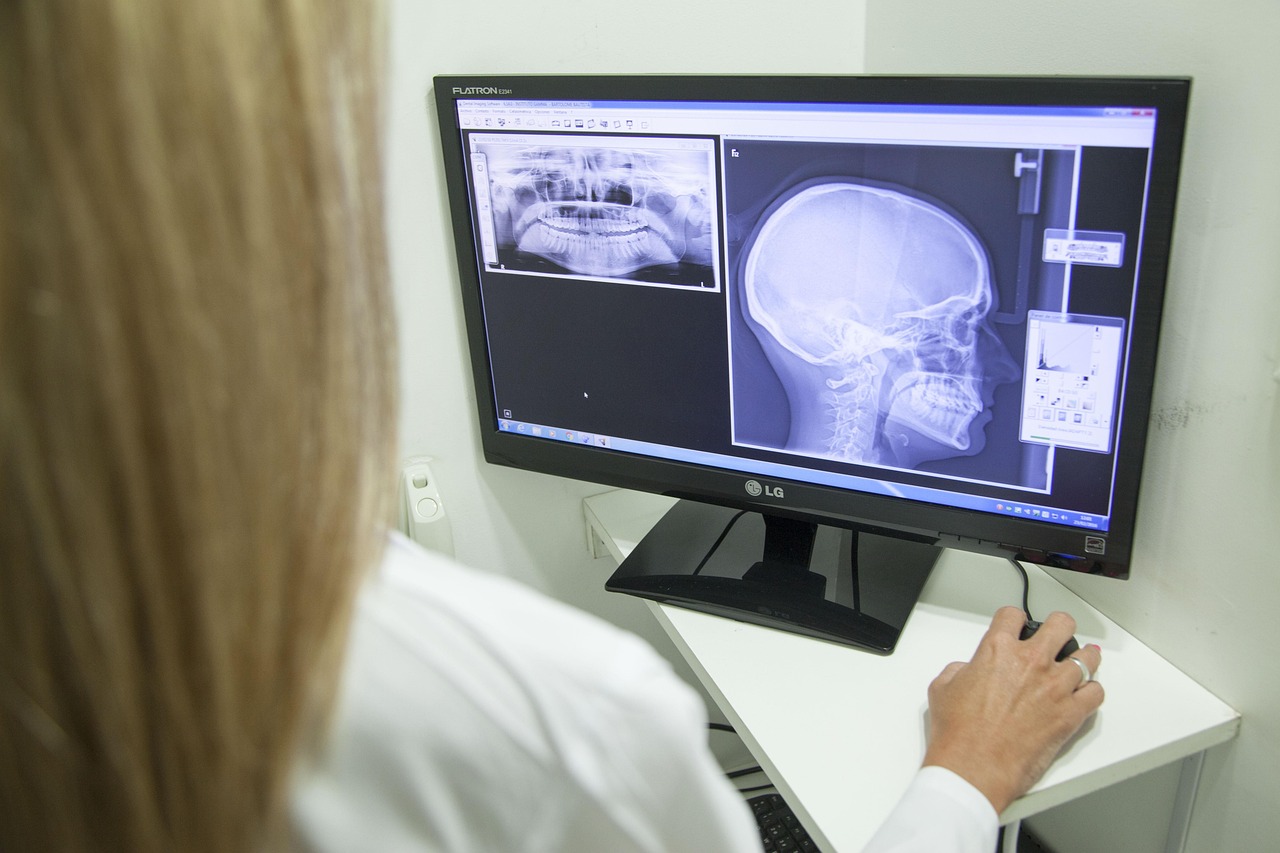
For those unfamiliar with dental X-ray images, interpreting them can be a challenge. It’s essential to grasp that the images portray different perspectives of your cat’s oral health. A qualified veterinarian will analyze these images to glean detailed information about your cat’s teeth and surrounding structures. Dental X-rays usually depict teeth roots, bone surrounding the teeth, and other critical structures. Abnormalities can manifest as dark spots, missing teeth, or areas of bone loss. Detecting these issues promptly is essential for creating a targeted treatment plan. Once the vet reviews the X-rays, they may discuss findings and recommend appropriate treatment options with you. Treatment might involve cleaning, tooth extractions, or other procedures as needed. Understanding the potential ramifications of untreated dental issues is key to ensuring your cat’s well-being. It is important to openly communicate with your veterinarian regarding any concerns or questions about the X-ray results. Following their professional advice will ensure you’re effectively managing your cat’s dental health.
Another frequent inquiry relates to the discomfort level associated with cat dental X-rays. Many pet owners worry that their cat might experience pain during the procedure. Generally, cats are sedated prior to X-rays, eliminating any discomfort associated with immobilization. The anesthesia ensures that they remain calm and unaware during the imaging process, resulting in a stress-free experience for both the cat and the veterinary team. Post-procedure, your cat may take some time to recover from anesthesia, leading to temporary grogginess or disorientation, but this quickly resolves. Additionally, understanding the aftercare instruction given by the veterinarian is crucial. Ensuring your cat remains well-hydrated and calm after the procedure can improve their recovery. Also, you might be advised on pain management if any dental work was performed following the X-rays. Always adhere strictly to the post-operative care recommendations shared by your veterinarian. Paying attention to any changes in behavior or eating habits post-X-ray can also prove insightful. Keeping track of these factors will ensure your cat remains healthy in the long term.
Long-term Benefits of Regular X-rays
The long-term benefits of consistent dental X-rays cannot be overstated, especially for the longevity and health of your cat. Regular monitoring can help prevent serious illnesses down the line. Cats often hide pain, so establishing a routine with dental X-rays can catch issues before they escalate. This proactive approach saves not only the cat from painful experiences but also prevents large financial expenditures in severe treatment scenarios. Equally beneficial is the improvement in your cat’s quality of life. Felines that experience pain from untreated dental issues often show behavioral changes, affecting their emotional well-being. Investing in your cat’s dental health directly impacts their happiness and comfort level. Furthermore, establishing a solid understanding and protocol can assist in educating fellow pet owners about the importance of dental care. Sharing your experience regarding the significance of dental X-rays can help foster a community of awareness and diligence amongst pet owners. This shared knowledge amplifies the commitment to elevating the standards of care for pets everywhere, ensuring brighter futures for our furry companions.
Ultimately, being an informed pet owner equips you to advocate better for your cat’s health.. Learning about dental X-rays and their implications enables you to have insightful conversations with your veterinarian. Always be ready to ask questions regarding your cat’s dental needs and X-ray findings. Armed with knowledge, you can take actionable steps and make pivotal decisions regarding your cat’s overall wellness. Regular veterinary visits and open communication with your vet will keep your cat healthy and happy. Keeping dental care a priority allows your cat to have a longer, healthier life. Furthermore, organizing a regular dental maintenance routine from an early age, even while they’re still kittens, ensures that you lay down a foundation for lifelong oral health. The insights gained from monitoring your cat’s dental health can inform future care decisions as they age. Generally, all this means greater peace of mind for you as a pet owner. Focusing on preventive care and dental health will enhance your cat’s quality of life. In conclusion, ensure that regular dental X-rays form a part of your pet’s preventive health care strategy.