
How to Design a Kidney-Friendly Diet for Your Cat
Feeding cats with kidney problems requires special consideration regarding their unique dietary needs. Identifying the right balance of nutrients is essential to support kidney function and overall health. First, consult your veterinarian to determine the best approach for your cat’s specific situation. They may recommend a reduced protein diet; however, protein should not be eliminated completely, as it plays a crucial role in maintaining muscle mass. Selecting high-quality, easily digestible protein sources can aid in reducing the kidney’s workload. Additionally, it is vital to ensure that your cat remains well-hydrated. Providing plenty of fresh water or offering wet food can help maintain kidney health. Consider looking for specialized low-phosphorus diets, as phosphorus can put a strain on the kidneys. Monitoring your cat’s weight is also critical, as weight loss could signal worsening kidney function. To ensure your cat’s nutritional needs are met adequately, consider incorporating vet-approved commercial diets that offer all essential nutrients while being gentle on the kidneys. Above all, regular check-ups are crucial to maintain your cat’s well-being through its dietary journey.
When formulating a kidney-friendly diet for your feline friend, there are several vital factors to keep in mind. First, reduce sodium intake because high sodium levels could lead to hypertension and exacerbate kidney conditions. Choosing low-sodium alternatives or preparing homemade meals might prove beneficial. Moreover, it’s crucial to identify appropriate carbohydrate sources. While cats are obligate carnivores, including digestible carbohydrates can provide extra calories without overburdening their kidneys. Consider incorporating vegetables like sweet potatoes or pumpkin, which can serve as valuable fiber sources. Nevertheless, not all carbs are suitable, so always double-check lists of safe foods to ensure your cat’s diet remains safe. Another essential component is omega-3 fatty acids which can help reduce inflammation. It’s beneficial to include fish or fish oil in moderation for this purpose. However, the key is to remain vigilant about portion sizes to prevent excess calories. Furthermore, keep a consistent feeding schedule to help catch any potential issues early on. Also, recognizing your cat’s individual preferences can make meals more enjoyable, encouraging them to eat and stay hydrated.
Commercial Diets for Kidney Health
Many cat food brands offer specialized diets designed to support kidney health, and understanding these options can be invaluable. These formulas generally prioritize low protein and low phosphorus while maintaining essential vitamins and minerals. When exploring these products, it’s essential to assess the ingredient lists. Look for options that list high-quality proteins and include nutrients like L-carnitine and DHA. Some brands even introduce antioxidant-rich ingredients, such as blueberries and cranberries, that can promote overall health. Check for labels that mention being veterinary-approved, which enhances their credibility. Transitioning to a commercial diet should be done gradually, mixing the new food with the old, and increasing the proportion of the new food over several days. This gradual change can help prevent gastrointestinal upset. Additionally, always ensure that the chosen diet aligns with your cat’s life stage, as kittens, adults, and seniors have differing nutritional requirements. While these specialized diets can be more expensive, investing in quality nutrition can significantly improve your cat’s quality of life and potentially extend their lifespan.
Homemade diets can be another option for cats with kidney problems but require careful planning. Consult your veterinarian or a veterinary nutritionist to design a balanced diet tailored to your cat’s needs. Homemade meals allow for a tailored approach that can suit your cat’s specific preferences. Additionally, adjust the diet to your cat’s ongoing condition over time to adapt to changes in kidney function. A common homemade meal could include lean proteins like chicken or turkey, but use caution with organ meats due to higher phosphorus levels. Furthermore, use rice or oats as carbohydrate sources but monitor closely how your cat reacts to different foods. Supplementation with essential vitamins and minerals might also be necessary, as some homemade diets might lack certain nutrients. Introducing flavor enhancers like low-sodium broth can encourage feeding. Always keep an eye on portion sizes, as excessive feeding can lead to weight gain, complicating kidney issues. Finally, documenting your cat’s reactions carefully will help you refine their diet progressively for optimal health.
Monitoring Your Cat’s Progress
Regular monitoring of your cat’s health is crucial when managing a kidney-friendly diet. Schedule periodic check-ups with your veterinarian to assess kidney function through blood tests and urinalysis. These tests can provide insight into any necessary dietary adjustments required to support their health comprehensively. Additionally, paying attention to any changes in your cat’s behavior, appetite, and overall energy levels can signal potential problems. Weight fluctuations should also be monitored closely; either weight loss or sudden weight gain should prompt a veterinary check. Keeping a food diary can prove beneficial in tracking what your cat eats, observing patterns, and assessing reactions to new foods. This can provide essential information to your veterinarian for analysis. Consider tracking any medications your cat might be taking, as these can impact dietary requirements. Staying informed about your cat’s kidney health and adjusting their diet in response to any changes can make a tremendous difference in their quality of life. Consistency is key, and small changes can often lead to significant improvements.
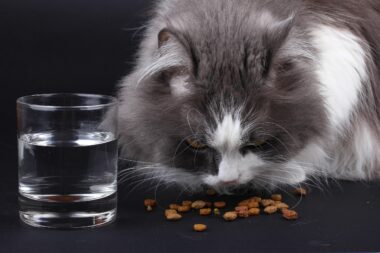
Creating a conducive feeding environment can also impact your cat’s appetite and overall health benefits. Cats with kidney issues may benefit from a relaxed setting. Ensure their feeding area is quiet and free from distractions, promoting a comfortable eating experience. Consider using separate bowls for food and water to encourage hydration. Placing the water bowl near their food can be a helpful tactic as well. Moreover, serving food at room temperature can make it more appealing compared to cold or straight out of the refrigerator. Monitor your cat’s response to different serving methods, such as using shallow dishes, which can be more comfortable for older or arthritic cats. Furthermore, incorporating feeding puzzles can provide mental stimulation and make mealtime exciting. These interactive feeders can promote slow eating, which may aid digestion and prevent overeating. Keeping their feeding routine consistent can also provide structure, further enhancing their comfort during meal times. Lastly, experimenting with various flavors and textures can help discover what your feline enjoys most, making their meals a rewarding experience.
Conclusion and Final Tips
Designing a kidney-friendly diet for your cat is a thoughtful process that demands attention to detail. While there are many considerations in this journey, remember the crux lies in consultation with your veterinarian. Knowledge of your cat’s condition coupled with professional guidance is paramount. Understanding the importance of hydration, protein quality, and finding low-phosphorus food options is essential when providing care. Remember to regularly monitor their health and be attuned to their preferences to keep mealtime enjoyable. Seek veterinary-approved diets if preparing homemade meals, and don’t shy away from utilizing specialized commercial options available on the market. Most importantly, embrace the journey as a partnership focused on improving your beloved pet’s quality of life. Consistency, patience, and love will go a long way in keeping your cat healthy and happy. Adapting the diet as needed and maintaining regular veterinary visits will ensure effective management of kidney issues. With a proactive approach, you can support your cat’s health and enjoy many more cherished moments together in the years to come.
Being aware of the signs of kidney problems in cats is vital. Early detection can significantly improve outcomes. Look for behavioral changes such as increased thirst, urination, decreased appetite, or lethargy. Any shifts in grooming habits or noticeable changes in weight deserve immediate attention. If you notice bleeding in the litter box or foul-smelling breath, seek vet intervention as these signify serious issues. Regular communication with your veterinarian about any concerns is important to address potential problems swiftly. Cardiac issues can arise parallel to kidney conditions with dehydration or poor appetite, indicating serious health concerns. Providing kidney-friendly diets in a supportive environment can also enhance your cat’s overall health. Consider every aspect of their care, combining dietary management with regular health checks. Ultimately, your effort to provide a tailored, kidney-friendly diet contributes significantly to your cat’s wellness. Overcoming the challenges associated with kidney problems requires dedication. Continuous effort can create a lasting impact, ensuring longevity and quality of life. Always seek to strike a balance between nutrition and enjoyment for your feline companion.