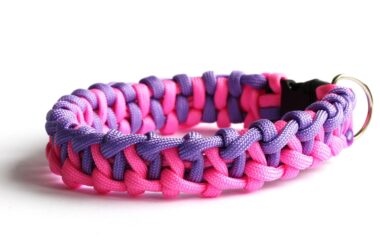
Understanding Dog Collars
Dog collars come in many varieties, each serving specific purposes during training sessions. Understanding each type can improve your dog’s training effectiveness. Some popular types of collars include flat collars, choke collars, prong collars, and head collars. A flat collar is ideal for general identification and basic leash training. It is essential to choose a collar that fits snugly but comfortably. Choke collars are controversial; they can inflict pain if misused, thus requiring special expertise. Prong collars, often misunderstood, can be effective for training larger, more stubborn breeds, offering gentle pressure to discourage pulling. Head collars are designed to provide more control over a dog’s head, helpful for dogs that are strong pullers. Knowing when to use each type can help achieve better results in obedience training. Additionally, selecting the right material for your dog’s collar is vital as this impacts their comfort and safety. Keep in mind that no collar is a substitute for proper training methods. Instead, collars should complement your training approach and be used alongside positive reinforcement techniques to achieve the best behavioral results.
Setting the Right Atmosphere for Training
Choosing the right environment to train your dog with collars is essential to success. A quiet, distraction-free area is ideal for initial training sessions. This setting allows your dog to focus on learning without environmental distractions. Gradually introducing your dog to more challenging environments prepares them for real-world scenarios. Start your session indoors or in a fenced yard, ensuring safety and comfort. Use a timer to maintain short, engaging training intervals, which sustains your dog’s attention. When practicing basic commands using a collar, ensure to employ clear, concise cues. Repetition is key during this initial phase; reward your dog with treats and verbal praise when they respond correctly. When switching to a collar that applies slight pressure, gradually increase its use without sudden corrections. Make sure that your dog associates collar use with positive experiences to avoid fear or anxiety. A well-structured training session should include breaks to prevent overstimulation. Understand that patience and consistency are critical, allowing your dog to learn at their pace. As training progresses, you can consider the introduction of new equipment to enhance their instruction.
Choosing the Right Collar for Training
Different collars serve different training needs, and on picking a collar, understanding the unique features and uses is important. A flat collar is an excellent choice for leash training and everyday use. However, for dogs prone to pulling, more specialized options might be necessary. Choke collars should be used with caution—they can harm your dog if not applied correctly. If stability and control are what you’re aiming for, a prong collar may be beneficial when used under professional guidance. This collar type provides controlled pressure that guides your dog to follow commands without inflicting pain. Another option is the head collar, which gently steers your dog’s head, making walk control easier. When selecting a collar for your dog, fit is crucial; it should neither be too tight nor too loose. Measure your dog’s neck and ensure that you can fit two fingers comfortably under the collar. Also, consider the collar material: durable options are preferable for active dogs, while adjustable collars allow for growth in puppies. Always opt for quality over price as this affects your dog’s training effectively.
Utilizing Positive Reinforcement with Collars
While collars can guide your dog’s behavior, combining them with positive reinforcement enhances your training results. Positive reinforcement involves rewarding appropriate behavior with treats, praise, or play. Begin training sessions by establishing a connection between the collar and something desirable. For instance, allow your dog to wear the collar during playtime, gradually incorporating commands they enjoy. Once they associate the collar with fun, commands become easier to follow. When practicing commands using the collar, keep rewards ready and immediately reinforce good behavior. Timing is crucial; reward your dog right after they perform the desired action to reinforce the behavior. Ensuring that your dog experiences more positive interactions with their collar makes them more willing to respond during training sessions. Using gentle techniques when correcting mistakes helps to avoid anxiety, which fosters a more cooperative training atmosphere. Additionally, a clicker can be combined with this method for precise reinforcement paired with visual cues. By building this positive association over time, your dog will feel more confident wearing the collar during training exercises.
Collar Safety Tips
Ensuring your dog’s safety during training is paramount; thus, attention to collar safety is crucial. Regularly check your dog’s collar for signs of wear and ensure the fit remains appropriate as they grow. A collar that is excessively loose may slip off, and a tight collar can cause discomfort or injury. Always keep in mind that dog collars should be taken off during unsupervised playtime. When using training collars, follow manufacturer instructions closely to avoid accidental injury. Remember, collars should not replace effective training; they should simply aid your efforts. Never leave any collar on your dog while alone or during playtime with other dogs, as it poses potential choking hazards. Pay particular attention to specialized collars like prong and choke collars; misuse can cause physical harm. Always monitor your dog’s reactions, especially when introducing new collars. If your dog shows signs of discomfort or fear, consider consulting a professional trainer before continuing use. Ensuring your dog’s comfort and safety allows for a successful training experience, ultimately leading to a well-behaved companion.
Evaluating Training Progress
Tracking the effectiveness of using collars in training is essential to understanding your dog’s progress. Keeping a training journal helps record behaviors, successes, and challenges encountered during each session. This documentation offers insights into what methods and collars work well for your dog. Regularly assessing your dog’s progress can help rewrite training strategies when necessary and adjust collar types if certain techniques aren’t yielding expected results. Each dog is an individual; what works for one may not work for another. Celebrate small victories, such as mastering basic commands, which can motivate both you and your dog. Frequent evaluation allows you to remain flexible in your approach, ensuring the training remains enjoyable for your dog. If progress stagnates, it might be time to consult a professional trainer for additional strategies. Additionally, don’t forget to include breaks and fun activities as rewards during training, which keeps your sessions engaging. Evaluate not just the training effectiveness but also how your dog behaves with the collar during everyday life. Successful training emphasizes both results and the overall well-being of your furry friend.
Conclusion: Building a Lasting Relationship
Effective training with different types of collars not only teaches obedience but also strengthens the bond with your dog. It’s essential to cherish the time spent training together, making learning enjoyable for both you and your pet. Integrating love, patience, and understanding into your training regimen creates a positive atmosphere. When used correctly, collars foster communication, promoting trust while developing essential skills. Training requires consistency; don’t rush results, as each dog learns at its pace. Celebrate progress without focusing on perfection, allowing for mistakes as a natural part of the learning process. Remember, the goal is to build a well-rounded and positive relationship with your dog, which extends beyond the training sessions. You’ll find that patience paid off in the long run enhances both your and your dog’s lives. Furthermore, as a responsible dog owner, it’s vital to stay informed about best training practices continuously. Consistently learning and applying new techniques can provide unexpected benefits, ensuring a happy and harmonious life together. Ultimately, the effort spent on training ensures a rewarding companionship that lasts a lifetime.