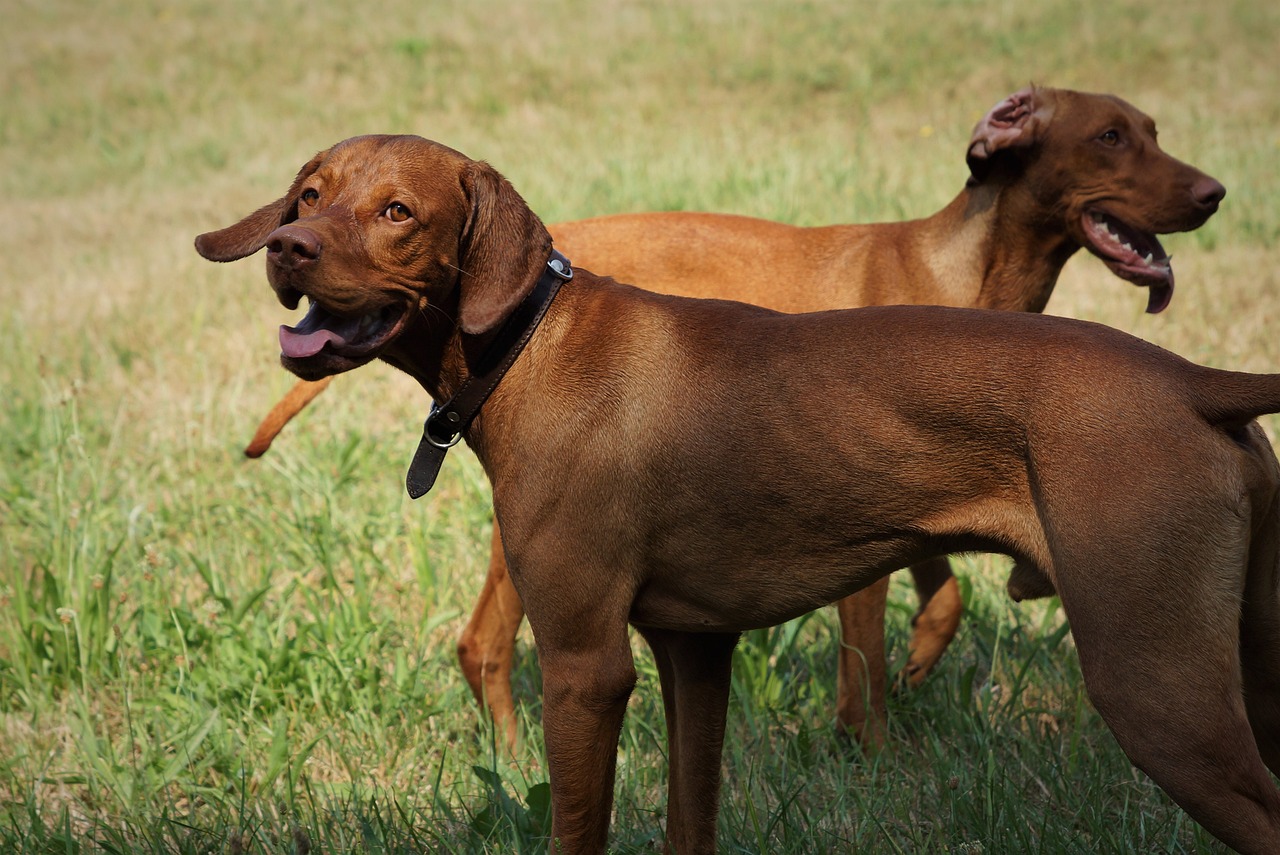

Animal Welfare Laws Affecting Hunting Dogs
In many regions, animal welfare laws significantly impact hunting dogs and their specific handling during hunting activities. These laws not only ensure the humane treatment of dogs but also regulate various hunting practices to promote responsible ownership and adherence to ethical standards. Legal requirements often dictate the conditions under which hunting dogs can be trained and utilized, emphasizing the necessity of a safe and supportive environment for these animals. Moreover, animal welfare regulations require hunters to maintain adequate care for their dogs, including sufficient feeding, proper veterinary care, and protection from extreme weather conditions. Understanding these laws is essential for hunters who rely on their dogs for hunting activities. Thus, hunting dog owners should stay informed about local and state laws regarding hunting practices to ensure compliance and safeguard their dog’s well-being. The consequences for neglecting these responsibilities can be severe, including legal penalties and risk to the dog’s health. Advocacy groups also play a crucial role in promoting proper training and handling methods, enhancing both the dog’s well-being and the hunting experience. This intricate balance reflects the complex relationship between hunting culture and animal welfare considerations.
Animal welfare laws often serve as a foundation for protecting hunting dogs, implementing strict guidelines to foster their safety and health. One key aspect of these laws includes regulations against cruel treatment, which encompasses any action that may cause harm or suffering to dogs during hunting. Such regulations highlight the importance of maintaining a humane approach when using dogs for sport. Responsible hunters must ensure that training methods align with accepted humane practices, avoiding any form of punishment that could lead to psychological distress or physical harm. Additionally, many regions require that hunting dogs are properly socialized to reduce risks during hunting activities. In this context, it’s essential to provide the dogs with the necessary training prior to participating in hunts. Furthermore, compliance with these welfare laws can significantly enhance the relationship between the hunter and the dog, establishing trust and promoting an effective partnership. As advocacy for animal rights continues to grow, it is crucial for hunters to align with current laws, utilizing humane methods while respecting the needs of their canine companions during the hunting season.
Many of the regulations outlined in animal welfare laws also address breeding practices for hunting dogs. This includes ensuring that breeding adheres to established standards designed to promote health and temperament qualities conducive to a successful hunting experience. Legal stipulations may require breeders to conduct health screenings to minimize the risk of genetic diseases in their dogs, ultimately enhancing the well-being and longevity of hunting breeds. Furthermore, laws often impose restrictions on the number of offspring a breeding pair can produce within a certain timeframe, effectively controlling overpopulation and contributing to the welfare of both dogs and the community. Ensuring that hunting dog breeders follow these practices is paramount in sustaining a healthy population of hunting dogs. Hunters are encouraged to work with breeders who prioritize the humane treatment of their dogs through responsible breeding techniques. This leads to more capable and healthier hunting dogs, enabling improved performance in the field. Furthermore, responsible breeding practices can lead to fewer dogs being abandoned or neglected in shelters, thus promoting a more sustainable and compassionate approach to hunting with dogs.
Training Regulations for Hunting Dogs
The training of hunting dogs must align with animal welfare laws to ensure that the techniques employed are both humane and effective. Many jurisdictions have instituted specific regulations regarding how dogs should be trained for hunting purposes. This includes prohibiting harsh training methods that may induce fear or anxiety in the dog. Instead, modern training practices highly endorse positive reinforcement approaches, which encourage desired behaviors while strengthening the bond between dogs and their trainers. Implementing these humane techniques is vital, as they enhance a dog’s performance in hunting scenarios and positively impact its overall well-being. Additionally, certification programs for trainers are becoming more common, helping ensure that individuals involved in training adhere to established standards for humane treatment. Hunters should actively seek out trainers who prioritize animal welfare in their training methods. This not only contributes to the dogs’ mental and physical health but also fosters a community of responsible hunters who respect the lives of their dogs. As public awareness of animal welfare issues increases, adherence to humane training methods will likely become even more critical within the hunting community.
The legal implications for violating animal welfare laws concerning hunting dogs can be significant. Hunters found to be neglecting their responsibilities may face penalties which range from fines to criminal charges, depending on the severity of the infraction. Such consequences highlight the importance of compliance and ensure that dogs remain protected under the law. It is imperative for hunters to be familiar with these legal obligations and continually assess their practices to avoid any potential issues. Authorities may conduct inspections or investigations if there is a complaint regarding a hunting dog’s treatment, which can lead to legal ramifications. Moreover, animal welfare organizations often monitor and report on hunting practices, contributing to the enforcement of these laws. This growing public interest brings a sense of accountability for hunters, compelling them to uphold the highest standards of care. In turn, this partnership between the hunting community and animal welfare advocates helps protect hunting dogs, ensuring that they are treated ethically. Understanding these legal frameworks supports better hunting practices that prioritize safety and well-being for both hunters and their dogs.
Public perception of hunting practices involving dogs is also influenced by ongoing discussions surrounding animal welfare. Many individuals are increasingly aware of animal rights issues, contributing to an evolving dialogue regarding hunting ethics and responsible practices. Consequently, hunters are often encouraged to adopt practices that not only comply with the law but also reflect community values regarding animal welfare. Engaging with local communities through education on humane hunting practices can help bridge gaps in understanding and promote a more balanced perspective on hunting with dogs. Additionally, incorporating public feedback can lead to better training and handling methods, as well as improved welfare standards for hunting dogs. Collaboration between hunters, veterinary experts, and animal welfare organizations fosters a culture that respects both the sport and the animals involved. This increased communication can address misconceptions and promote awareness of the importance of treating hunting dogs with respect and dignity. As hunters continue to evolve within this context, they play a crucial role in shaping positive perceptions related to hunting practices.
Future Directions in Dog Hunting Laws
As society’s views on animal welfare continue to change, it is likely that there will be further developments in dog hunting laws. Future regulations may prioritize the well-being of hunting dogs, setting higher standards for their care, training, and use in the field. Emerging trends indicate a potential shift towards greater transparency in hunting practices and increasing demands for documented proof of compliance with welfare standards. As both advocacy groups and the public call for increased accountability, hunters may find themselves facing new requirements for training and certification processes. Additionally, there could be a growing emphasis on collaboration between hunters and animal welfare organizations, working to establish best practices that reflect evolving community standards. Future legislation may also focus on comprehensive training programs that emphasize positive reinforcement techniques while safeguarding the welfare of hunting dogs. Moreover, advancements in technology may aid in monitoring compliance with these laws through tracking devices and data collection. Ultimately, the ongoing dialogue surrounding dogs in hunting will undoubtedly shape future regulations and responsibilities, reinforcing the importance of ethical hunting practices.
In conclusion, understanding the various aspects of animal welfare laws affecting hunting dogs is critical for responsible hunters. By adhering to these regulations and implementing humane practices, hunters can protect their dogs and contribute to a positive narrative about hunting culture. Engaging with local communities, trainers, and animal welfare organizations allows hunters to stay informed and adapt their practices, ensuring that they respect animal rights while participating in hunting activities. Continuous education regarding responsible ownership and treatment not only fosters a healthier environment for hunting dogs but also improves the sport’s reputation. The connection between effective hunting techniques and well-cared-for dogs demonstrates that commitment to animal welfare can enhance hunting performance. In summary, legal obligations and public perceptions are shifting, influencing how hunting dogs are treated. Emphasizing humane training, responsible breeding, and ethical practice presents a roadmap for hunters who seek to uphold both tradition and welfare. As new laws are developed, hunters must remain vigilant and adaptable, ensuring they align with best practices while supporting the health of their hunting dogs. Through these efforts, the hunting community can thrive in a manner that respects both the sport and its canine partners.