
First Aid Medication Checklist for Dog Owners
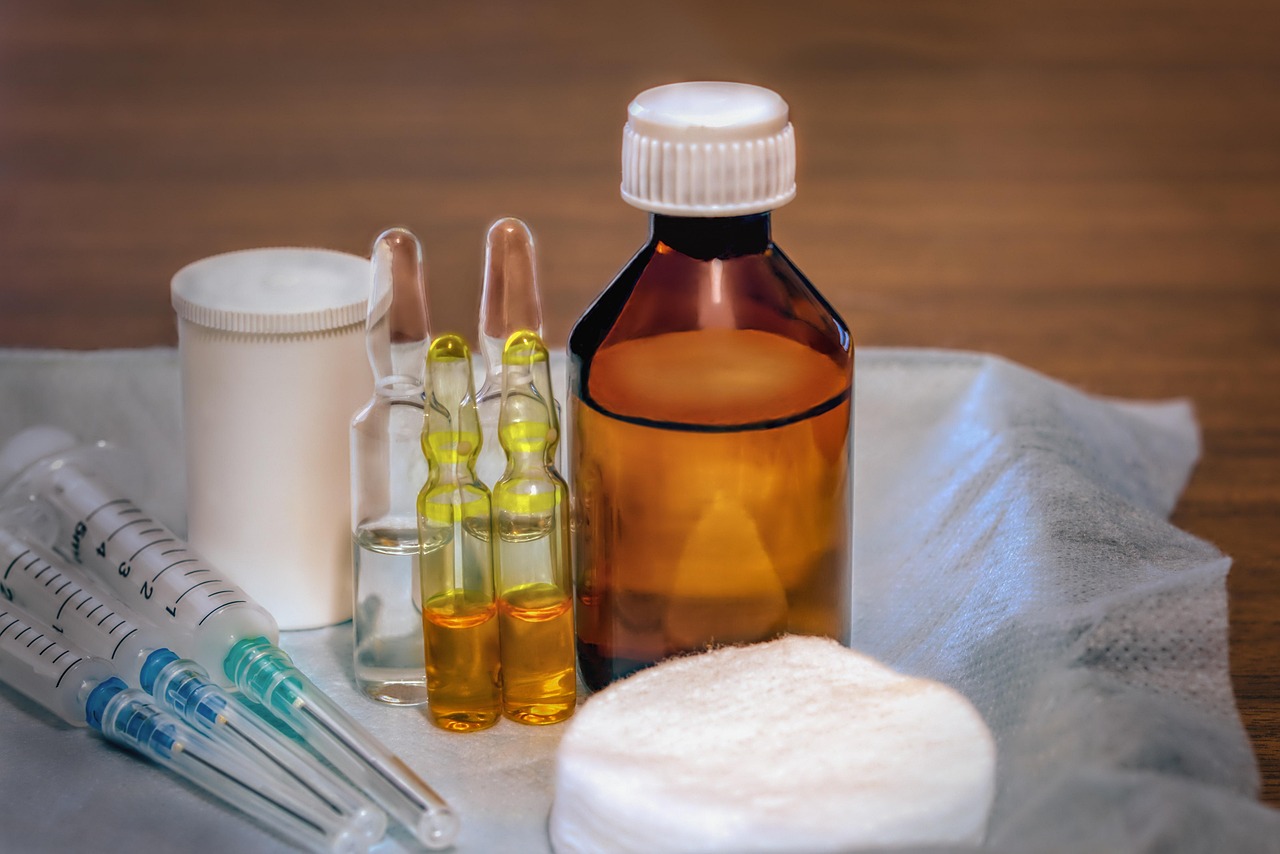
Having a comprehensive first aid kit for your dog is crucial. This kit should include essential medications to treat minor injuries or illnesses. Start by including antiseptic wipes, gauze pads, and adhesive tape. Furthermore, consider adding a digital thermometer suitable for dogs, as monitoring their temperature can help identify health issues. Always have antihistamines like Benadryl, but verify the dosage with your vet. A lubricating eye drop may help to soothe irritated eyes. Additionally, include a syringe or dropper to administer liquid medications accurately. All medications should be clearly labeled with their names and expiration dates, and ensure that your dog has a record of any allergies. Also, maintain a list of emergency contact numbers for your vet and local animal hospitals. Regularly check the first aid kit to keep it stocked and updated. Store it in an accessible location, ensuring all family members know where it is. Lastly, familiarize yourself with basic first aid procedures for dogs, as knowing how to react in emergencies can save precious time and potentially your dog’s life.
Knowledge of when to administer medication to your dog is vital. Always follow your veterinarian’s advice on any prescribed medications and their dosages. Never use human medications unless your vet specifically says they are safe for your pet. For instance, certain pain relievers are toxic to dogs. Keep records of all medications administered, including dosages and times given. This helps prevent overdosing and facilitates communication with vets during emergencies. When giving tablets, consider hiding them in a treat or use a pill pocket for easier administration. However, always check that the food is safe for dogs. For liquid medications, use a syringe or dropper to aim directly into the back of the throat for maximum effectiveness. Timing is crucial, as medications may need to be given at specific intervals, such as every 8 to 12 hours. Be observant for any adverse reactions after administering medication, and know what to look for. If adverse reactions occur, contact your vet immediately. Your vigilance helps ensure that your dog receives the best care possible.
Monitoring Your Dog
Regularly monitoring your dog after giving medication is essential to ensure their safety and comfort. Understanding the signs of potential side effects or adverse reactions can help you react quickly. For instance, look for changes in behavior, such as increased aggression or lethargy. Additionally, gastrointestinal disorders may include vomiting or diarrhea, which should be monitored closely. Pay attention to breathing patterns. If your dog exhibits labored or unusually rapid breathing, it may denote a serious issue requiring immediate vet attention. Always keep an eye on their appetite; any sudden changes may warrant a consultation with your vet. Document any potential side effects, including the time and nature of the reaction. If you suspect an allergic reaction, such as swelling or hives, seek immediate veterinary care. In addition, some medications may require follow-up visits for monitoring side effects or complications. Schedule these appointments as indicated. Finally, educate all family members involved in the dog’s care about the importance of monitoring after medication. This promotes teamwork and ensures consistent care, as everyone is aware of potential signs of distress.
It’s also vital to understand the expiration dates of all medications included in your dog’s first aid kit. Date the medications upon opening and dispose of any that are expired. Expired medications can lose their effectiveness or even become harmful over time. It’s best practice to rotate supplies, ensuring you always have current medications on hand. If applicable, keep a reminder on your calendar for semi-annual checks of the first aid kit. Consider digital reminders or use a whiteboard at home to track upcoming expiration dates. Additionally, when replacing medications, carefully review instructions regarding storage conditions. Some medications may require refrigeration, while others should be kept at room temperature, away from sunlight. Ensure your first aid kit is well-organized, as searching for items during an emergency can lead to delays in treatment. Use labeled, clear containers for easy identification of supplies. Moreover, take a first aid class specific to pets. These classes can provide valuable information about administering medications and performing first aid, further empowering you to help your dog in emergencies.
Emergency Protocols
In the event of an emergency, having protocols in place can make a significant difference. Familiarize yourself with the steps to take when your dog encounters a hazardous situation. First, evaluate the situation to ensure your safety. If your dog is injured, approach cautiously. If they seem frightened, speak calmly to help soothe them. Next, knowing what to keep on hand for emergency situations is vital. Have items like a muzzle for aggressive behavior, as injuries can cause panic. Maintain clear contacts for your local emergency animal hospitals. List these numbers in your first aid kit and carry them in your phone. When you reach out, describe symptoms clearly to ensure appropriate advice. Always remember to remain calm, as dogs can perceive stress and anxiety. If possible, use a leash to secure your dog while transporting them to the vet. Be prepared to provide information about any treatments or medications they have received. Create a plan on how to handle various emergencies, including poisoning or choking. Regularly discuss this plan with family members, ensuring everyone is informed and ready to act.
Considering alternative or natural remedies can also play a role in your dog’s medication safety. Some dog owners find success using holistic treatments in conjunction with traditional medicine. However, always consult your vet before introducing any new treatment. Natural supplements like omega-3 fatty acids can promote overall health and well-being, but the proper dosage is essential. While herbal remedies may offer benefits, their efficacy is often less documented. Research reputable sources that discuss these remedies’ safety and effectiveness for dogs. Keep in mind that not all natural substances are safe; some can interact negatively with prescription medications. Maintain an open dialogue with your veterinarian about your dog’s complete health routine, including any supplements. This enables them to offer guidance based on your dog’s unique needs. It’s also helpful to read about other dog owner experiences with natural treatments. Join online communities or forums to gather insights but take recommendations cautiously. Ultimately, the safety and health of your dog should always be the top priority.
Final Thoughts on Dog Medication Safety
In conclusion, prioritizing your dog’s medication safety is vital for their well-being. Being proactive, educated, and prepared will equip you to handle emergencies effectively. Take the time to regularly review and update your first aid kit, keeping medications current and secure. Familiarize yourself with dosage instructions and specific needs, ensuring that any treatments your dog receives align with professional advice. Be vigilant about observing your dog for signs of discomfort after medication administration, as this early detection can prompt necessary action. Furthermore, engaging in continuous education about pet first aid can enhance your ability to care for your dog. Consider attending workshops specifically about pet first aid and medication protocols. This will not only improve your skills but also boost your confidence in handling emergencies. Share the knowledge acquired with family members, ensuring everyone is equally prepared. Finally, always maintain open communication with your vet. A strong veterinarian-client relationship will empower you with the necessary support when questions arise about your dog’s health and medication safety.
Stay informed and connected with others who share your interest in dog care. Join local groups or online forums that focus on dog health and first aid. Surrounding yourself with pet-savvy people can provide additional resources and ideas for maintaining a safe environment for your dog. Learning from the experiences of others can guide you on best practices for medication safety. Collectively, sharing and discussing challenges enhances the dog owner’s community knowledge base. Keep abreast of emerging treatments and safety guidelines, as veterinary medicine is consistently evolving. Stay connected with your veterinarian about any changes in protocols or new medications on the market. Consistent collaboration improves overall care experiences for your furry friend. Trust your instincts and knowledge while being receptive to additional learning and partnerships with pet professionals. Regular communication with your vet ensures you are both aligned on the best possible outcomes for your dog’s health. Become an advocate for canine health and education, sharing your experiences to empower other dog owners. Remember that knowledge is power, especially concerning the health and safety of your beloved pet.