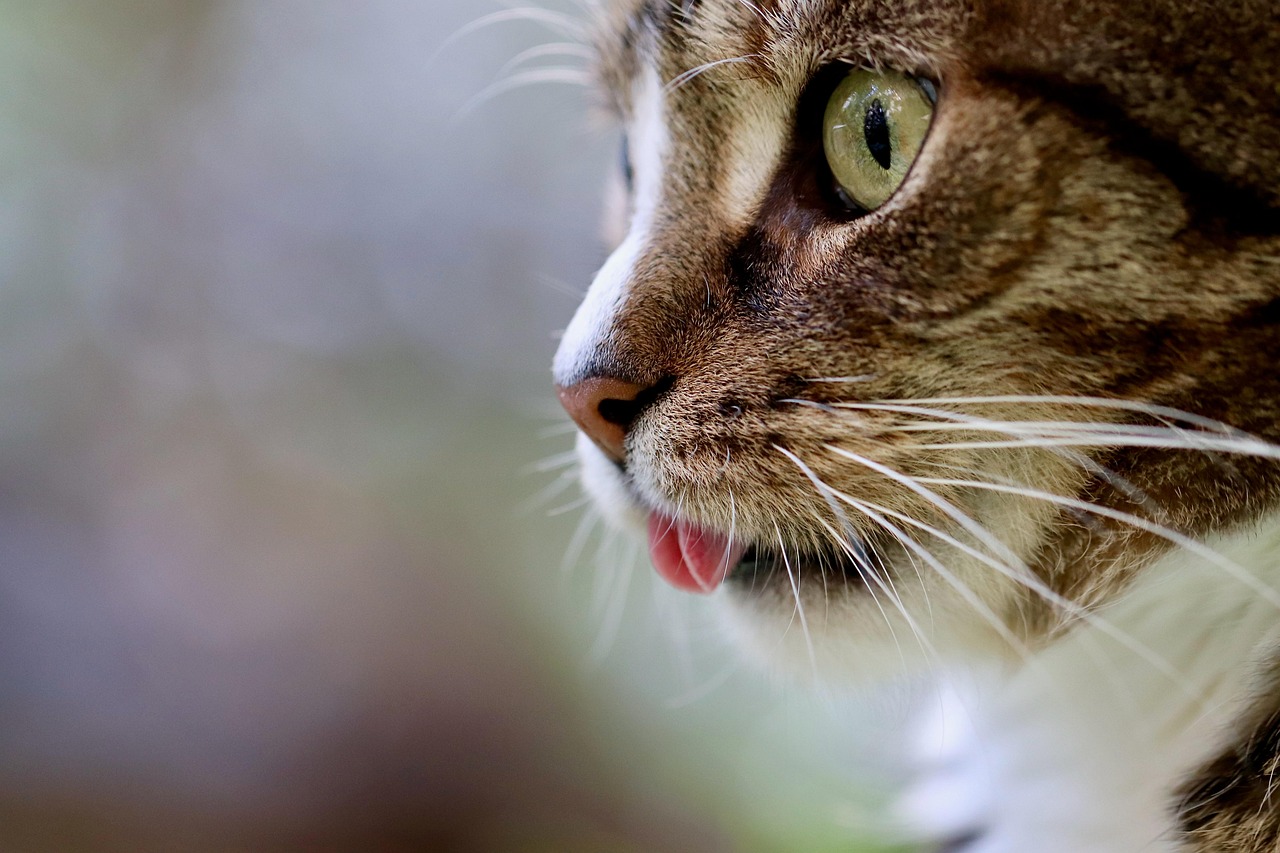

How Saliva Testing Can Help Diagnose Oral Diseases in Cats
Understanding the role of saliva in feline oral health is essential for diagnosing conditions that may affect a cat’s wellbeing. By analyzing saliva samples, veterinarians can uncover indicators of dental diseases that aren’t visible during routine examinations. Saliva contains proteins and enzymes that provide valuable insights into a cat’s overall health and can reveal specific oral diseases. These diseases can severely affect a cat’s quality of life, especially if they remain untreated. Saliva testing allows for a non-invasive method to assess a cat’s dental health, which can benefit both the animal and owner by reducing stress during treatment. Research indicates that certain biomarkers in saliva change when an animal has an oral disease, offering a direct link to diagnosing these conditions accurately. Consequently, saliva testing becomes a vital tool in preventative care for cats. If identified early, treatment options can be more effective. This proactive approach can minimize pain and improve the quality of life for affected cats, making saliva testing a critical aspect of modern veterinary care. Cat owners should discuss this testing method with their veterinarians for better understanding.
Saliva not only aids in food digestion but also plays a protective role. It neutralizes acids and maintains the balance of oral microbiota essential for dental health. When cats experience oral issues, this balance can be disrupted, leading to problems like gingivitis or periodontal disease. By using saliva testing, veterinarians can measure these protective factors and assess inflammation levels within the mouth. Understanding the underlying cause of dental diseases requires accurate data, which saliva testing readily provides. This kind of analysis reveals any imbalances in the oral environment that may promote disease development. With comprehensive data from saliva, veterinarians can tailor treatment methods specifically suited to each cat’s condition. Beyond just diagnosing diseases, testing can help evaluate the effectiveness of treatment with repeated analyses over time. Regular monitoring of oral health through saliva analysis represents a significant advance in feline healthcare. Owners can gain peace of mind knowing their pet’s dental health is being carefully tracked. Thus, saliva testing represents a critical step forward in ensuring our feline companions remain healthy and free from painful oral diseases.
The Importance of Dental Health in Cats
Maintaining dental health is crucial for cats, as oral diseases can lead to serious health problems. Poor dental hygiene can result in tooth loss, chronic pain, and severe infections that may spread to other organ systems. Moreover, dental health directly influences overall feline wellness. Understanding these connections, veterinarians emphasize preventive dental care strategies, including regular cleanings and check-ups. However, many owners are unaware of the specifics concerning their pet’s dental hygiene. By emphasizing the significance of saliva testing, veterinarians can raise awareness among cat owners about the importance of early detection of oral health issues. Cats are notorious for hiding pain and discomfort, making preventive care even more vital. Owners often miss subtle signs of dental problems, such as changes in eating habits or behavior. Saliva testing enables proactive measures to be taken before serious complications develop. This method can lead to innovations in dental care solutions, improving the lives of our feline companions. Educating pet owners about the benefits of saliva analysis strengthens the partnership between them and their veterinarians, enhancing the level of care each cat receives.
Saliva testing can also aid in the identification of various bacterial profiles present in a cat’s mouth. Different bacterial strains correlate with specific oral conditions, allowing for more targeted therapies. By obtaining a saliva sample, veterinarians can assess microbial populations and determine if harmful bacteria are predominating. In cats, the presence of certain bacteria is linked to conditions such as stomatitis and aggressive periodontal disease. The data gathered through saliva testing can help develop an effective treatment plan. Adjustments can be made according to the cat’s unique microbial profile, enhancing the chances of successful treatment outcomes. This tailored approach minimizes adverse effects and maximizes therapeutic efficiency. Cat owners can expect to see improvements in their pet’s behavior and comfort levels as effective treatments address underlying problems. In the long run, an individualized treatment strategy driven by saliva analysis can lead to healthier, happier cats. Through such proactive measures, veterinarians can prevent mild issues from becoming serious and costly. It also empowers owners with knowledge that fosters better decision-making regarding their pets’ dental care.
The Future of Feline Dental Care
The evolution of veterinary dental care is entering an exciting phase due to technological advancements in saliva testing. As research progresses, the potential for saliva analysis will expand, enabling even more precise diagnostics. Future developments may allow veterinarians to identify genetic predispositions to dental diseases, providing further insights into preventative care. As a result, personalized dental health strategies will likely become the norm rather than the exception. Continuous education and awareness among pet owners will also play a vital role. Engaging educational materials, such as interactive webinars and newsletters, can promote understanding of feline dental health issues. Additionally, integrating saliva testing into routine check-ups can help normalize its use, proving its crucial role in maintaining pet health. Veterinary schools are beginning to incorporate saliva testing practices in their curricula, preparing future veterinarians for this advanced approach. The medical community’s enthusiasm for non-invasive testing methods supports a shift in how cat oral diseases are approached. In the long run, comprehensive research into saliva testing can unlock greater insights into broader health issues affecting pets.
Another factor driving the insistence on saliva testing is the increasing burden of dental disease among cats. Statistics show that a significant percentage of cats suffer from dental problems. Awareness is crucial in reducing the prevalence of these conditions. Many cat owners fail to recognize the signs of dental distress, often attributing changes to normal aging. However, through effective education and tools like saliva testing, they can deliver optimal oral care. Saliva testing can become a powerful ally in an owner’s toolkit for preventative veterinary measures. Through comprehensive diagnostics, owners can proactively address oral health concerns before they escalate. Regular discussions with veterinarians about the importance of saliva testing empower pet owners and can reinforce responsible pet ownership practices. As more case studies highlighting the success of saliva testing emerge, more cat owners will likely adopt this approach to maintain their pets’ dental health. Through informed care, owners can foster a robust, flourishing feline community where oral diseases become rare rather than commonplace. Because of this collective effort, the future of feline dental health looks promising.
Conclusion
In conclusion, understanding the implications of saliva testing for oral health can transform the care we provide for our cats. The importance of routinely monitoring dental health cannot be overstated. By utilizing saliva analysis, we gain a deeper understanding of our feline companions’ wellbeing. Coupling this with proper dental practices emphasizes the importance of prevention rather than reaction. The knowledge gained from saliva testing can inform treatment strategies and enhance our approach to feline care. Conversations between veterinarians and pet owners about oral health implications will further drive this understanding and utilization of modern veterinary practices. Through collaborations built on shared knowledge, the odds of effective disease management will continue to improve. As long as owners remain committed to fostering better habits and education, cats will experience remarkable advancements in dental healthcare. A forward-thinking attitude towards feline health empowers both cats and their owners, leading to happier and healthier lives. Ultimately, the success of this approach rests on the hands of informed owners, engaged veterinarians, and ongoing research. Together, they can help create a future where oral diseases in cats are recognized early and treated effectively.
This article emphasizes the essential role of saliva in the world of feline dental health. By understanding how saliva analysis can aid in identifying oral diseases, cat owners can protect their pets from severe complications. The modern veterinary practices employing these methodologies pave the way toward healthier futures for our felines. Those considering this testing method should engage in informative discussions with their veterinarians, promoting awareness and improved pet care practices. As knowledge and technology progress, the potential of saliva testing will continue to expand. Cats can no longer be left in pain due to undetected dental issues. Proactive measures involving saliva testing represent a significant step forward in preventative veterinary care. Collaboration between pet owners and veterinarians will remain paramount in ensuring awareness about oral health becomes commonplace. As we adapt to these advancements, the future of feline dental care appears promising and supportive of improved health outcomes. Long-lasting benefits from vigilant monitoring through saliva testing offer a pathway forward in ensuring our feline companions thrive. Together, we can make certain that each cat enjoys a lifetime of health and wellbeing.