
Integrating Grooming and Socialization for Healthier Dogs
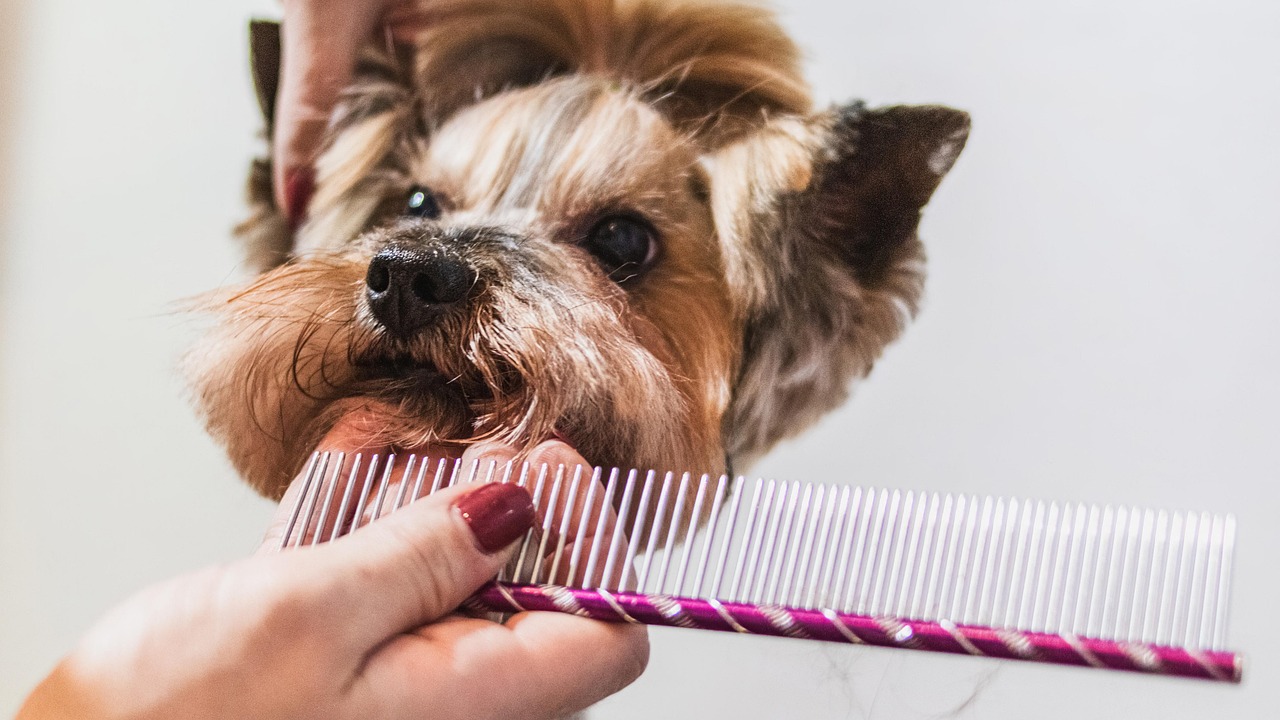
Grooming and socialization are essential components in maintaining a happy and healthy dog. Proper grooming practices help ensure that your furry friend looks good and feels comfortable in their skin. Regularly brushing their coat removes dirt and prevents matting, which can cause skin issues. Grooming sessions also allow owners to check for any abnormalities like lumps, ticks, or skin irritations that may require veterinary attention. Furthermore, during these spa days, dogs can experience gentle handling that builds trust and fondness towards human touch. The grooming process provides a valuable opportunity for socialization with other people and pets. When dogs become accustomed to being around humans and other animals, they learn to navigate different social environments better. Good grooming practices combined with positive social experiences contribute to the dog’s overall well-being. Dogs that are well-groomed and socialized are often more confident and easier to train. This can decrease anxiety and behavior issues, leading to a more enjoyable companionship. Ultimately, integrating grooming with socialization practices creates positive experiences that promote health and happiness for dogs.
It’s crucial to start socializing your dog early, especially when they are puppies. Puppies are like sponges, absorbing all the experiences around them. The critical age for socialization is between three to fourteen weeks. During this time, negative or positive interactions shape their personalities and behavior. Early exposure to various environments, sounds, people, and other animals solidifies their confidence. When these experiences are coupled with grooming, puppies learn that being touched and handled is a pleasant experience. Owners can expose them to grooming tools, like brushes and nail clippers, in a positive manner. This integration not only prepares them for future grooming but also makes visits to professional groomers and vets stress-free. Socialization should involve different settings such as parks, pet stores, and even busy streets where various stimuli abound. Slowly introducing them to these environments can lessen future fears and anxiety. Consistently supporting your puppy during these interactions helps them learn appropriate behaviors around unfamiliar faces. Nurtured properly, a well-socialized dog grows into a more sociable and well-adjusted adult. These early experiences are invaluable in building a solid foundation for lifelong social skills.
During grooming sessions, positive reinforcement can enhance the association between grooming and socialization. Using rewards like treats, praises, and petting can further build a dog’s confidence in these interactions. Additionally, varying locations for grooming can change the routine, making it less monotonous for your dog. Inviting friends and their pets over for grooming playdates can expose dogs to social situations while they enjoy necessary grooming tasks. These friendly gatherings offer opportunities for safe interactions and fun experiences. Ensuring positive associations during these events is vital; negative experiences can lead to fear or resistance during grooming. You might consider attending pet grooming workshops to learn more about effective methods and techniques. Along with enhancing your own skills, your dogs will benefit from new environments and smells. Consistency is key when melding grooming and socialization. Creating patterns in which both activities occur reinforces their importance. Every time your dog enjoys grooming, pair it with enjoyable playtime or other desired activities. By developing routines that foster both grooming and social interactions, owners can notice an overall improvement in their dog’s temperament. This harmonious approach equips dogs with due social skills for varying interactions as they grow.
Benefits of Dual Practices in Dog Training
The combination of grooming and socialization practices enhances a dog’s life by providing numerous benefits. Firstly, these dual practices promote better health outcomes. When dogs receive regular grooming, their coat remains clean and healthy, reducing the risk of infection or skin allergy. Socialization helps condition a dog’s immune system.Taking them to dog parks or playgroups regularly exposes them to other animals’ germs, which helps build their natural resistance. Next, pets who undergo both grooming and social experiences tend to have improved behavior. They are more used to being handled and are less likely to react negatively to touch or handling in critical situations. This reinforces ease during essential grooming tasks like nail clipping or ear cleaning. Grooming also possesses therapeutic effects, relieving stress for both the dog and owner. The act of grooming can bond the two, releasing oxytocin, the love hormone, within both parties. A calm and relaxed dog also fosters a more favorable environment for training. Overall, implementing these practices is an investment in the dog’s quality of life.
Incorporating grooming and socialization into your routine can be seamless, making it an enjoyable part of life with your dog. A simple way to initiate this is by starting grooming slowly at home using familiar tools. Begin touching their paws, brushing their coat, or cleaning their ears while giving them treats. Conduct this exercise regularly until the dog is comfortable with these routines. Subsequently, invite other pet owners over to participate in a fun grooming day, enhancing social interactions while taking care of essential grooming tasks. Arrange playdates with well-behaved dogs to ensure a safe environment for social experiences. Enjoying games together can turn intimidating grooming tasks into enjoyable activities. Additionally, dog training classes also serve as an excellent opportunity to intertwine grooming and socializing. These classes often focus on obedience training while providing a proper platform to meet other dogs. Regular participation in these classes can condition dogs to cope with new environments and handle unfamiliar faces gracefully. The result is a dog that is not only groomed but also socialized effectively.
Choosing the Right Tools for Grooming
Selection of appropriate grooming tools is paramount for ensuring effective grooming practices that also serve to socialize your pet. Quality brushes are essential depending on your dog’s coat type, as improper tools can cause discomfort or skin irritations. Invest in a range of tools that cater to your dog’s unique needs. Also, utilize dog-friendly nail clippers to maintain their paw care without stress. It is crucial to familiarize your dog with these items gradually. By associating grooming tools with rewarding experiences, your dog will view them positively. Keep the grooming area comfortable and welcoming. Create a designated grooming space free from distractions that can lead to anxiety. Alongside this, ensure you have treats on hand to reward positive behavior, even during grooming time. Doing so can help them connect grooming with pleasant experiences. Lastly, it’s important to praise your dog frequently during these sessions. Notice their good behavior and reward it. Over time, this positive relationship with grooming tools can translate to smoother grooming experiences, allowing you to integrate socialization practices with ease.
Beyond the physical aspects of grooming and socialization, these practices also facilitate emotional bonding between dogs and their owners. Spending quality time through grooming strengthens the owner-dog relationship, fostering trust and loyalty. A dog that feels secure in their human’s presence is more likely to exhibit positive social behavior. As they learn to respond to commands and cues during grooming, they strengthen their bond through consistency. Additionally, practicing grooming provides behavioral management opportunities; observing your dog during these periods allows for better understanding of their body language and moods. Integration of both practices can reassure dogs during stressful experiences, enhancing their ability to manage in unknown situations. Owners should remember that social experiences do not require large groups; small, controlled gatherings with a few friends or neighbors can suffice in ensuring social health for the dog. Ultimately, weaving grooming with socialization contributes to a well-rounded, confident, and emotionally secure dog. Their adaptability and resilience will flourish as these practices become part of their daily lives. Enhanced connections lead to happier, healthier pets.
In conclusion, the symbiotic relationship between grooming and socialization cannot be overstated. Each aspect complements the other, resulting in a comprehensive approach to raising a well-adjusted dog. Creating positive experiences within both areas promotes less anxiety, improved health, and fosters a stronger owner-dog bond. From early beginnings with puppies through adulthood, the lessons learned during grooming and socialization will last a lifetime. A well-groomed dog is easier to manage in social settings, which translates to successful interactions with both humans and other animals. Building routines that incorporate both practices can significantly enhance a dog’s capacity to interact confidently in various environments. Tying grooming techniques and social opportunities together means less stress for the dog and a more enjoyable experience for the owner. The benefits clamor to be recognized, ensuring both emotional and physical well-being for your canine companions. Innovative practices in grooming and socialization pave the way for capable guardianship and healthy interaction. Embracing these integrated practices helps mitigate behavioral issues, promote social harmony, and tremendously enrich the companionship every owner seeks. Ultimately, investing in grooming and socialization leads to a nurturing and flourishing life for any dog.