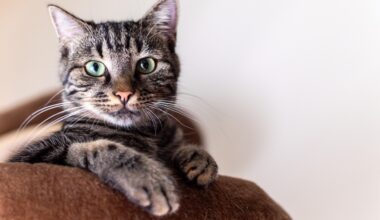

Limping and Mobility Issues: Detecting Pain in Cats’ Movement
Cats, despite their independence, can suffer from pain just like any other animal. Recognizing signs of discomfort in your feline friend is crucial for their health and wellbeing. Limping is one of the most noticeable manifestations of pain. A cat that limps may adjust its walking style to avoid putting pressure on the affected limb. This can be a significant indicator of injury, arthritis, or other painful conditions. Observing your cat’s behavior is essential; if they seem reluctant to jump or play, it might suggest an underlying issue. Monitor your cat closely for any changes in movement patterns and habits, such as limping on one of their limbs. Often, you might notice a subtle change, such as them favoring one leg over another, or hesitating before leaping onto higher surfaces. If you observe these disruptive changes in their mobility, it is essential to seek veterinary help. By intervening early, you can alleviate discomfort and improve their quality of life significantly. Regular check-ups can also help you detect potential mobility issues before they escalate.
Understanding the root causes of limping in cats can help in effective treatment and management. Pain in cats can arise from various sources, including injuries, fractures, or even soft tissue damage. Conditions like arthritis are also common in older cats, causing crippling pain and mobility issues. If your cat is limping, don’t delay their veterinary assessment, as timely diagnosis is critical. During examination, your vet will assess for any visible injuries, swelling, or tenderness around the limbs. They might recommend diagnostic imaging like X-rays to further investigate underlying bone or joint issues. Concurrently, observe other behaviors such as changes in appetite or grooming, which can indicate overall health. Some cats exhibit signs of aggression or irritability when they’re in pain, highlighting their discomfort. These behavioral changes should not be overlooked, as they represent a significant shift in your cat’s usual demeanor. Begin keeping a journal to log your observations, including dates, behaviors noted, and any other relevant information. This documentation will be invaluable for your veterinarian, assisting in crafting the best treatment plan for your beloved pet.
Physical symptoms paired with behavioral changes in your cat can signal mobility problems requiring attention. Cats that avoid climbing stairs or lose interest in play might experience discomfort affecting their movement negatively. Limping can stem from various conditions, thus understanding the various indicators is vital. Keep an eye on whether your cat is vocalizing more than usual or exhibiting signs of anxiety when moving. If the limping is accompanied by a change in their body language, such as hiding or avoiding interaction, this can indicate pain. It’ll be essential to not only observe mobility impairment but also measure its severity. Is your cat limping constantly or intermittently? Pay close attention to how long the limp lasts and if it worsens with certain activities. Swelling or heat in the limb can be an additional sign to look for when assessing the situation. If left untreated, mobility problems can lead to further health complications, including obesity from decreased activity levels. Therefore, the earlier you can identify and address these signs, the better the chances are to restore your cat’s mobility and comfort.
Common Causes of Limping in Cats
There are several common conditions that can lead to limping in cats, each requiring specific care strategies. Trauma from falls or rough play can lead to sprains and fractures, which can cause immediate limping. If a cat sustains an injury, look for signs of swelling, bruising, or sensitivity in the affected area. These conditions typically require pain management and rest. On the other hand, joint issues such as arthritis or hip dysplasia can be more gradual and insidious. They may initially present as intermittent limping that progressively worsens. Diagnostic assessments can help identify underlying joint issues and improve treatment options. Cats can experience neurological disorders too, affecting their mobility. Such conditions may not appear immediately evident, making it crucial for owners to remain vigilant. If you notice a sudden change in your cat’s mobility, especially in older cats, and it persists, seek veterinary care immediately. Catching these conditions early can help slow disease progression, manage pain effectively, and improve your cat’s overall functioning and quality of life.
Another important aspect of addressing limping in cats is ensuring proper rehabilitation and management post-injury or surgery. After a vet has conducted treatment or performed surgery, you may need to assist your cat in their recovery. Follow your vet’s instructions regarding restricted movement, which often involves creating a safe space for your pet to recover. Use comfort aids such as padded bedding to provide a supportive resting area. Encourage gentle exercise as healing permits to maintain muscle tone without aggravating their injury. Remember to keep track of their recovery process and report any setbacks to your veterinarian. Supplements may also help with joint health, potentially alleviating pain and improving mobility. Regular follow-up appointments will help monitor the healing progress, allowing adjustments in treatment as necessary. Additionally, maintaining a healthy weight throughout recovery can reduce stress on injured limbs, promoting healing. If your cat struggles with this, consider professional guidance to adjust their diet appropriately. Each step taken during recovery plays a significant role in restoring your feline friend’s mobility and comfort.
Preventing Mobility Issues in Cats
Prevention can be just as important as treatment concerning your cat’s mobility health. Regular veterinary check-ups will help identify issues before they become serious, especially in older cats. Keeping your cat active through play can enhance mobility and strengthen muscles, thus reducing the risk of injuries. Engage in routine play sessions using toys that encourage jumping, climbing, and running to maintain physical fitness. You can also create an enriched environment with climbing shelves and scratching posts designed to stimulate natural behaviors in your cat. These structures promote active living and mental health. Furthermore, controlling your cat’s weight is crucial, as excess weight can lead to increased stress on joints. Consult your vet for dietary advice tailored to your cat’s health requirements, ensuring they receive the nutrients necessary for maintaining optimal health. Avoiding slippery surfaces in your home can also prevent falls and injuries. Remember that each cat is unique, and their needs may vary. Close attention to their lifestyle and potential risk factors will go a long way in ensuring long-term mobility and health.
In conclusion, observing your cat’s movement is vital for early detection of pain and mobility issues. Limping is often one of the first signs owners may notice, but it is essential to look for the accompanying behavioral changes. If pain is evident, it isn’t just affecting their movement but can impact their overall quality of life. By recognizing the signs early and consulting with a vet, you can ensure your cat receives the appropriate care. Assess the mobility factors surrounding the limping issue, such as underlying conditions or injuries, which will require specific treatment plans. Finally, ensuring that you understand the preventative measures can significantly reduce the chances of your cat encountering future mobility issues. These measures include maintaining physical activity, proper diet, and regular vet follow-ups. With your attention to their needs, appropriate measures can be implemented, allowing cats to maintain their mobility for years to come. Successful management of pain and mobility issues results in happier and healthier feline companions who can continue to enjoy their playful nature and activities with their human family.
When addressing pain and limping in cats, consulting with a veterinarian promptly for analysis ensures the best chance for successful intervention. Even minor or temporary injuries should be taken seriously. Therefore, recognizing the signs and acting swiftly can help restore life balance for your furry friend.