
Mast Cell Tumors and Dog Breeds: Which Breeds are Most at Risk?
Mast cell tumors (MCTs) represent a significant concern in veterinary oncology, impacting various dog breeds. These tumors can arise in different locations within the body and are known for their unpredictable behavior. Some varieties are benign, while others can be aggressive and malignant. Early diagnosis and treatment are crucial for improving outcomes. Understanding which breeds are particularly at risk assists owners and veterinarians in identifying symptoms early. This proactive approach can lead to earlier intervention, potentially saving lives. MCTs are particularly prevalent in certain breeds, such as Boxers, Bulldogs, and Retrievers. Owners should be vigilant, monitoring their pets for any unusual lumps or behaviors. Because the breed plays a vital role in risk assessment, knowledge about breed-specific susceptibilities can empower owners. Regular check-ups and well-informed discussions with your veterinarian are critical. Upon noticing any concerning symptoms, seeking veterinary attention promptly is highly recommended. Mast cell tumors are often treatable when detected early, allowing for greater survival rates and improved quality of life.
Particular breeds such as Scotties and other terrier types demonstrate a heightened sensitivity to mast cell tumors. Statistically, they are among the breeds most frequently diagnosed with this condition. Understanding the genetic predisposition associated with these breeds helps in appreciating the importance of early screening. In addition to genetics, environmental factors can also play a role in the development of MCTs. This influential combination of hereditary traits and environmental influences underscores the need for comprehensive management strategies. A dog’s lifestyle — including diet, exposure to toxins, and stress levels — can directly impact its health. As such, responsible care can significantly alter outcomes. Remaining educated on mast cell tumors, potential signs, and the impact of breed characteristics fosters better preparedness among dog owners. Regular veterinary visits are indispensable for maintaining awareness and health monitoring. Keeping abreast of new developments in veterinary science, particularly related to oncological examinations, can prove invaluable. This investment of time and effort nurtures healthier environments for at-risk breeds. Hence, informed decisions about nutrition, exercise, and wellness checks can be transformative in a dog’s life.
Symptoms and Detection of Mast Cell Tumors
Detecting mast cell tumors is vital for effective treatment. Observations such as unusual skin growths, sudden changes in behavior, or vomiting warrant attention. The challenges of diagnosis arise because MCTs can be mistaken for benign lumps. In many cases, these tumors can lead to serious health implications if neglected. Recognizing the common signs allows pet owners to act quickly. In addition to visible masses, laboratory tests and biopsies are often required to confirm a mast cell tumor diagnosis. These diagnostic practices help differentiate MCTs from other skin conditions, such as lipomas or cysts. Regular examinations are crucial to ensuring that no potential tumors go unnoticed. Unique symptoms could manifest depending on their location and impact on surrounding tissues. This variance emphasizes the need for comprehensive veterinary evaluation whenever abnormal signs arise. Following diagnostic confirmation, treatment options include surgical removal, chemotherapy, or radiation therapy. The success of these treatments greatly depends on tumor grade and stage upon detection. With appropriate vigilance, outcomes may improve significantly, benefitting the dog’s overall well-being.
Each mast cell tumor varies considerably in behavior and treatment response. Some tumors are aggressive, while others behave more benignly, complicating medical management. The grading of tumors plays a vital role in treatment decisions. Mast cell tumors are typically graded from one to three, with grade one being the least aggressive and grade three the most lethal. This grading system helps determine potential outcomes and treatment strategies. In addition, it assists veterinarians in providing crucial prognostic information to dog owners. Owners need to understand their options since early intervention can lead to better survival rates. Also, discussing concerns with a veterinarian can uncover additional insights into tumor behavior. The emotional burden of navigating mast cell tumors affects both dogs and their owners. As the owner receives a diagnosis, understanding every aspect of MCTs can significantly ease anxiety. Building relationships with veterinary oncologists often leads to feelings of connection in what can feel like an isolating process. Being informed about the variations between tumors empowers decision-making for treatment plans.
Treatment Options and Their Efficacy
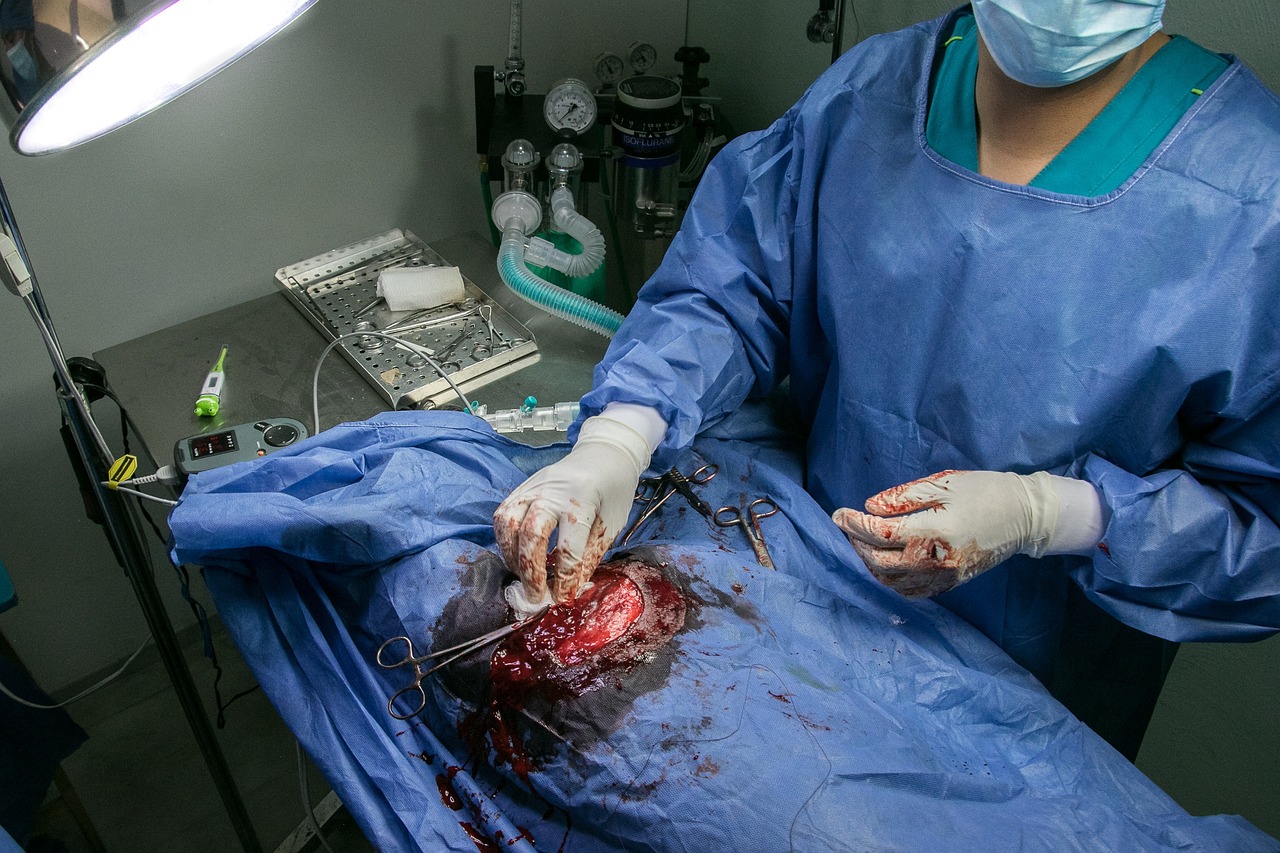
Treatment for mast cell tumors focuses on tumor type and stage. Surgical excision serves as the primary treatment modality for localized tumors. This removal can sometimes lead to a cure if the tumor has not metastasized. On the other hand, malignant MCTs may necessitate a combination of chemotherapy and immunotherapy. Understanding various treatment methods assists owners in making informed decisions for their pets. Veterinary oncologists often recommend the best course following tumor removals. Patients may have to deal with side effects from chemotherapy, yet many regain their vitality over time. The timing of treatment is crucial and should be carefully considered in coordination with veterinary advice. Innovations in cancer treatment continue to develop and evolve. Advances in targeted therapies offer new hope for cases previously deemed difficult. Continuous research inspires optimism among dog owners and veterinary professionals alike. As treatment progresses, honest communication between owners and veterinarians is paramount. Understanding potential complications or setbacks aids in preparation for various outcomes. Being educated about the treatment landscape provides clarity and support throughout the patient’s journey.
Following an MCT diagnosis, the importance of regular veterinary care cannot be overstated. Recurrence of tumors or metastasis are potential realities that require ongoing monitoring. Recurring skin growths necessitate professional evaluation due to their association with mast cell tumors. Continuous follow-ups and discussions with veterinarians ensure the dog’s health remains a top priority. This vigilance serves to catch any concerns before they escalate into larger problems. Additionally, maintaining a record of previous MCTs can support treatment decisions for future unexpected tumors. Utilizing information from prior cases can guide both owners and veterinarians toward prudent management strategies. Knowledge of historical treatment outcomes may provide insight into prognosis and potential challenges. Sharing experiences with others who have faced similar issues can offer emotional support and encouragement. Pet owners should never feel alone in such circumstances, as communities exist to provide resources. Finally, ongoing education about new research developments equips owners with the necessary information for advocacy. An informed owner is an empowered owner, making a substantial difference in a dog’s quality of life.
Conclusion: Being Proactive
Your dog’s health should always be your primary concern, especially regarding illnesses like mast cell tumors. An informed and proactive approach is invaluable in enhancing outcomes. Become familiar with the most at-risk breeds and symptoms associated with MCTs. Early detection and intervention are vital in managing this condition effectively. Equipping yourself with knowledge about treatment modalities, potential side effects, and recurrence strategies empowers both you and your veterinarian. Additionally, fostering open communication with your vet about any concerns or observations can facilitate optimal care for your dog. Remaining engaged in your pet’s health and working closely with veterinary professionals forms a strong partnership in navigating potential health challenges. Over time, staying current on research developments related to canine health enhances the ability to advocate for your dog’s well-being. By cultivating a holistic view of your dog’s health, you ultimately create opportunities for a healthier, happier life together. Remember, being proactive in dog care extends beyond immediate concerns; it is a continuous effort that builds a resilient and enduring bond with your beloved pet.
The ongoing assessment of dogs who are at risk ensures their health is safeguarded in the long term. A proactive approach to management permits timely interventions and establishes an essential support network for dogs with mast cell tumors. Through increased awareness and informed decision-making, every dog owner can promote wellness and resilience among their furry companions.