
Signs of Excessive Territorial Aggression and When to Seek Help
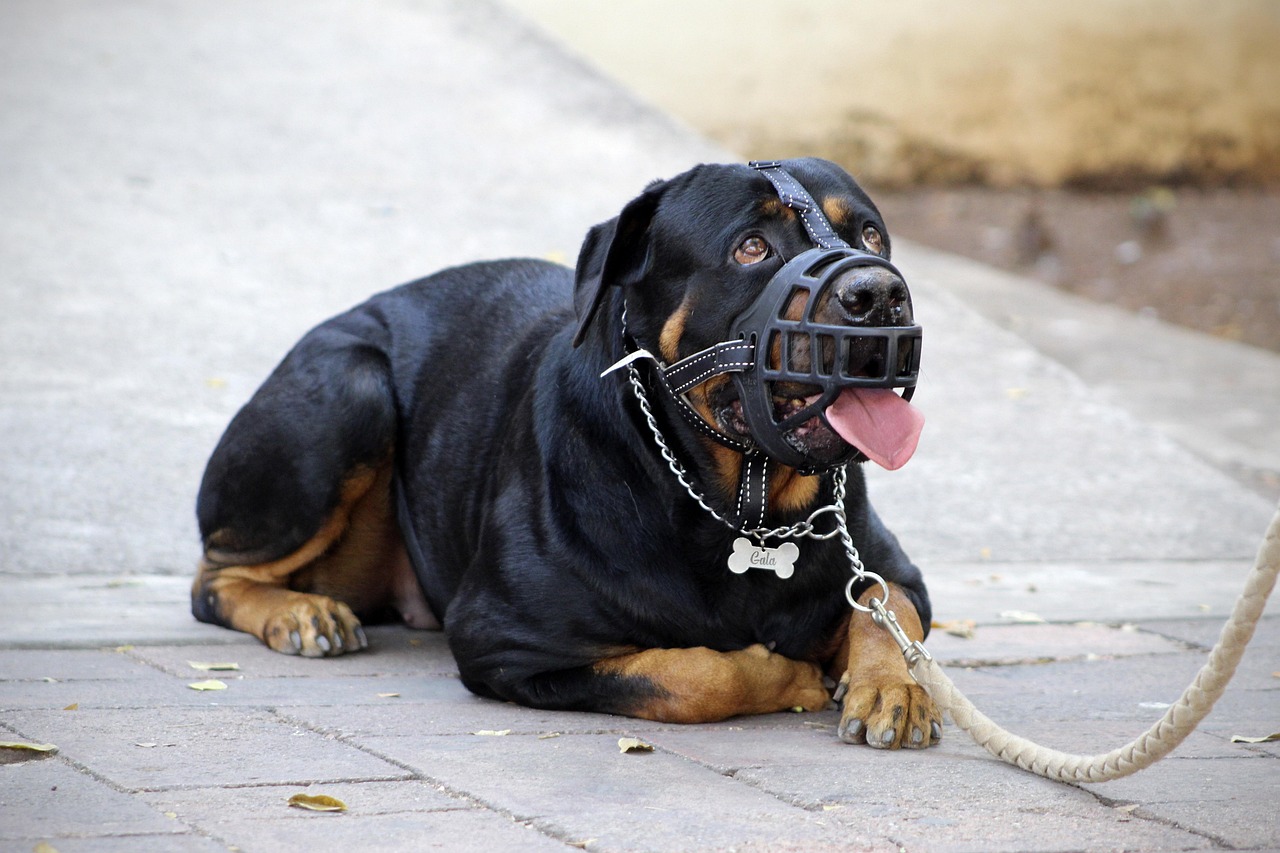
Understanding your dog’s behavioral traits is vital, especially when it comes to territorial aggression. Territorial behavior is a natural instinct for dogs, often leading to aggression towards perceived intruders. Common signs include barking, growling, or lunging at strangers and other animals. Dogs may also physically block access to areas they consider their territory, such as your home or yard. This behavior, while protective, can escalate into excessive aggression if not managed properly. Owners must watch for other signs such as persistent barking, showing teeth, or an unwavering stance. There’s a fine line between protective and aggressive behavior. Therefore, recognizing the balance is essential for preserving your dog’s safety, ensuring community harmony, and preventing potential injuries. If your dog’s territorial behavior seems excessive, it’s vital not to ignore the signs; consistently exhibiting strong aggression invites problems. Behavioral training can be imperative. Moreover, seeking professional training or consulting a veterinarian is highly recommended. Excessive territorial aggression can lead to destructive outcomes regardless of your dog’s intentions. Remain vigilant and attentive to their behaviors, as any subtle changes in demeanor may signal deeper issues.
Stray animals, unfamiliar visitors, and even environmental changes can trigger aggressive territorial behaviors in dogs. For some breeds, this reaction is instinctual, but it can become problematic with poor management or lack of training. Observing your dog’s reactions when someone approaches your property can provide insights into their territorial behaviors. Heightened arousal, frequent growling, or refusal to back down can signal excessive aggression. Such signals often frighten visitors, and it can complicate everyday interactions. If your dog shows these behaviors more frequently or intensely than what seems typical, it’s a clear indicator that intervention may be necessary. Owners must understand that these aggressive responses can arise from fear or anxiety stemming from their instincts. Often, early intervention aids in curbing unwanted aggression right away. Sometimes, simple training techniques can help recondition a dog’s perception of security and territory. Additionally, socialization with other animals and people can significantly reduce anxiety-related aggressive outbursts. Engaging in positive reinforcement strategies when your dog remains calm around perceived threats can help them learn to relax. By reinforcing good behavior, owners can turn territorial tendencies into more manageable behaviors.
Recognizing the Triggers of Territorial Aggression
Identifying the specific triggers for a dog’s territorial aggression plays a crucial role in the overall management of their behavior. These triggers can range from unknown sounds to visual cues. For instance, the sight of people walking by, other pets, or even moving vehicles can provoke a defensive reaction. Therefore, it is vital for dog owners to remain observant and aware of their pet’s reactions in diverse circumstances. Start keeping a record of encounters that lead to aggressive behaviors, noting recurring situations. As these triggers become apparent, devising strategies to mitigate these triggers becomes feasible. Setting up controlled scenarios exposes your dog gradually to the specific stimuli while supervising their responses. Counter-conditioning and desensitization processes often lead to greater security for your dog and more relaxed interactions. Training them to associate previously threatening stimuli with positive experiences, such as treats or praise, can significantly alter their perception. Undertaking early training while your dog is still in its formative months instills essential values that promote non-aggressive behavior and combat excessive territorial aggression. Remember, patience and consistency are key in transforming their mindset.
Another noteworthy aspect of territorial aggression is its potential manifestation in different forms. Dogs might display aggression towards individuals, other animals, or even certain objects considered invasive into their space. For example, if a dog is overly protective of its food, toys, or resting area, it may start to exhibit territorial aggression towards anything that approaches these items. Such behavior can occur in various social settings, including parks, daycare, or at home with guests. Knowing how to read your dog’s body language and cues is essential in preemptively addressing those aggressive signals. Signs like a stiff posture, fixed gaze, or a low growl should never be dismissed lightly, as they hint at escalating emotions leading to unwanted reactions. Preventing situations where your dog feels vulnerable or cornered can greatly diminish the chances of aggressive incidences. Sometimes, providing a designated quiet space with familiar comforts can help the dog feel secure and minimize territorial disputes. Recognizing and addressing these underlying fears and insecurities will ensure your dog remains happy. Never hesitate to seek expert advice to develop a healthy approach for you and your dog.
When to Seek Professional Help
While addressing mild cases of territorial aggression may be manageable at home, seeking expert assistance becomes essential for more severe situations. If standard training methods do not yield desired results or if aggressive incidents escalate, it’s crucial to consult a professional dog trainer or behaviorist. They can assist in crafting a tailored training plan, utilizing their experiences to guide owners effectively. Further, they may recommend specific behavioral therapies to help understand the root causes of aggressive behaviors. Besides trainers, veterinarians specializing in animal behavior may provide insights into underlying health problems, as certain medical conditions can provoke aggression. In extreme cases, medication is also an option. A comprehensive assessment will help take much-needed steps toward a balanced environment. Understanding that seeking help does not equate to failure but rather a commitment to your dog’s welfare is vital. A well-adjusted dog is a commitment that reaps rewards for both owner and pet alike. A professional can guide establishing boundaries, recognizing your dog’s needs, and aligning their behavior with a nurturing environment.
Engaging with your pup in activities that burn off energy can significantly minimize territorial aggression issues. Activities can include walking, playing fetch, or agility training models, providing mental and physical stimulation while reinforcing positive behavior. With regular exposure to different environments, dogs generally become more familiar and comfortable with various stimuli, thus reducing aggressive tendencies over time. Also, practicing obedience commands consistently can create a structure that helps the dog understand boundaries within their environment. Positive reinforcement techniques for obedience can further improve interactions while reducing aggression. Rewarding desired behaviors often leads to more reliable responses. Remember, maintaining control over situations that trigger territorial aggression is vital to prevent incidents. Experimenting with strategies and adjusting your approach depending on your dog’s reactions ensures a more harmonious living arrangement. The ultimate goal is forging a strong bond between the owner and their dog, anticipating challenges together. By fostering trust, you create a space where your dog feels safe, encouraging positive interactions with others. Ultimately, aggressive territorial behaviors, when left unchecked, can lead to unnecessary confrontations, thus why proactive training is indispensable. Proper management turns these obstacles into an opportunity for positive change.
Lastly, maintaining vigilance towards any significant changes in your dog’s behavior is essential. If you notice shifts in your dog’s usual mannerisms, it might indicate growing insecurities or fears, possibly escalating to excessive aggression. Emphasizing routine and stability can mitigate anxiety, making it crucial to keep distractions and unfamiliar changes at bay. Providing a consistent training regimen, alongside love and attention, reinforces good behavior and cultivates a calming presence. Regularly examining environmental factors also plays an essential role in your dog’s awareness of their surroundings, allowing you to address triggers before they escalate into aggression. Understanding that dogs carry unique personalities and needs often dictates the training approach you’ll take. Each dog responds differently to training methods, so taking time to explore tailor-fitting techniques based on preferences is a crucial aspect of dog ownership. By maintaining an atmosphere where dogs feel represented and understood, aggressive territorial tendencies dissolve into manageable behaviors. In understanding your dog’s environment, you pave the way for a more pleasant coexistence between them and the world surrounding them.