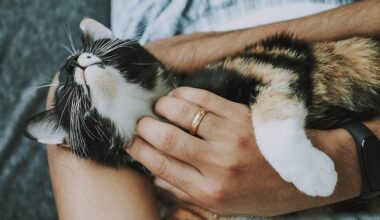

Top 10 Hospice Care Practices for Aging Cats
Caring for senior cats in their golden years can be challenging yet rewarding. It’s important to provide them with love and attention, ensuring they feel comfortable and happy. The first practice involves a tailored approach to nutrition. Senior cats have different dietary needs; they typically require foods rich in proteins and lower in calories. Consult with a veterinarian to find the best option for your feline companion. Another significant practice is enhancing their environment. Create a safe, quiet space where they can rest undisturbed. This might include cozy beds and accessible litter boxes. Furthermore, regular health check-ups are crucial as they can identify potential health issues early. Monitor your cat’s behavior closely, looking for symptoms like lethargy or changes in appetite. Engaging in gentle play is another way to keep your senior cat active and mentally stimulated while respecting their physical limitations. Hydration is also vital; ensure they always have fresh water available. Remember to administer medications as prescribed, keeping a consistent routine. Finally, providing companionship through human interaction and even adopting a gentle younger pet can help soothe your senior cat’s loneliness.
Another essential hospice care practice for older cats is the use of pain management strategies. A veterinarian should evaluate if your cat is experiencing pain, potentially due to degenerative conditions or other ailments. Preventative measures might include anti-inflammatory medications or natural supplements aimed at joint health. Cats can also benefit from physical therapy or acupuncture, which are excellent methods to relieve pain and improve mobility. Additionally, consider adapting your cat’s daily routine to include more frequent, short bursts of activity instead of prolonged play sessions. Effective communication with your veterinarian about any behavior changes is vital to adjust care methods optimally. Creating a stress-free environment aids in their relaxation; minimizing loud noises and sudden changes within the household can help. Another aspects of hospice care involves grooming; gentle brushing can help maintain your cat’s fur quality and skin health. Moreover, it offers a wonderful bonding experience between you and your cat. You should keep a watchful eye on dental health, as oral diseases can severely impact your cat’s well-being. Regular dental cleanings, sometimes at home with vet-recommended products, could be beneficial.
Creating a Comfortable Environment
When it comes to hospice care for senior cats, their comfort and well-being come first. A safe, cozy space can make a significant difference in their quality of life. Consider setting up multiple resting areas around your home, equipped with soft bedding and blankets to create inviting spots. Elevating their sleeping areas can also aid for any mobility issues they may experience. Placing food, water, and litter boxes in easily accessible locations ensures your cat can manage their daily activities with ease. If your home has stairs, try to minimize their usage by providing everything they need on one level. Adjust the lighting to avoid disorienting shadows or overly bright areas, as older cats may have vision problems. Adding soft music or gentle background noise can help reduce anxiety. Also, maintaining a routine can offer your cat a sense of security; feed and interact with them at the same times daily. Consider adding calming pheromone diffusers to alleviate stress. Lastly, offering them toys designed for senior cats can ignite their playful spirit while considering their unique physical needs.
The role of veterinary professionals is incredibly important in hospice care for aging cats. Regular communication with your vet can ensure your pet receives tailored care, targeting their specific needs. Before scheduling routine check-ups, inform your vet about any changes you’ve noticed in your cat’s behavior, especially if they exhibit signs of pain or distress. Many veterinary clinics offer home visits, making it easier for your senior cat to receive care without the added stress of travel. Additionally, asking for recommendations on palliative care options may help improve your cat’s quality of life during their golden years. Some veterinary practices specialize in geriatric cat care and can provide invaluable insights on managing specific conditions such as kidney disease or arthritis. Discussions regarding end-of-life care should also take place at this stage; it’s essential to have a plan for when your cat is nearing the end of their life. Being prepared can ease both your and your cat’s transition during a difficult time. Remember to remain patient and loving, a vital component at this stage of their life.
Understanding Your Cat’s Needs
Understanding the emotional and physical needs of your aging cat is crucial for effective hospice care practices. Senior cats often experience anxiety, loneliness, or cognitive decline, necessitating more attention and patience from their caregivers. Observe subtle changes in their behavior that may signal stress or discomfort; this real-time feedback is invaluable for improving their environment. Provide opportunities for mental stimulation by introducing puzzle toys that challenge them without overwhelming their capacities. Routine check-ins can help, as seniors may struggle to express their discontent or pain verbally. Furthermore, engaging in gentle, low-key interactive play can uplift their spirits and strengthen your bond. Regularly assessing their mobility can also reveal if their needs change; accommodating your cat’s altered abilities may include adding ramps or supportive surfaces to make movements easier. Daily routines should also reflect any changes in appetite or preferences. Enrich their surroundings with items that spark joy, such as scratching posts or cozy hiding places. Putting together a scrapbook that tracks their health can help monitor changes, ensuring they receive the necessary care promptly. Careful observation enhances happiness and well-being for your senior cat.
Your senior cat deserves the highest level of kindness and respect, particularly during end-of-life stages. Understanding when your pet is entering this phase requires sensitivity and empathy. Noticing any major changes in their behavior can be particularly revealing. Cats often hide their pain, so understanding their usual habits can help identify distress or discomfort. It’s essential to engage in frank conversations with your veterinarian regarding options for euthanasia and comfort care. They can guide you through the decision-making process, focusing on what is best for your cat’s quality of life. Being open to options may ensure a more peaceful passing when the time is right, which can greatly reduce emotional distress for both you and your beloved cat. Empathy plays a crucial role; allowing your cat to remain close during their last moments can provide immense comfort. Additionally, creating lasting memories through photographs and paw prints can serve as keepsakes during this difficult time. You can honor their life by sharing stories and moments with others who understand your love for your cat. Embracing these practices can help ease the journey for both yourself and your senior feline.
Monitoring Health and Wellbeing
Monitoring your senior cat’s health and well-being is essential, particularly in hospice care. Veterinary visits should become more frequent, focusing on preventive measures that consider age-related ailments. Make note of any subtle changes in their behavior or physical condition, such as changes in appetite or difficulty grooming themselves, which signal potential health issues. Regularly scheduled check-ups can lead to early detection and better management of chronic conditions. Encourage your vet to conduct thorough physical examinations to ensure all aspects of their health are accounted for. Offering age-appropriate supplements can also play a role in supporting overall wellness. Following prescribed feeding guidelines tailored to senior cats contributes positively to their health and energy. Keep track of their weight to avoid obesity, which can lead to further complications. For cats showing signs of discomfort, exploring holistic therapies alongside traditional medicine can provide additional relief. Encourage gentle play when possible, but ensure any activities are suitable for their capabilities. Patience and understanding during this process help create a comfortable atmosphere, fostering a strong bond between you and your cat during their hospice journey.
In summary, compassionate hospice care practices for senior cats can greatly enhance their quality of life. Prioritizing each aspect of their care, from nutrition to emotional support, creates a fulfilling environment tailored to their needs. Gently adapting their daily routines, engaging with them thoughtfully, and monitoring any changes can foster a loving relationship that helps them thrive. Be proactive in understanding their unique requirements and implement care strategies that meet these demands quickly. Enlisting the support of veterinary professionals can provide insight into both physical and emotional health management. Being prepared for end-of-life decisions with empathy can ensure your cat’s final moments are as peaceful as possible. Incorporating methods that nurture their comfort and emotional well-being will strengthen your bond and ensure a dignified transition. The journey of caring for a senior cat can be challenging yet profoundly rewarding. Each interaction, whether playful or nurturing, contributes positively to their well-being. Cherish every moment spent together, honoring their spirit while adequately preparing for the future. Your dedication to their hospice care will not only benefit them but also enrich your life, creating lasting memories during these precious golden years.