
When to Seek Professional Help for Aggressive Dogs
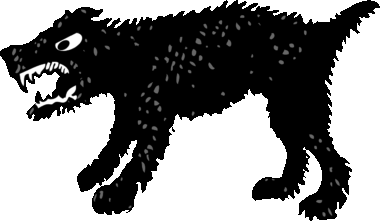
Understanding when to seek professional assistance for aggressive dog behavior can be crucial for your safety and the welfare of your pets. Aggression towards humans is a serious issue, manifested in various forms such as growling, barking, or even biting. It’s common for dog owners to feel overwhelmed or helpless in such situations. The initial step involves observing your dog’s triggers. Is aggression elicited by strangers, certain noises, or unfamiliar environments? Noticing these factors will help determine severity. Additionally, seek advice from your veterinarian who can assess any underlying health problems contributing to the behavior. Sometimes, aggression is not purely behavioral but also medical. Early intervention is key, as delaying action can worsen the aggression, making it harder to modify. Professional trainers or animal behaviorists specialize in treating aggression. They utilize positive reinforcement techniques and personalized training plans. By recognizing these signs and seeking help, you create a safer environment for both your dog and others. Your proactive approach can lead to successful behavior modification and facilitate a harmonious coexistence.
If your aggressive dog poses an imminent danger to yourself, family, or the public, prompt action is necessary. Dogs that regularly display aggression may require immediate professional assessment. Consult a certified dog trainer familiar with aggressive behavior at the first signs of concern. They can provide insights and techniques tailored to your dog’s specific needs. Timely intervention can mitigate potential dangers and improve the situation. Moreover, not all aggression stems from fear or dominance. Some dogs react aggressively due to anxiety, past trauma, or poor socialization. An evaluation from a behaviorist can help clarify the reasons behind the aggression. They can develop a customized behavior modification plan. In addition to professional help, you’ll also need to ensure your home environment is safe. Avoid situations which may trigger your dog’s aggression while implementing management strategies, such as using muzzles and leashes in public settings. Furthermore, educating yourself on dog behavior is important. Understand canine body language and warning signals. By comprehending your dog’s mindset, you can act more appropriately, reducing the chances of confrontational incidents.
Additionally, keeping a detailed journal of your dog’s aggression incidents can provide valuable insight. Record specific details, such as dates, times, situations, and the responses triggered. This log can help trainers observe patterns and triggers more effectively. A keen eye can also be beneficial in recognizing subtle behavior changes; perhaps a previous playful pup has become increasingly irritable. In such circumstances, early assessment is vital! Recognizing behavioral shifts can enable you to make timely decisions about professional intervention. Moreover, if your dog has bitten someone, it’s crucial to consult a professional. A dog that has displayed aggression leading to a bite will require serious handling and evaluation. This should not be taken lightly as it poses significant consequences, including legal ramifications and emotional impact. Furthermore, some breeds may have predisposed tendencies toward aggression, which could necessitate early intervention strategies. Regardless of the breed, each dog is unique, and understanding their individual needs is essential in managing aggression effectively.
Importance of Training and Socialization
Enrolling your dog in a socialization class or basic obedience training can be extremely beneficial. These sessions introduce your dog to various stimuli and situations. Additionally, engaging with other dogs and individuals can decrease their anxiety and aggressive reactions. Early exposure to diverse environments and experiences prepares dogs for real-life situations, potentially lessening the chance of aggressive tendencies. Furthermore, implementing consistent training tactics can reinforce positive behavior patterns. Positive reinforcement encourages desired behavior through rewards rather than punishment, establishing trust between you and your dog. Group classes can also allow you to observe your dog’s behavior in social settings, helping you to recognize triggers more effectively. In these classes, professional advice is readily available, helping you become equipped with knowledge and techniques to deal with aggression. Consideration of canine enrichment activities like exercise, mental stimulation, and interactive games can also promote a calmer demeanor. Providing a fulfilling environment for your dog lessens pent-up energy that may contribute to aggressive behavior. Hence, prioritize early training and socialization to create a strong foundation for your dog’s behavior.
When facing an aggressive dog, establishing and maintaining a calm, assertive presence is essential. Dogs often react to their owner’s emotional state; if you exhibit anxiety or fear, your dog may perceive that as a cue to escalate aggression. By remaining composed, you can help your dog feel more secure. It’s vital to clearly communicate boundaries and expectations for behavior through effective training methods. Supervision during playtime with other dogs is equally important to prevent incidents and allow for positive experiences. Additionally, when interacting with strangers, it’s best to prepare your dog by ensuring they are leashed and under control. During introductions, allowing your dog the space to approach at their pace can help manage their feelings of aggression. Always let others know about your dog’s tendencies, so they can respond appropriately, minimizing the risk of conflict. It is essential to recognize that not every dog will easily adjust to such approaches. Professional intervention may still be required for some cases. Thus, establishing a network of support systems is key in ensuring long-term success in behavior management.
Ongoing Support and Monitoring
Establishing ongoing support is essential after initial professional intervention. Behavioral modification is often a gradual process. Continued consultation with trainers and behaviorists can ensure that you are progressing effectively. Regularly reassess and adjust the training plan as needed based on your dog’s changing behavior. Connection with support groups or online forums allows sharing experiences and resources. Engaging with others who face similar challenges provides motivation and encouragement. Sharing stories can also facilitate practical learning through problem-solving. Active participation in these communities can help reinforce positive behavior in your dog and develop your training skills gradually. Additionally, consistently engaging in practice and training with your dog strengthens your bond and can diminish aggressive behavior. Connecting on this deeper level also ensures that your dog feels loved and secure, which ultimately translates into positive outcomes. Remember, addressing aggression takes time and patience. Celebrate small victories along the way; each step towards improvement is significant and worth acknowledging. Ultimately, your investment in time and effort profoundly impacts your dog’s future, enhancing their capacity for happiness and security.
In conclusion, seeking professional help for aggressive dogs is not just an option but often a necessity. Understanding the underlying causes of aggression and recognizing when help is needed can significantly impact your dog’s life and others around them. Delaying professional intervention can lead to escalated aggression, making it more challenging to manage. Observing your dog’s behavior closely, keeping detailed records, and consulting with specialists will enhance your ability to tackle aggression effectively. Socialization and training are also fundamental components that bolster positive behavior. By actively engaging in these efforts, you strive for a more peaceful coexistence with your aggressive dog. Moreover, providing ongoing support and adapting training techniques ensures lasting results. Your dedication to understanding and meeting your dog’s emotional needs will foster stability and security in their environment while promoting their well-being. Ultimately, investing resources in professional guidance and training can create a balanced and positive living situation for you and your dog. This proactive approach enhances their quality of life and encourages a harmonious relationship that can thrive over time.