
Common Risks and How to Avoid Them in Raw Dog Food Handling
Raw dog food preparation can expose both dogs and humans to various health risks. These risks include bacterial contamination and nutritional imbalances. When handling raw food for dogs, it’s crucial to follow safety guidelines to avoid these issues. First, it’s important to maintain cleanliness in the kitchen. This means washing hands before and after handling raw meat. Additionally, all surfaces and utensils must be thoroughly sanitized after use. Bacteria like Salmonella and E. coli can thrive in raw meat, potentially leading to severe health problems for pets and humans alike. Safe raw food handling requires proper storage as well. Any raw products should be kept at the correct temperature to prevent spoilage. Ideally, raw meat for dogs should be stored in a refrigerator at temperatures below 40°F. Proper thawing methods are also essential, as thawing at room temperature can encourage bacterial growth. Therefore, frozen raw food should be defrosted in a refrigerator or under cold running water. Following these guidelines can significantly reduce health risks.
In addition to cleanliness, it’s vital to provide a balanced diet when preparing raw food for dogs. A common mistake pet owners make is not including all necessary nutrients. Raw diets should consist of meat, bones, organs, and vegetables. Each of these components provides essential vitamins and minerals that promote overall health. For instance, organ meats are a rich source of vital nutrients like vitamin A and iron, while bones contribute necessary calcium. If your dog’s diet lacks these nutrients, it can lead to deficiencies. Consultation with a veterinarian or a pet nutritionist can greatly assist in providing a balanced diet. Regularly assess your dog’s health and weight to ensure that their diet meets their individual needs. Additionally, taking into consideration the breed, age, and activity level will help tailor a suitable diet. This personalized approach ensures your dog receives optimal nutrition. Maintaining an appealing meal plan can lead to better acceptance of the raw food diet. Starting with small portions and gradually increasing can also help with transitioning your pet to a new food regimen.
Preventing Cross-Contamination
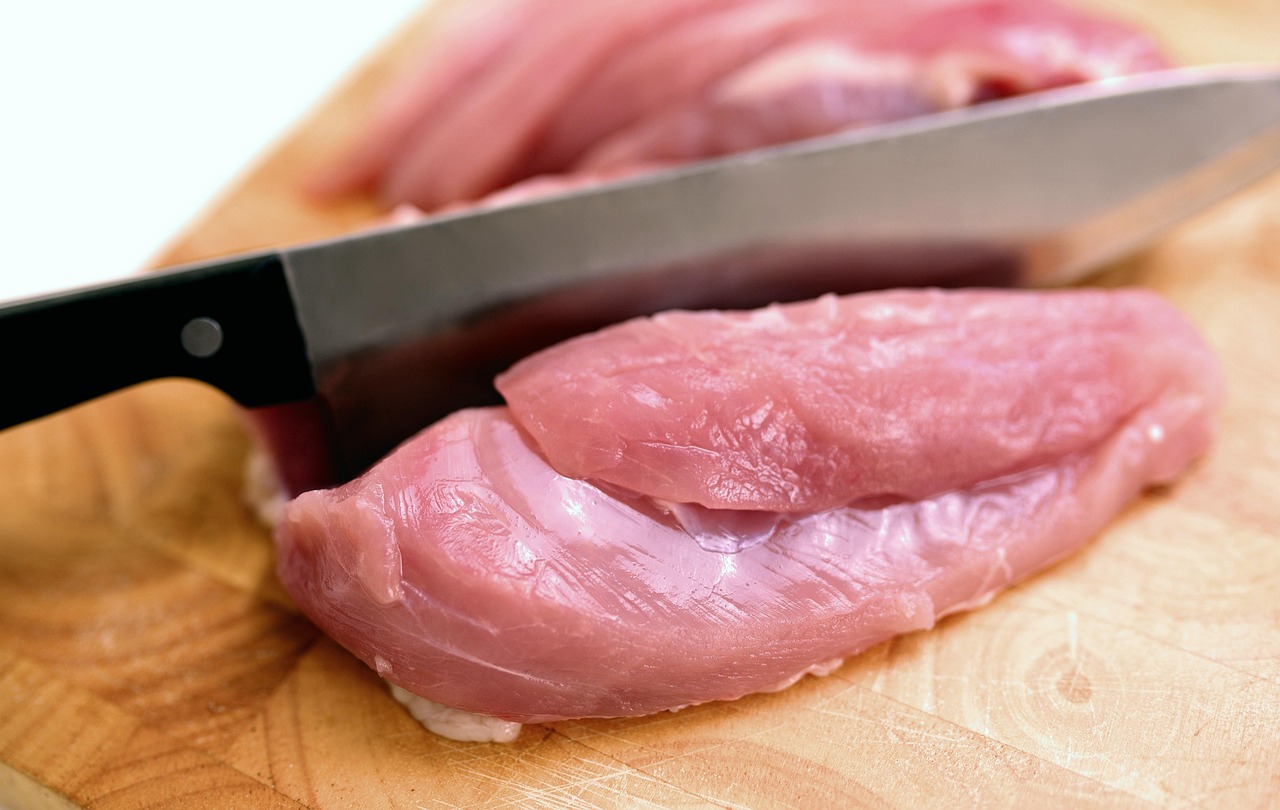
Preventing cross-contamination is critical when preparing raw dog food. This involves keeping raw meat separate from other foods to ensure safety in the kitchen. Use separate cutting boards and utensils specifically for raw pet food. Color-coded cutting boards can help in identifying which board to use for each type of food. For instance, designate a specific board for raw meat and another for vegetables to avoid cross-contaminating ingredients. Additionally, always wash your hands in between handling different types of food. Also ensure that any surfaces, such as countertops where food is prepared, are cleaned with hot, soapy water to prevent bacteria from spreading. When shopping for ingredients, placing raw food into separate bags from other groceries also helps prevent contamination. If raw food drips onto other food items in your cart, it can lead to health hazards. Taking these extra precautions will keep both your family and your pet healthy. Remaining vigilant during food preparation can significantly reduce the risk of introducing harmful bacteria into your home.
Storage is another crucial factor when it comes to raw food handling. Raw meats should be stored properly to ensure they remain fresh and safe for consumption. The freezer is the ideal place to store raw dog food for extended periods. Properly seal the raw food in airtight containers or vacuum-sealed bags to prevent freezer burn and maintain quality. It’s essential to check expiration dates before purchasing raw dog food and only use products that are fresh. Labeling containers with dates can help keep track of when the food was prepared or purchased. Additionally, always be cautious of thawing methods. Never refreeze raw food once it has been thawed, as this can contribute to bacterial growth. Instead, prepare only the required amount and discard any leftovers. Keeping track of your supply and regularly checking on stored products can help ensure that your pets receive safe and nutritious meals. Incorporating a consistent storage routine will ease the process of feeding your dog a raw diet while maintaining safety.
Understanding Safe Thawing Techniques
Safe thawing techniques are essential when preparing raw food for dogs to minimize health risks. Improper thawing can lead to an increase in harmful bacteria. The safest method is to thaw raw dog food in the refrigerator, as this keeps the food at a consistent and safe temperature. This method may take longer, typically several hours to overnight, but ensures safety throughout the thawing process. Another effective technique is to use cold water thawing. This involves sealing the raw food in a waterproof bag and submerging it in cold water, changing the water every 30 minutes. This method is faster than refrigerator thawing but still maintains safety. Avoid thawing food at room temperature, as it allows the outer layers of the food to warm up too quickly, creating an environment conducive to bacterial growth. Additionally, never microwave raw dog food, as it causes uneven heating and does not eliminate harmful bacteria. Ensuring proper thawing methods is vital to maintaining your dog’s health while on a raw diet.
Understanding the importance of proper waste disposal is also key to safe raw dog food handling. Raw food waste can harbor harmful pathogens if not disposed of correctly. If you have leftovers, always store them in sealed containers before discarding them. This practice prevents contamination of other food items or surfaces in your kitchen. When cleaning up, dispose of any waste in a tightly sealed bag immediately after feeding. Avoid leaving raw food scraps out for extended periods, as this could attract pests and lead to bacterial contamination. Regularly clean your trash can and compost bin to eliminate odors that can attract vermin. Additionally, washing hands thoroughly after handling raw food or waste is paramount to minimize the risk of transmitting bacteria. Implementing these disposal practices creates a safer environment, not only for your pets but also for your family. Having a designated area for pet waste disposal in your backyard can also streamline the process. Following these guidelines will enhance your overall focus on hygiene and health.
Conclusion: Prioritizing Safety in Dog Nutrition
In conclusion, prioritizing safety during raw dog food handling is essential for both pet and owner well-being. By following outlined guidelines, one can significantly minimize health risks associated with raw food diets. Staying aware of cleanliness, proper storage, and safe thawing techniques is critical to preventing bacterial contamination. Adjusting feeding practices to include nutrient-rich ingredients ensures that dogs receive a balanced diet. Additionally, being proactive about waste disposal will further enhance hygiene and create a safer environment. As raw feeding grows in popularity, educating oneself about the proper practices is vital toward success in adopting this feeding method. Always consult professionals in pet nutrition for personalized recommendations regarding your dog’s dietary needs. Regular check-ups with your veterinarian will also help assess your dog’s health status, ensuring their needs are being met. Emphasizing these aspects contributes to a healthy lifestyle for your pet. A raw diet can offer numerous benefits, including improved coat condition and energy levels, making safety a primary concern as you embrace this feeding approach.
In summary, the implementation of effective safety measures when handling raw dog food is pivotal for maintaining health. This article has highlighted essential tips to follow, focusing on cleanliness, preventing cross-contamination, proper storage, safe thawing, and waste disposal. Adhering to safety protocols ensures the well-being of your dog and your household and promotes seamless meal preparation. With a commitment to these measures, pet owners can foster good hygiene habits that protect everyone involved. Educating oneself and fellow pet owners on the intricacies of raw food handling will further enhance safety awareness. A collective effort to prioritize these practices paves the way for a safer experience for all raw dog food enthusiasts. As you embark on this nutritional journey, remember that preparation goes hand-in-hand with safety. Embrace the benefits of a raw diet, while being mindful of practices that prevent health risks. Investing time in learning and efficiency in preparation will yield positive results for your furry companion. Ultimately, raw feeding can be a rewarding endeavor with proper handling and awareness.