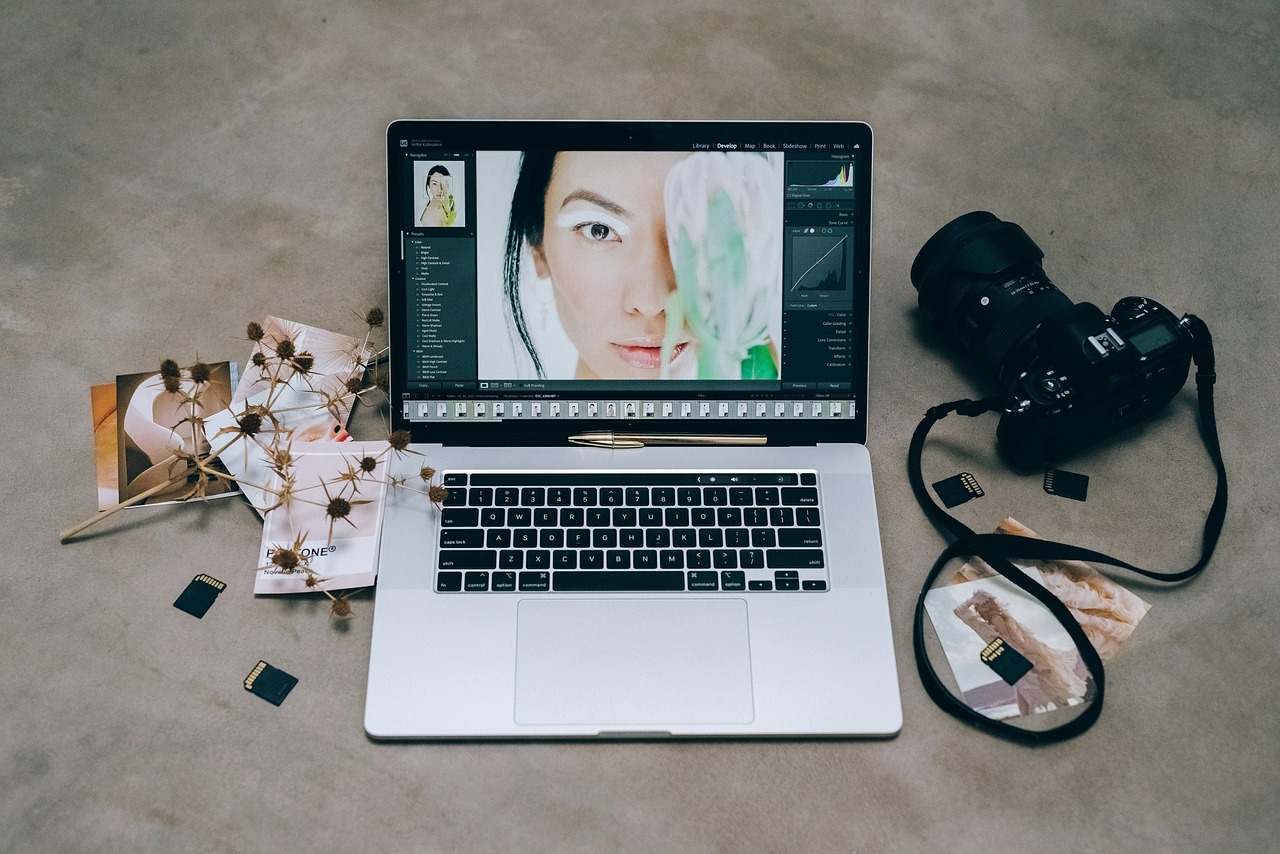

Editing Techniques to Enhance Your Dog Photos
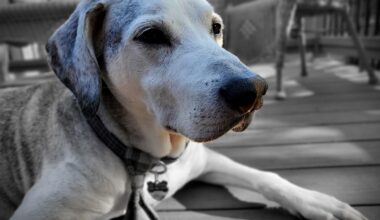
When it comes to enhancing your dog photography, mastering editing techniques is essential. The right software can transform good images into stunning masterpieces. Start with basic adjustments like brightness and contrast. Brightness influences how light or dark your photo appears, while contrast affects the difference between light and dark tones. By increasing contrast, you can make your dog’s fur appear more vibrant. Next, consider saturation and color balance. Saturation can enrich the colors, making your dog’s coat pop. Alternatively, use color balance to correct or enhance specific tones, giving your photo warmth. Don’t forget about cropping; it helps to eliminate distractions and focus on your subject. Remove unnecessary background elements that take away attention from your dog. Additionally, utilize sharpening tools to enhance the details in your dog’s fur or eyes. These techniques can significantly transform your photography and help it stand out in a saturated market. Always remember to save your edited works in high resolution, ensuring they maintain quality. Utilize layers if your software supports it, allowing for non-destructive edits that you can adjust later.
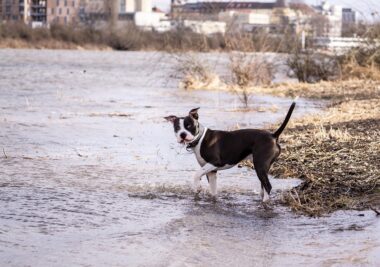
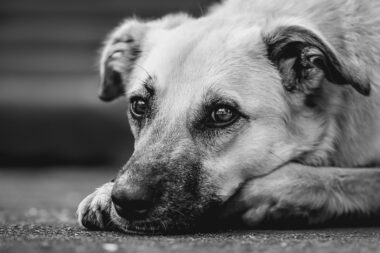
Another vital step includes using filters and effects creatively. Filters can provide a specific mood or artistic style to your photos, making them more engaging. For instance, applying a soft focus filter can give a dreamy quality to an outdoor shot, highlighting the emotion of the moment. Just be cautious; overusing filters can lead to unnatural images. A subtle touch often yields the best results. Next, explore the potential of Lightroom or Photoshop with advanced techniques. Techniques like dodge and burn allow you to lighten or darken specific areas selectively. These approaches can add depth and drama, particularly around the eyes and facial features of your dog, which capture the viewer’s mind. Bringing attention to these areas makes your images compelling. Adjusting clarity can also help define textures in your dog’s fur, producing a professional finish. Lastly, don’t overlook the use of background blur techniques. Achieving a soft bokeh can isolate the dog from distractions, making the subject the focal point and thus elevating your work’s overall aesthetic appeal.
Utilizing Software Effectively
Choosing the right software for editing is overwhelming, but finding one that suits your style is crucial. Adobe Lightroom and Photoshop are prevalent choices among professional photographers due to their extensive features. Lightroom excels at batch editing, saving precious time when adjusting multiple photos. Plus, it has excellent color correction tools that enhance your images. Photoshop, on the other hand, is perfect for detailed retouching. It allows for advanced editing, such as background replacement. Understanding how to use these tools effectively will lead to significant improvements. While many free alternatives also exist, they may lack certain advanced features necessary for detailed work. Popular free options include GIMP and Canva. Regardless of the software chosen, learning through tutorials can greatly enhance productivity. Many experts share invaluable tips and techniques online. Websites like YouTube and various photography blogs are incredible resources. Devote time to learning specific skills within the software you choose to use. This investment in knowledge will pay off as your photos become consistently impressive. Always back up your original images before extensive editing, ensuring you retain the original quality.
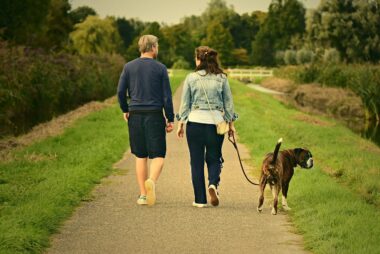
Another essential aspect of editing is understanding the importance of color grading. Color grading involves adjusting the overall color tones of your photographs to create a cohesive style. This technique is especially useful in dog photography, where different breeds exhibit unique coat colors. Apply cool tones for a calming feel in shots, or warm tones to convey excitement and energy. It’s crucial, however, to maintain the natural colors of your furry subjects. This keeps the authenticity and beauty of your photograph intact while adding your personal artistic touch. Consider creating presets if you often shoot in similar environments or styles to streamline your editing process. Having a preset means you can achieve a consistent look across your portfolio, impressing potential clients with your signature style. These presets can focus on certain color schemes or contrast levels, tailored specifically for dog portraits. Additionally, using built-in histogram tools ensures that your colors aren’t clipped or overly saturated, providing a more balanced image. This attention to color detail elevates your photography from amateur to a professional quality that stands out in the industry.
Fine-tuning Your Skills
Continuously improving your editing skills is key to becoming a sought-after dog photographer. Take the time to experiment with different techniques to find your niche in editing styles. Keeping up with trends in pet photography will also give you inspiration. Explore visual platforms like Instagram and Pinterest for fresh ideas. Engaging in online photography communities can also offer invaluable support and constructive criticism. Participate in challenges, as they prompt you to try new editing approaches in various scenarios. For instance, consider how lighting adjustments during golden hour can dramatically change your photos’ appeal. Conversely, shooting in low light conditions requires different editing techniques to enhance clarity. Regularly step outside of your comfort zone by embracing various editing challenges. You might find unique styles that resonate well with your approach to dog photography, helping you stand out ultimately in a competitive market. Engaging workshops or local photography clubs focusing on editing merits potential friends and mentors, who can guide you and inspire further growth. Always stay curious to keep evolving in your skills and knowledge surrounding dog photography.
Lastly, be open to critique, which is essential in fine-tuning your photography and editing skills. Constructive feedback from experienced photographers or clients can provide insight into areas needing improvement. Present your work in various platforms to garner opinions and suggestions. Online forums, social media groups, and photography websites are excellent places to receive feedback. Also, consider participating in editing contests to put your skills to the test. These contests usually receive submissions from various photographers, presenting an opportunity to compare styles and techniques. Review other competitors’ edits to see new approaches you might not have considered. Additionally, ask friends or fellow photographers to evaluate your work and provide honest critiques. This peer review system helps build connections within the photography community while enhancing your visibility. Always strive for a continuous learning mindset; editing techniques evolve as technology advances and communities grow. Emphasizing this mindset will not only improve your craft but also lead to opportunities to network with others who share your passion for dog photography, enriching your journey together.
Final Thoughts
As you delve deeper into the world of dog photography and editing, immerse yourself in the learning process with an open mind. Discovering unique styles and techniques will boost your portfolio substantially. Balance experimentation with practice, so you feel confident in your choices. Investing time in understanding both the technical and creative aspects of editing ensures you will grow as a dog photographer. Collaborate with fellow photographers to learn even more, sharing insights that can lead to innovative approaches. Always stay updated on the latest software updates and technology tools available to enhance your editing capabilities. Keeping your skills sharp through ongoing education will set you apart from competitors. Remember to maintain the authenticity of your pet subjects, ensuring their personality shines through your images with proper editing techniques. Networking within dog photography communities can provide numerous opportunities for partnerships, exhibitions, or clientele connections. Ultimately, allowing your passion for dog photography to guide your editing process will consistently produce engaging and stunning visuals that celebrate the joy of dogs.
Your journey as a dog photographer will flourish only through dedication and refinement. Utilize the various editing techniques discussed to create breathtaking images. Develop a signature editing style that resonates with you and your brand. Experimenting with diverse styles will enhance your creativity, ensuring that every shoot is a fresh adventure. Ultimately, the key to success in dog photography lies not just in capturing the best moments but also in refining those moments through skilled editing techniques. The images you create will tell a story that dog lovers worldwide can connect with, so make it count. Whether you work with families, dog owners, or shelters, impressing your clients with exceptional visual narratives can substantially impact their connection with your art. Invest in your skills, seek feedback, and embrace the challenges of photography and editing. Each image you edit will represent your progress and passion, forming a portfolio that reflects your growth and talent. Take the time to enjoy the journey; celebrate the moments captured and improved through enhancement. In dog photography, remember that editing is a powerful tool that shapes the narrative of every beloved furry friend.