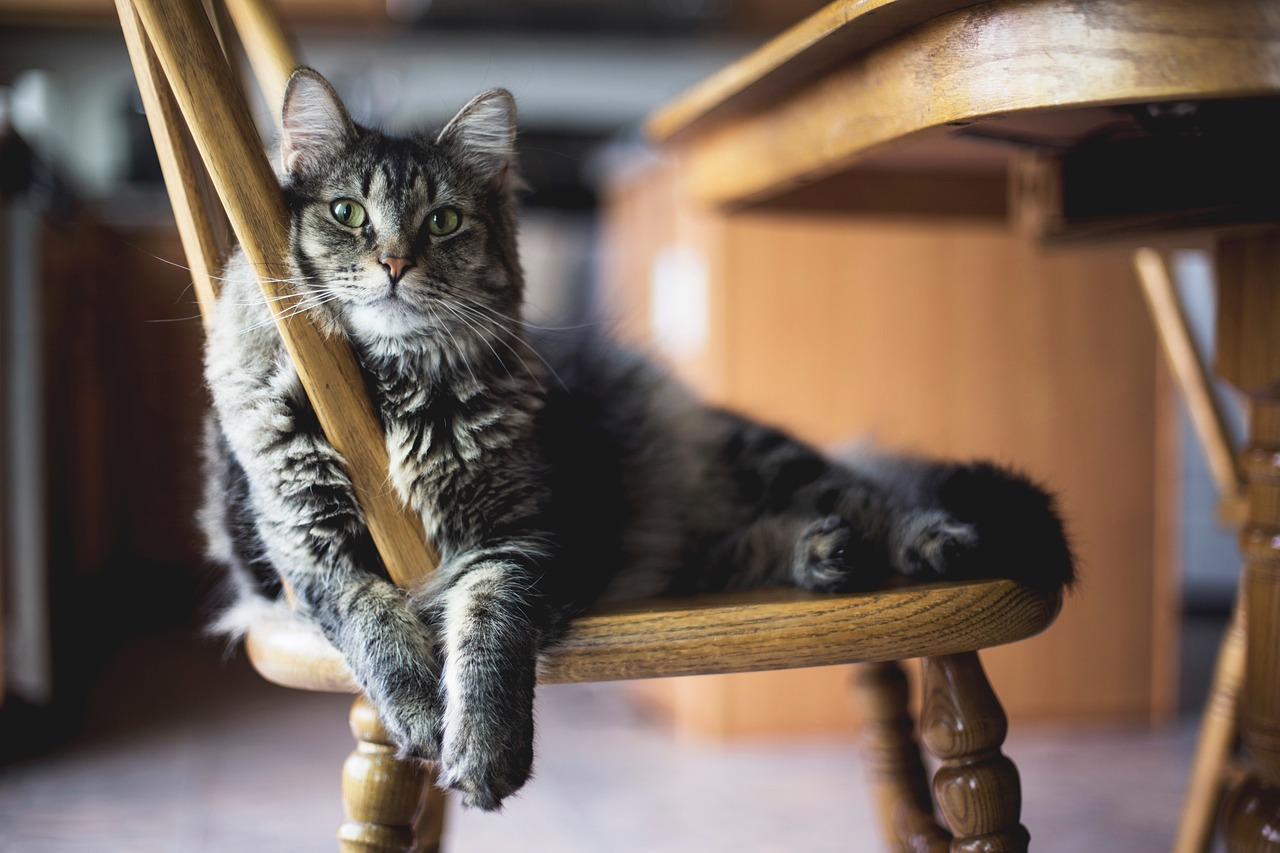

Enhancing Your Cat’s Experience with Furniture Through Commands
Cats are not just pets; they’re beloved family members who deserve the best. Understanding how to utilize furniture optimally can enrich their lives significantly. Commands associated with furniture help in training cats to use their spaces more effectively. Introducing your cat to specific commands can greatly enhance their experience. Furniture like cat trees, scratchers, and beds can provide more than just comfort—they can become engaging environments. Start with commands like ‘up’ and ‘down’ to encourage exploration. Enchanted pathways lead to happy faces, while proper use of scratching posts can save your sofa. Make these interactions rewarding. Consider utilizing treats to reinforce good behavior. Over time, cats will associate the furniture with positivity and comfort. These interactions build unique bonds between you and your cat, creating a harmonious living space. By actively engaging with your cat and using furniture as a tool for well-being, changes in their daily routine can be achieved. Ultimately, investing time in training through commands ensures a happy, interactive life for your furry friend, making your home a haven designed for both of you.
Observing your cat’s behavior offers insights into how they interact with furniture. Cats are naturally curious creatures, and their exploration of environments is instinctual. By encouraging this exploration with commands, you can shape how they perceive their furniture. For example, teaching your cat to use a scratching post instead of your favorite couch can save you time and frustration. Understanding the importance of command training means you can influence behavior progressively. A well-trained cat will not only appreciate their furniture but also feel secure in their environment. Begin by establishing consistent commands and repeat them frequently, ensuring your cat starts to recognize these cues. Always be patient and give your cat time to learn. Using verbal cues connected with gestures or pointing can further clarify your intent. When they respond appropriately, reward them with treats or praise to reinforce the behavior. Over time, they will start responding to your commands positively, making the use of the furniture a seamless part of their life. Regular training sessions can also provide mental stimulation, which is vital for a cat’s overall health and happiness. Continuing this cycle helps nurture their natural instincts and ensures adaptability.
Benefits of Training Cats with Commands
Implementing commands is beneficial not just for training but also for fostering a deeper connection with your cat. Cats can thrive in an environment where expectations are clear and consistent. When they understand what you want, they feel more secure, leading to overall well-being. Teaching commands allows your cat to enjoy their furniture properly without negative behaviors forming. For instance, incorporating commands such as ‘sit’ and ‘go to bed’ can make it easier for them to learn designated areas for different activities. This reduces the potential for unwanted behavior like scratching on furniture that you wish to protect. A structured routine built around commands can also help alleviate anxiety in cats by fostering familiarity with their environment. When commands are used effectively, your cat can easily transition from one furniture piece to another. They will begin to associate these commands with comfort and safety. The enjoyment derived from following commands will encourage your cat to interact with their furniture more, boosting their happiness. Well-trained cats typically exhibit better behaviors, leading to a more enjoyable living experience for both parties.
In addition to the enjoyable interactions mentioned previously, using commands effectively can also positively impact your cat’s physical health. Encouraging your cat to jump onto a cat tree or climb to certain heights can provide them with exercise that is crucial for maintaining a healthy weight. As they respond to commands, they’re not just having fun; they’re also engaging in positive physical activity that helps to keep them agile. Avoiding sedentary behaviors can prevent issues associated with obesity and lethargy. Commands can be integrated into playtime routines, making these interactions both rewarding and beneficial. You might use a toy on a string to guide them to a higher level or designated area they love through your cues. As they grow more agile and adaptive, you can introduce new commands that challenge them further. This continuous learning keeps their minds active too. Enhancing a cat’s experience with commands and furniture can lead to reduced stress and anxiety, enriching their overall quality of life. Creating an inviting atmosphere with command reinforcement also sets the stage for a mutually enjoyable human-animal bond.
Training Tips for Effective Usage
Training your cat with commands does require some tricks to be truly effective. It’s essential to establish clear and concise commands that they can easily understand and associate with specific actions. Choose words that are different from one another to prevent confusion. Implementing visual cues alongside verbal commands can greatly help in solidifying their understanding. Consider adding gestures or pointing to the furniture as reinforcement of your commands. For instance, if you’re teaching your cat to get into a bed, point towards it as you say ‘bed’ to create a strong association. Always stay consistent with your tone and approach. If they don’t respond immediately, don’t lose patience. Remember, each cat learns at their own pace. Frequent, short training sessions work best, ideally lasting only around 5 to 10 minutes. It’s also vital to end each session on a positive note. Remember to reward any efforts they make in getting closer to obeying your commands. Treats, pats, or encouraging words can help build enthusiasm for future training sessions and enjoy further interaction with their furniture.
Understanding common challenges in training cats can make the process smoother. Sometimes, cats may not respond as anticipated due to distractions or stress. Reducing external distractions will help reinforce your training goals. Create a calm environment, free from sudden noises or other potential disturbances to facilitate focused learning. If they are apprehensive about specific pieces of furniture, show them it’s a safe space through controlled interactions. Use a calm demeanor to assist in easing their anxiety and encourage their engagement with furniture. Patience plays a crucial role in training; every cat is unique. Training without frustration allows for a better learning atmosphere, enabling them to explore their possibilities at their own pace. Moreover, recognize that a cat may have mood variations; some days they feel more playful than others. Adjusting your approach to fit their moods is essential. If commands aren’t resonating, it might just be a day where your feline friend would rather lounge than train. Shifting your focus on their comfort, trust, and emotional state makes the training experience mutually beneficial.
Creating a Positive Environment
Finally, crafting a positive environment around your commands and furniture is crucial to your cat’s experience. Make their furniture appealing to encourage exploration. Consider placing their favorite toys or blankets around crucial areas, making the furniture inviting and exciting. You can also use catnip to draw them towards designated spaces. Create an atmosphere where commands are seen as invitations to play and explore rather than restrictions. This mindset inspires cooperation and builds trust between you and your feline companion. Engage regularly with your cat, spending quality time to further strengthen your bond, making them more receptive to your commands. Remember, mutual respect forms the basis of effective training. Keeping the environment playful encourages better interactions with their furniture; this way, they perceive your commands as a fun and important part of their daily activities. Consistent affirmation through treats or affection encourages them to recognize the positive aspects of their newly learned behaviors. Overall, when you focus on creating a balanced environment with plenty of encouragement, training commands can offer delight and fulfillment to both your lives.
By incorporating these practical strategies and insights, enhancing your cat’s experience with furniture through commands becomes achievable. In acknowledging the significance of commands tailored for cats, you unlock new pathways for interaction with your feline companion. Be open to adjusting your techniques based on your cat’s personality and preferences, ensuring that training is enjoyable for you, too. As your cat becomes more accustomed to commands, their engagement with the furniture will likely increase, enhancing their comfort and overall well-being. A well-structured family relation built around shared understanding can lead to thrilling adventures that benefit both you and your cherished pet. Each command learned will serve as a reassuring guide, leading them to furniture pieces that positively impact their lifestyle. This journey toward greater connection not only elevates their daily experiences but also enriches the bond you share together. Fostering growth through these interactions nurtures a sense of safety and security, boosting their confidence. This profound understanding transforms your home into a haven where both cats and humans thrive. Consequently, interactive sessions become memorable moments to cherish, making this enriching experience a hallmark of pet ownership.