
How Early Dietary Intervention Can Help Cats with Kidney Problems
Kidney problems in cats can be serious, leading to chronic kidney disease (CKD). Early dietary intervention plays a critical role in managing this condition effectively. By adjusting a cat’s diet early on, it can slow down the progression of kidney issues and improve both quality and duration of life. Feeding a special diet designed for cats with kidney disease often results in additional benefits, like weight stabilization and mood improvement. The nutritional requirements shift significantly for cats with kidney issues, necessitating tailored diets. Finding the right balance of protein, phosphorus, and omega-3 fatty acids is vital. For example, reducing phosphorus levels can relieve strain on the kidneys. Additionally, providing high-quality protein sources is preferable, which helps maintain muscle mass while reducing kidney workload. Remember to consult your veterinarian to choose the best dietary options for your cat, as individual needs vary widely. Transitioning to new dietary habits should be gradual to minimize gastrointestinal distress. Regular check-ups with your veterinarian ensure that dietary choices align with ongoing health assessments.
Understanding Kidney Disease in Cats
Chronic kidney disease in cats arises due to factors like age and genetics. Symptoms often initially go unnoticed, making it crucial to monitor for signs such as increased thirst, frequent urination, and changes in appetite. Kidney function typically declines over time, emphasizing the significance of early intervention. Diagnosing kidney problems involves blood tests and urinalysis to assess kidney functionality. Consulting with a veterinarian can lead to appropriate diagnostics and treatment plans. Nutrition is paramount in these cases, as it can significantly affect a cat’s overall health and comfort. Specialized renal diets aim to manage symptoms and improve the cat’s well-being, as they typically consist of controlled protein content and a lower phosphorus ratio. Providing hydration is equally important, as cats often become dehydrated due to insufficient water intake. Various forms of nutrition can help maintain hydration, including wet food and water supplements. Always involve your vet in dietary changes, ensuring a safe approach that aligns with your cat’s needs and preferences. The right dietary choices can foster a healthy life for your feline companion.
Feeding practices can vary based on the specific kidney issue a cat faces. Some cats may require more specialized dietary formulations depending on their medical history and symptoms. Veterinary nutritionists can craft individualized feeding plans, enhancing the cat’s health regimen. Regular monitoring through bloodwork helps gauge kidney function, adjusting dietary components as needed over time. For instance, decreased protein high in phosphorus and sodium allows reduced stress on the kidneys. Given the added complexities involved, some owners might explore prescription diets available through veterinary practices. These diets typically include lower protein levels than a standard diet but still maintain essential amino acids necessary for organ and tissue health. Furthermore, giving smaller, more frequent meals can aid in digestion and nutrient absorption, benefiting cats grappling with kidney disease. Alternative feeding strategies could introduce flavors and textures that encourage a cat to eat, reducing reluctance. Staying informed about dietary adjustments significantly contributes to managing kidney disease effectively. Collaborating with veterinarians on food trials or alternatives actively engages owners in their cats’ health management.
The Role of Hydration
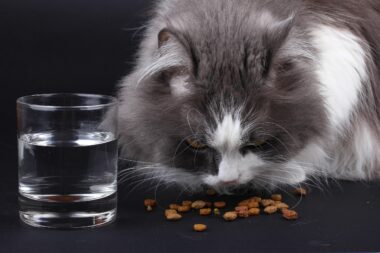
Hydration remains a fundamental aspect of nutrition for cats suffering from kidney problems. Increased water intake can help dilute urinary compounds, minimizing the potential for developing further kidney complications. Cats are notorious for low water consumption, often resulting from their evolutionary ancestry. Therefore, enhancing hydration strategies becomes crucial. Consider integrating wet food into the diet to elevate moisture levels. Wet foods also provide favorable nutrients while considering renal-specific needs. If cats resist wet food, encouraging hydration can still include flavored water or broth. Invest in water fountains since many cats prefer drinking from flowing water instead of stagnant bowls, stimulating intake. Additionally, always provide fresh water daily to promote interest and hydration. Monitoring your cat’s drinking habits also reveals possible changes in health and dietary responses. Hydration also plays a direct role in overall body function, supporting healthy kidney performance. Discussions with veterinarians can unveil new methods for ensuring adequate hydration. The engagement of hydration efforts can contribute positively to a cat’s overall well-being, especially under the constraints of kidney disease.
Measuring success in dietary intervention requires regular follow-up consultations with a veterinarian. Cats’ one-on-one assessments will pave the way to refining treatment. Progress checks via blood tests facilitate insights into kidney functionality levels, aiding in dietary adjustments. It’s important to document changes in behavior, appetite, and overall health during dietary shifts to share during visits. Owning a cat with kidney disease involves a commitment to ongoing care. Pet owners should remain vigilant in observing dietary reactions and symptom progression. Preparing for meal transitions and potential symptom flare-ups can create a better framework for managing kidney health. Offering variety in textures and flavors can help combat any food aversions that might develop. Consider rotating through safe options to discover what suits your cat best. Reward systems involving positive reinforcement during feeding times create enjoyable experiences, cultivating successful eating habits. Consultation with veterinary professionals helps fine-tune this dietary exploration, revealing insights into effective management practices. Knowledge of individual cat behaviors can also guide dietary decisions, leading to more successful interventions.
Supplementing a Kidney-Friendly Diet
Incorporating safe supplements into your cat’s diet can enhance nutritional benefits. Various supplements can aid kidney function and overall health for cats with CKD. Omega-3 fatty acids, derived from fish oil, can help reduce kidney inflammation, offering a protective effect. Discussing supplementation with a veterinarian should be prioritized to ensure safety and effectiveness. Additionally, antioxidants like vitamin E and C play roles in improving the immune response. However, correct dosages tailored to your cat’s weight and health status are crucial. Regarding renal diets, probiotics might provide digestive support, benefitting cats experiencing gastrointestinal issues. Cats with kidney problems may benefit from fiber supplements, which mitigate constipation—a common issue in older felines. Maintaining open communication with your veterinarian regarding supplement choices ensures they complement the primary diet. Keeping track of any noticeable changes in your cat’s health after introducing new supplements is crucial for long-term care. Regular evaluations help gauge their impact on overall health, ensuring they align with the health goals associated with managing kidney problems effectively. Regular updates regarding any symptoms or changes are also paramount.
Fostering a supportive home environment significantly impacts a cat’s ability to cope with kidney disease. Stressors can further exacerbate health issues, making a tranquil space essential for recovery. Simple changes to daily habits or the environment can yield significant improvements in health. Clean, quiet areas dedicated to resting can provide comfort, minimizing feelings of anxiety. Implementing play routines can stimulate mental engagement, encouraging better physical health. Additionally, maintaining a consistent feeding schedule helps regulate appetite and reinforces a sense of normalcy. Stress can manifest in various ways, including refusal to eat and increased anxiety. Close observations of behavioral changes clarify how well kidney disease management programs are working. Behavioral signs sometimes indicate potential problems needing medical attention. By identifying and minimizing stressors in their lives, cat owners can support their pets better. Creating positive interactions increases resilience in facing chronic health issues. Always involve pets in family activities to keep them integrated into the family dynamic, fostering emotional well-being. Engaging families in the extensive management plan ensures comprehensive support adheres to each cat’s needs.