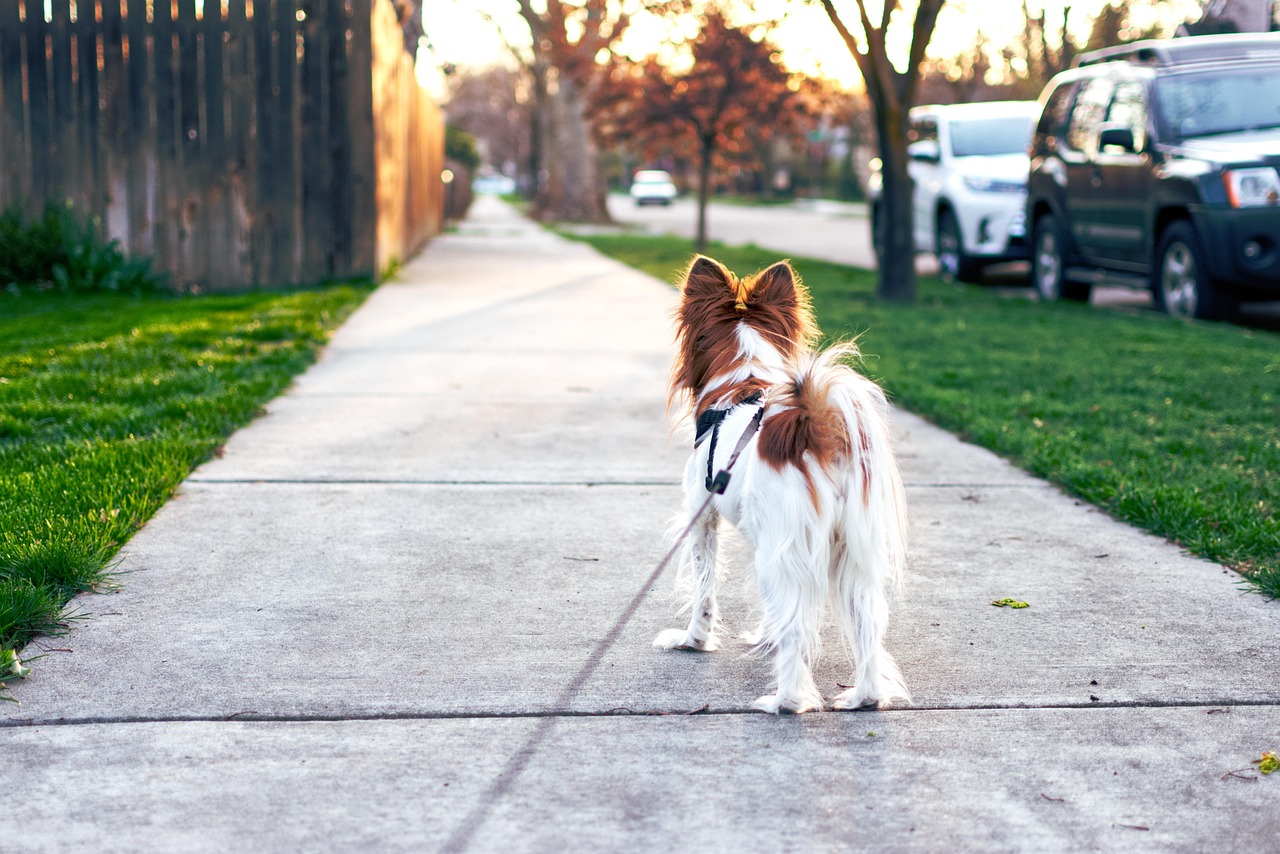

How to Train Rescue Dogs to Walk Calmly on a Leash
Training a rescue dog to walk calmly on a leash can enhance both your relationship with your pet and your daily walks. Initially, it’s important to assess the dog’s behavior to understand their needs. Before starting, make sure you have all the requisite tools: a comfortable collar, a reliable leash, and plenty of treats to reward positive behavior. Begin the training in a quiet environment free from distractions. Allow your dog to get used to the sights and sounds of the environment while on a leash. A rescue dog may require additional patience. Gradually introduce new environments as your dog becomes more comfortable. Always keep the leash loose, as tension can cause stress for your dog. Use treats to reinforce when your dog walks beside you, not pulling ahead. Consistency is key. Try to have practice sessions at the same time every day. Consider including your dog’s favorite toys during training. This helps create a positive association with leash walking. Over time, your dog will develop good leash manners through these rewarding experiences, leading to smooth and enjoyable walks together.
Understanding Your Rescue Dog’s Background
Understanding your rescue dog’s history can significantly influence your training process. Most often, rescue dogs come with a background that might include trauma or lack of training. A dog’s behavior is shaped by its experiences, and being aware can help you modify training techniques. Rescue dogs may exhibit fear or anxiety when first coming home, which can affect their walking behavior. It is vital to be mindful of these emotions. Building trust is essential before formal training begins. Spend quality time with your dog to establish a bond. Short, positive interactions can foster confidence. Identify triggers that cause anxiety when walking, like loud noises or other dogs. Address these in a gradual retreat manner, allowing your dog to acclimate. Create a routine that includes structured walks. Consistency will help your dog feel secure. Additionally, use positive reinforcement like treats or praise whenever they remain calm. Always be empathetic as your dog learns to navigate their new surroundings. With time and understanding, your dog will progress, leading to successful leash walking routines that benefit both of you in your journey.
Another important aspect of training rescue dogs is socialization. Exposing your dog to various environments and situations will help them gain confidence and reduce potential anxiety. Begin this process slowly, introducing your dog to calm and friendly dogs or people. Early and positive social experiences are key to a well-adjusted pet. Take walks in safe and low-traffic areas at first, gradually shifting to different surroundings as your dog becomes comfortable. Encourage interaction with other dogs during play dates or training classes, reinforcing positive behaviors with treats and praise. Supervision is vital during these encounters to ensure safety. Additionally, consider enrolling in a dog training class specifically designed for rescue dogs. A professional trainer can provide valuable insights, techniques, and methods to help with leash training. They can also address specific behavioral issues unique to rescue dogs, facilitating better progress. Socialization efforts will aid in helping your dog walk calmly on a leash by building their comfort level in various environments. Over time, your dog will become more adaptable and relaxed, making walks more enjoyable for both of you and enhancing your overall bond.
Establishing a Training Routine
Having a regular training routine is crucial for consistent progress in teaching your rescue dog to walk properly on a leash. Set aside specific times each day dedicated solely to training. Aim for short, focused sessions lasting between 10 to 15 minutes; this helps maintain your dog’s attention and enthusiasm. Repetition reinforces learning. Use the same commands consistently and ensure all family members are on board with the same training techniques. This creates a unified approach, improving your dog’s understanding. Start in familiar settings, gradually incorporating new, stimulating environments as your dog’s comfort grows. Incorporate activities that combine leash walking with rewarding experiences. For instance, explore nearby parks or nature trails and allow time for your dog to sniff and explore as appropriate, while retaining control of the leash. Additionally, use verbal cues like “let’s go” or “stay close” to engage your dog during walks. Be patient and understanding, recognizing that some days may be better than others. Above all, celebrate small victories! Reinforcement will encourage your dog to follow instructions, ensuring a more pleasant walking experience as their training progresses over time.
Using the right equipment is essential for successfully training a rescue dog to walk calmly on a leash. The choices you make regarding collars, harnesses, and leashes can significantly impact your training success. Consider purchasing a no-pull harness that gives you more control while preventing stress on the dog’s neck. These harnesses help distribute pressure evenly across your dog’s body, making it a comfortable training choice. Additionally, select a leash that provides both durability and grip. A standard 6-foot leash is ideal for maintaining a connection while allowing enough freedom for your dog to navigate. Avoid using retractable leashes, as they can lead to inconsistent training. Scene transitions can be made smoother with well-designed gear that suits their comfort. Incorporating your dog’s favorite toys can also motivate during walks. Try creating a positive atmosphere using interactive gear that keeps your dog engaged. Attach a clicker or training pouch for treats to facilitate training sessions. When your dog responds positively to commands, reward them. Patience and positive reinforcement will yield great results, leading to enjoyable walking experiences for both you and your rescue dog as your bond strengthens.
Addressing Leash Reactivity
Leash reactivity is a common issue among rescue dogs and can be challenging to address. Typically, leash reactivity is a response to feeling threatened or excited by other dogs or stimuli. The first step is identifying the factors causing the reactivity. This may involve observing triggers such as other animals, loud noises, or unfamiliar objects. Once these triggers are recognized, implement gradual exposure during training. Start by maintaining a safe distance from these stimuli, rewarding calm behavior with treats. Continuously reinforce this behavior as your dog grows more comfortable being near the triggers. Gradual desensitization helps them associate positive experiences with previous stressors. When the dog reacts, it’s essential to stay calm and not pull on the leash; this only increases anxiety. Instead, encourage them to refocus on you by using treats or verbal praise. Practicing this technique frequently allows your dog to develop a degree of confidence over time. Consistency is crucial during the process. Moreover, consider consulting with a professional trainer if the issue remains persistent, as they can offer tailored strategies suitable for your dog’s specific situation.
Training your rescue dog to walk calmly on a leash is an ongoing journey that requires patience and commitment. Celebrate every small victory throughout the process as each step contributes to your dog’s overall development. Regular practice is essential to reinforce essential skills that help your dog understand desired behavior. Incorporate engaging activities to enhance your dog’s enthusiasm; this will foster a positive connection to leash walking. It’s essential to practice in various environments to help your dog adapt better to different distractions or situations. Establish a consistent routine to keep your dog focused during lessons while reassuring them with your presence. Continue utilizing techniques that emphasize trust and positive reinforcement techniques to involved dogs in new activities. Coordinate check-ins to assess their progress and adapt methods if necessary. As your dog becomes more educated about leash walking over time, it will likely lead to enjoyable outings together. You will not only improve your physical activity but also strengthen the bond between you and your rescue pet. Through these positive experiences, training your rescue dog positively contributes to their emotional and mental well-being.