
Natural vs Synthetic Cat Supplements: Pros and Cons
When considering cat nutrition supplements, pet owners often weigh their options between natural and synthetic products. Natural supplements are derived from whole food sources, which maintain a better nutritional profile. They are often easier to digest, helping cats absorb essential nutrients more effectively. However, natural supplements can vary in purity, leading to inconsistent nutrient levels. One of the significant benefits of natural supplements is their appeal to holistic pet lovers. Owners frequently prefer these products due to fewer artificial additives and a more organic representation of nutrients. On the other hand, synthetic supplements are manufactured using chemical processes designed to replicate natural nutrients often more potent and may provide a more reliable way of ensuring nutritional consistency. Nevertheless, some synthetic ones may contain preservatives or fillers that could affect a cat’s health. It’s essential to note both types have their merits and demerits. Thus, pet owners must consider their cats’ specific health needs and consult with veterinarians before choosing an ideal supplement option.
Understanding Natural Cat Supplements
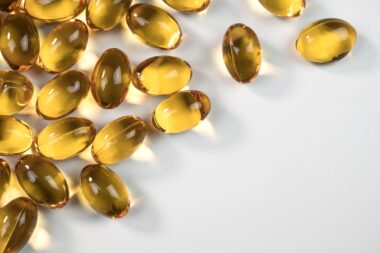
Natural cat nutrition supplements usually stem from plants, fruits, and other organic sources, offering a wide array of choices. They can enhance health by providing vitamins, minerals, and other essential nutrients beneficial for a feline’s overall well-being. Products such as fish oil, probiotics, and herbal supplements are popular among cat owners. Fish oil helps to maintain a shiny coat and supports joint health. Moreover, probiotics can assist in gut health, balancing the microbiome essential for digestive health. However, these natural products tend to have shorter shelf lives compared to their synthetic counterparts, sometimes affecting their usage duration. It’s crucial to carefully research brands to find reliable and reputable sources when purchasing natural supplements. Another factor to consider is the cat’s specific dietary restrictions or preferences, as some cats may react differently to natural ingredients. Owners must closely monitor their pets to observe any changes. Therefore, understanding your cat’s unique needs is vital when deciding whether natural supplements are the appropriate choice for improving their health.
In contrast, synthetic cat supplements are formulated specifically in laboratories to ensure precise nutrient formulation and dosages. These supplements are great for addressing specific health concerns such as arthritis or kidney disease. Many synthetic supplements are backed by extensive research, indicating their efficacy through various studies. Consequently, pet owners often choose these options for more guaranteed results when treating health conditions. For instance, products like synthetic amino acids ensure that cats receive adequate protein support, essential for muscle health. Furthermore, they often come with a longer shelf life, making them more practical for storage. However, pet owners should also pay attention to the ingredients. Some synthetic supplements may contain additives or preservatives that could trigger allergies or gastrointestinal issues in sensitive cats. Thus, thorough research into product composition is necessary. Ultimately, the choice between natural and synthetic supplements will largely depend on both the health status of the cat and the pet owner’s philosophy regarding nutrition. Consulting with a qualified veterinarian can provide invaluable assistance in choosing the right option,
Comparative Effectiveness of Supplements
When evaluating the effectiveness of cat nutrition supplements, both natural and synthetic varieties can provide unique benefits that cater to specific feline needs. For instance, natural supplements are praised for their minimal processing, which may retain nutrients that synthetic products might lack. However, synthetic supplements can often deliver results more quickly due to their concentrated formulations and targeted nutrient profiles. Understanding the effectiveness of each option is crucial for cat owners. For cats with specific health conditions, such as chronic pain or allergies, synthetic supplements may provide faster relief. Meanwhile, owners concerned with long-term health may lean toward natural options to support ongoing wellness. For optimal results, many experts recommend a blended approach, combining both natural and synthetic supplements, depending on the cat’s health. This strategy ensures that felines receive the necessary nutrients while minimizing potential side effects. Additionally, pet owners should keep in mind that individual responses to supplements vary, necessitating close monitoring of their cats’ reactions. Therefore, regular vet check-ups can help determine the best approach to supplementing a cat’s diet effectively.
The sourcing of cat nutrition supplements is equally important, as both natural and synthetic products can vary widely in quality. Looking at the source can help in determining the effectiveness of the supplement. Natural supplements sourced from reputable suppliers often maintain strict quality standards, ensuring the absence of contaminants or harmful substances. Diligent research into the manufacturing processes can help distinguish trustworthy brands, especially in a market flooded with options. On the other hand, synthetic supplements typically undergo standardized testing in regulated environments, offering an added layer of safety. However, this does not imply that all synthetic options are created equal. Some manufacturers may cut corners to reduce costs, potentially resulting in less effective products. It is, therefore, advisable to look for third-party certifications or endorsements from veterinary associations. Consumer reviews can also provide insights into the performance of specific products. Ultimately, informed purchasing decisions can result in improved health outcomes for cats. Establishing a good relationship with a veterinarian can provide guidance on sourcing high-quality nutrition supplements for feline friends.
Potential Side Effects and Risks
When incorporating any supplements in a cat’s diet, understanding the potential side effects and risks associated with both natural and synthetic types is crucial. Natural supplements, despite their appealing nature, can still cause adverse reactions in sensitive cats. For instance, herbal ingredients may lead to allergies, gastrointestinal discomfort, or other reactions if not carefully selected. Furthermore, the effectiveness of natural supplements can vary greatly based on the quality of the ingredients and manufacturing processes. On the other hand, synthetic supplements can also pose risks, particularly if taken in excessive amounts. Over-supplementation can lead to vitamin toxicity or mineral imbalances that may negatively affect a cat’s health. Therefore, following recommended dosages and closely monitoring any changes in behavior or health is essential. It is also important to consult with a veterinarian before introducing any supplement, as they can provide insights based on an individual cat’s medical history. Ultimately, responsible consumption and professional advice can help mitigate potential risks. Having a clear strategy for introducing new supplements ensures a safer supplement routine for every feline.
In conclusion, both natural and synthetic cat nutrition supplements have their respective advantages and disadvantages, making it essential for pet owners to evaluate their options carefully. Adopting a well-informed and consultative approach when considering these supplements will ensure the best outcomes for their cats. Each feline has unique health needs, dietary restrictions, and preferences that owners must respect. By understanding these parameters, owners can select the right combination of supplements catered to their pets. Equally important, observing and documenting any changes or reactions following supplement usage can aid in adjusting the regimen accordingly. Ultimately, the balance between natural and synthetic supplements will depend on the cat’s overall health philosophy adopted by the owner. A collaborative effort between clients and veterinarians can lead to optimized health and nutrition strategies. Being proactive and involved in a cat’s well-being journey ensures a happier, healthier life for our feline companions. This journey represents a commitment not just to feeding but nurturing our cats, paving the way for a longer, healthier life filled with joy.