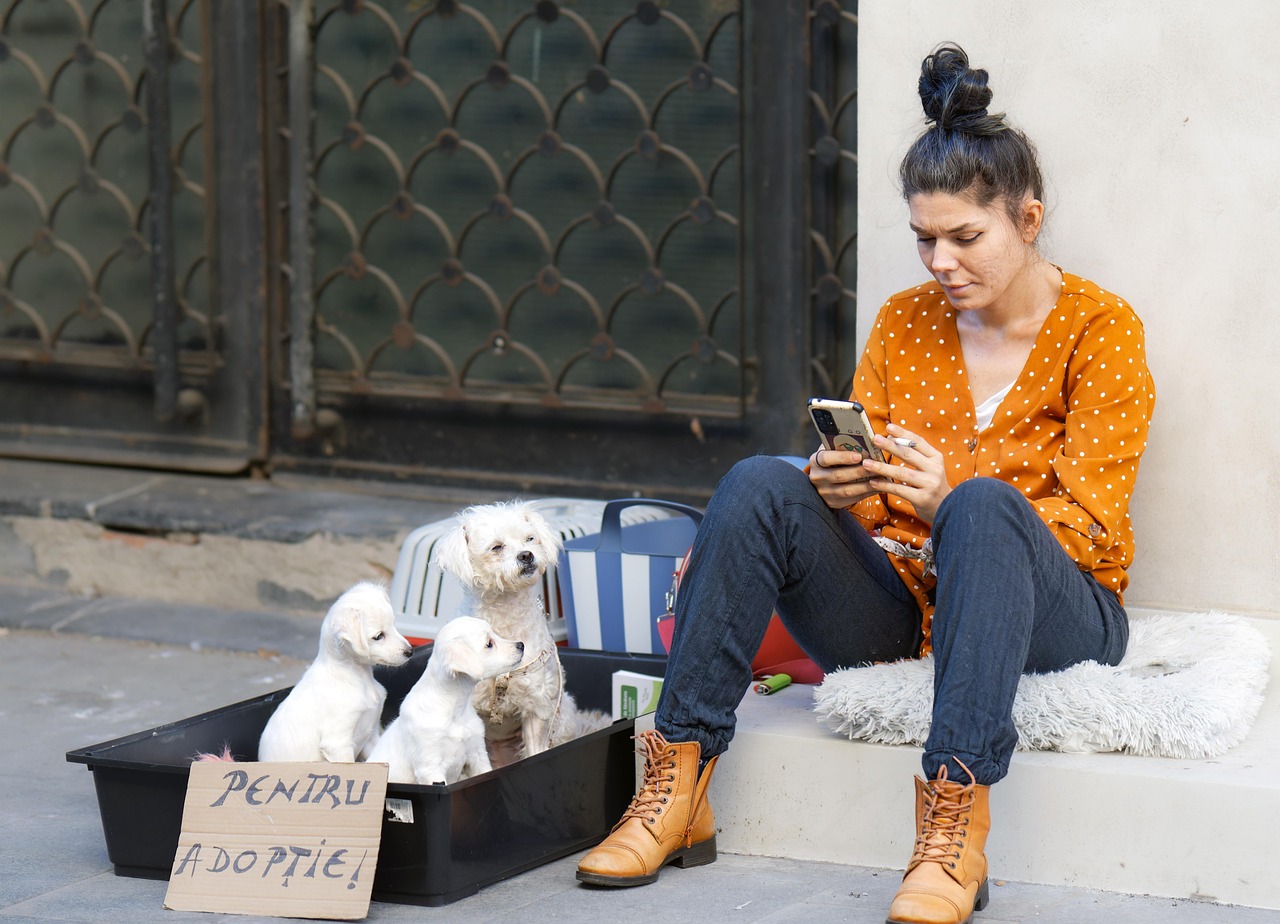

Preventing Separation Anxiety in Dogs Adopted in Urban Settings
Adopting a dog in an urban environment can be rewarding but challenging. Separation anxiety is a common issue faced by many adopted dogs, especially in sprawling cities. Various factors contribute to separation anxiety, which is particularly heightened by the hustle and bustle of urban life. Signs of separation anxiety can include excessive barking, destructive behavior, and even attempts to escape confinement, making it essential to approach dog adoption thoughtfully. Urban residents often have busy schedules, which can mean long hours away from home. This situation doesn’t help anxious dogs who have recently been relocated from shelters. Preventive measures are crucial to reduce the impact of separation anxiety. Gradual acclimatization and ensuring consistent routines will help your dog learn that it’s okay to be alone temporarily. Moreover, providing engaging toys, background sounds, and creating a calm atmosphere can greatly ease their transition into urban living. Consider this aspect carefully to ensure a smooth adjustment period. Resources like training classes and professional help can be beneficial when transitioning your dog to a new environment, ensuring they feel secure in your urban home.
Understanding the causes of separation anxiety is essential for urban dog owners. Dogs are social animals that thrive on interaction. Living in an area with many public noises and stimuli, dogs may experience stress in their new homes. To minimize feelings of distress, it is advisable to provide a safe space for your dog to retreat. This area may include their bed, toys, and perhaps an item of clothing with your scent. Establishing a comfortable environment ensures they feel secure, even during your absence. As part of creating that sense of security, gradually increasing the time you spend away from home is recommended. Start with just a few minutes and slowly build up to longer durations. This approach allows your dog to adjust without feeling overwhelmed. Additionally, incorporating positive reinforcement while leaving them alone can create a positive association with your departures. Reward them with treats when they stay calm while you step out, encouraging desirable behavior. Implementing a consistent schedule will also assist in routine building, lessening the chances of anxiety-related behaviors in your newly adopted canine companion.
Training and Interaction Strategies
Training plays a significant role in preventing separation anxiety, especially for dogs living in urban areas. Techniques that foster independence when you’re present will make your dog more comfortable when left alone. Start by engaging your dog in activities that promote confidence, such as basic obedience. Teaching your dog commands like ‘stay’ and ‘sit’ will help them understand boundaries. Schedule regular playtime and exercise sessions, as physical activity is crucial for maintaining a calm and happy dog. Daily walks provide mental stimulation, which can help alleviate anxiety. Interactive toys can also keep your dog occupied while you are away. Puzzle toys that challenge your dog’s problem-solving skills can distract from your absence. Additionally, consider using scent-related activities to engage your dog’s senses. Using items like treat-dispensing toys can allow them to work for their treats, resulting in mental stimulation and reducing stress. Urban environments present unique challenges, but incorporating these strategies can ease the transition and make your adoptive dog comfortable during periods of separation.
A routine is essential for urban dogs to thrive and reduce anxiety levels. Having a consistent schedule for feeding, walks, and playtime helps your dog understand what to expect each day. This predictability creates a sense of stability, which is particularly important in a bustling environment filled with numerous distractions. Urban settings often offer various parks and pet-friendly spaces where you can socialize your dog. Socialization is key in helping your dog feel secure. Regular visits to these spaces help your pet acclimate to different stimuli they may encounter. Interaction with human and canine companions can boost their confidence, allowing them to learn appropriate behaviors. Be mindful, however, of your dog’s social preferences. Some dogs may require more time, while others may adapt quickly. Pay attention to signs of stress during these interactions, and adjust as necessary to create positive experiences. By blending routine, socialization, and positive reinforcement, you set the foundation for a well-adjusted dog capable of handling urban life calmly and confidently, minimizing the likelihood of separation anxiety in the long run.
Environment Enrichment and Comfort Measures
Creating a comfortable environment for your dog is crucial in preventing separation anxiety. Urban areas can be overwhelming for some dogs, so providing them with a secure and relaxing space within your home is necessary. Ensure your dog has a comfortable bed, blankets, and personal items that carry your scent. Familiar objects help them feel more connected even when you’re not home. Incorporate designated zones in your home where your dog can retreat during stressful situations. Additionally, consider using calming aids, such as pheromone diffusers or calming music designed for dogs. These products can create a soothing atmosphere while you are away, contributing to a less anxious state. When you leave the house, provide a safe route for your dog to navigate, minimizing any potential hazards. Keep adjustment periods in mind, allowing your pet to settle into their new environment gradually. Observe how your dog interacts with their space and modify the environment based on their preferences. By focusing on these comfort measures, you can significantly decrease your dog’s anxiety levels while they adjust to urban living.
Engaging professional help can sometimes be necessary to address severe separation anxiety in adopted dogs. Many trainers and behaviorists specialize in anxiety-related issues, utilizing various approaches to modify behaviors, including creating individualized training plans. Seeking guidance from a professional can provide you with useful tools to implement tailored strategies for your dog. Enrichment training, behavior modification techniques, and even remedial measures like medication may be recommended. Canine anxiety can also stem from past experiences in shelters, so understanding your dog’s history is vital. Approach this situation with patience and dedication. Make sure to consult with a vet before starting any new treatment plans, especially concerning medications, to avoid adverse reactions. Collaboration with your veterinarian ensures that any health issues are taken into account when addressing behavioral concerns. Additionally, consider attending support groups or community training classes that focus on separation anxiety. These resources can offer insights, share experiences, and help create an understanding network of support among dog owners. Your commitment to your dog’s mental health fosters a positive experience for both of you in your urban lifestyle.
Conclusion
While adopting a dog in an urban setting comes with challenges, being proactive can foster an environment that minimizes separation anxiety. Building a solid routine, providing training, and engaging in enriching activities will ease the integration of your dog into city life. The importance of understanding your dog’s unique needs cannot be overstated. Every dog is an individual, and their comfort level in urban settings varies immensely. Ensuring your dog feels safe and secure requires ongoing effort, dedication, and patience, as well as a willingness to adjust your strategies based on their responses. Emphasize positive reinforcement and create rewarding experiences when managing your dog’s anxiety. Approaching the challenges of urban living requires adaptable strategies that consider both the dog’s and your needs. Separation anxiety may still be a reality for many adopted dogs, but with the right methods, you can relieve their stress and foster a loving and supportive environment. In doing so, you will not only create a harmonious home but also nurture a lasting bond between you and your new canine companion as they thrive in their urban setting.
By understanding and implementing these techniques, you significantly increase the chances of a positive outcome for your adopted dog. The transition to a new home can be a significant adjustment for any animal, particularly for those who have experienced displacement from shelters. With your dedication and thoughtful approach, you can help your canine companion navigate the complexities of urban living while developing the confidence necessary to thrive. As you embark on this journey, remember that every small step counts. Celebrate progress, look for signs of improvement, and stay committed to fostering a sense of security in your dog’s life. The close bond that develops through this shared journey will yield countless rewards, enriching your relationship and providing your dog with a happy, loving environment. Ultimately, investing the time and effort to address separation anxiety in your newly adopted dog is an invaluable endeavor. Your attentiveness and commitment set the foundation for their well-being in an urban landscape. Every experience shared will strengthen your friendship, ensuring many joyful moments ahead.