
Recognizing When Your Dog Needs Socialization Support
Socialization is a critical aspect of developing a well-adjusted canine companion. Many pet owners often overlook the signs that their dog may require additional support in this area. For instance, observing how your dog interacts with other animals and people can provide vital clues about their socialization needs. Signs that your dog may need socialization assistance include excessive barking, aggression, or fearfulness. It’s essential to recognize these behaviors early to prevent them from becoming ingrained habits. Keeping a thoughtful eye on how your dog responds to various environments can help identify stressors and triggers. Additionally, if your dog shows reluctance to join groups or appears fearful in new settings, it may indicate that they are struggling. Enrolling in focused socialization classes can provide structured opportunities for guided interaction with other dogs. These classes often include exposure to various stimuli and gradual acclimatization to new situations. Consistency in practice is key, as is patience. Owners should work closely with trainers to foster a supportive learning environment that emphasizes positive reinforcement.
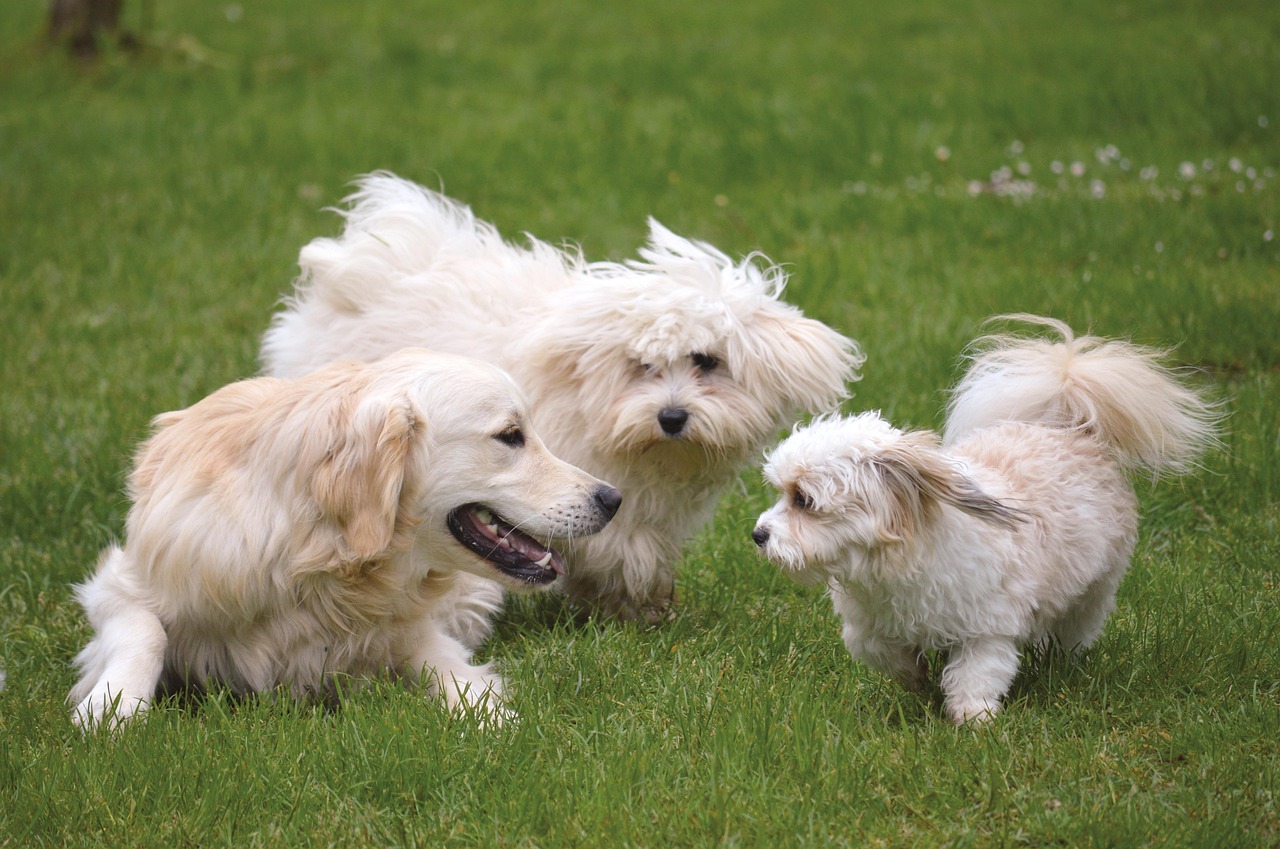
Every dog’s personality is unique, meaning the signs indicating a need for socialization support can vary significantly. One approach to assess your dog’s comfort level in social interactions is through controlled playdates. Observing your dog’s reactions during these playdates can yield insightful information. If your dog becomes overly dominant or submissive in these situations, these tendencies may signal a need for intervention. Dogs who seem constantly on guard or overly anxious when meeting new friends might need an additional layer of support to foster desirable behaviors. Pay attention to the context; baseline anxiety might be exacerbated by the type of dog introduced or the environment’s distractions. Therefore, partner with trained professionals who can guide effective interactions and teach you tips that promote relaxation. Furthermore, consider whether your dog has previously experienced positive or negative social engagements that shape their current demeanor. For those with past traumas or fears, therapeutic interventions might help alleviate anxiety and reshape perspectives toward other dogs. Alongside socialization classes, exploring alternatives like controlled exposure allows dogs to build confidence through gradual experiences.
The Importance of Early Socialization
Socialization isn’t just a one-time event; it’s an ongoing process that evolves with your dog. Puppies must be exposed to various people, environments, and other animals during their early developmental stages to foster healthy interactions later in life. On the contrary, if a dog doesn’t experience these exposures, it may become fearful or aggressive as it grows older. Fear or aggression can manifest in multiple ways, such as growling, barking, or even aggression. Those behaviors typically arise from anxiety or uncertainty, making it crucial to evaluate your dog’s experiences throughout their life stages. Even older dogs can benefit from socialization but may require additional support if they’ve not enjoyed success in their younger years. Implementing socialization methods should be approached gradually; overwhelming an anxious dog can lead to even more pronounced stress or negative associations. Instead, begin with low-pressure situations where your dog feels comfortable and gradually expose them to new stimuli. The goal is to cultivate positive experiences, ensuring these social events are both enjoyable and rewarding. Celebrate small achievements in reaching social goals; these victories will help to build your dog’s confidence.
Obedience training can also aid in socialization efforts. Commands like ‘sit’ and ‘stay’ are useful in managing your dog’s actions in social settings. This foundational training fosters better control and enhances your ability to redirect your dog when necessary. When paired with consistent socialization experiences, obedience skills lead to more positive encounters with others. Additionally, focusing on basic commands can provide a necessary buffer against reactive behaviors. For instance, if your dog appears anxious when meeting new people, instruction to ‘sit’ might offer a moment of calm. Creating an enjoyable atmosphere also matters; interactive play at home can develop trust and improve your dog’s confidence before introducing them to various settings. Gradually increasing the complexity of social situations allows your dog to adapt and grow. Remember, the ultimate objective is a well-rounded pet who views the world as a friendly place. In repeated scenarios, your dog can learn cues and strategies to promote their confidence gradually. Encouragement and rewards highlight successful interactions and motivate further positive behaviors over time.
Utilizing Professional Support
While many dogs benefit from owner-led efforts, sometimes a dog can derive significant advantages from enrolling in professional socialization classes. Trainers specializing in canine behavior can observe interactions and provide constructive techniques to manage negative tendencies. Participating in small group settings with a qualified trainer offers an opportunity for controlled exposure to various dogs and situations. Socialization classes are designed to foster camaraderie, teaching dogs how to navigate complexities in multipet interactions positively. Consider seeking trainers who emphasize positive reinforcement methods, as these techniques align well with contemporary behavioral science. Additionally, group classes allow owners to network with other pet lovers, sharing experiences that can enhance learning on multiple levels. It can be empowering to exchange stories and strategies with fellow attendees, furthering your understanding of effective approaches. Consulting professionals draws upon their expertise to help guide you through the process, ensuring you aren’t navigating challenges alone. While it’s essential to nurture your dog’s socialization journey, these partnerships can provide reassurance and additional insights for developing better canine citizens.
Regular monitoring of your dog’s social behavior is vital. Evaluate their reactions every few months to determine if patterns emerge that suggest a decline in their social skills. Be particularly attuned to changes in their demeanor in unfamiliar situations or unfamiliar dogs. If previously friendly, a once sociable dog exhibiting withdrawal might warrant concern and prompt further investigation. Implementing progress tracking allows you to analyze situations where your dog excels or struggles. Keep a journal recording sessions and interactions with other dogs. Track transitional behaviors, referring back to determine if training is effective or if adjustments are necessary. Sharing these observations with your trainer can significantly streamline the focus of ongoing sessions. This collaborative effort develops teamwork between you and your trainer, establishing a more conducive path toward success. Ultimately, prioritizing your dog’s ongoing socialization journey can significantly enhance their overall quality of life. A well-adjusted dog forms healthier relationships with their environment, increasing their ability to partake in enjoyable activities confidently and dynamically. Adapting your training methods ensures everything remains positive and fulfilling for your canine companion.
Conclusion
In conclusion, recognizing when your dog needs socialization support is fundamental for their well-being. By staying attuned to their behaviors and responses, you not only help them thrive but also cultivate a stronger bond. Whether through group classes, training, or expert guidance, a proactive approach and patience are essential to visibly fostering your dog’s social skills. Remember, not all dogs develop at the same pace, and some may require extra help based on their history and personality. Those who are retired from prior socialization engagements might require tailored support. As such, every dog represents a unique journey towards improvement. Thus it is indispensable for dog owners to utilize all available resources, including trainers, books, and online forums, to gain insights into best practices. Encourage a varied environment with ongoing, positive experiences to help maintain social skills. Moreover, the inclusion of enrichment activities can stimulate both social and mental needs. Ultimately, the aim is to achieve a balanced and sociable dog who enjoys enriching activities and engages confidently. Establishing supportive networks and fostering learning environments for both dogs and owners always promotes a more harmonious relationship.
Ensure that you’ve identified and addressed potential challenges your dog faces in terms of socializing. Remaining receptive to your dog’s needs can foster a deeper relationship and improve their happiness. By cultivating awareness of their responses to engaging or avoidant behavior, owners can identify when they require assistance. As has been illustrated, various factors influence a dog’s social ability, from environmental experiences to innate temperament. Monthly check-ins can help maintain those healthy social skills, offering insight into necessary adjustments along the way. Exercising patience in your approach is paramount, allowing your dog to succeed incrementally rather than expecting immediate results. Become an advocate for your dog’s needs. Over time, implement connections within the community through socialization or behavioral programs that align with their needs. Establishing friendships with other pets enduring similar paths can create a support network enhancing their comfort. A socially adept dog contributes positively to their surroundings and raises awareness amongst peers about the significance of social skills. Develop a community where positivity flourishes. The bonds formed during the socialization process can offer your dog lifelong benefits in their journey toward being the ideal canine companion.