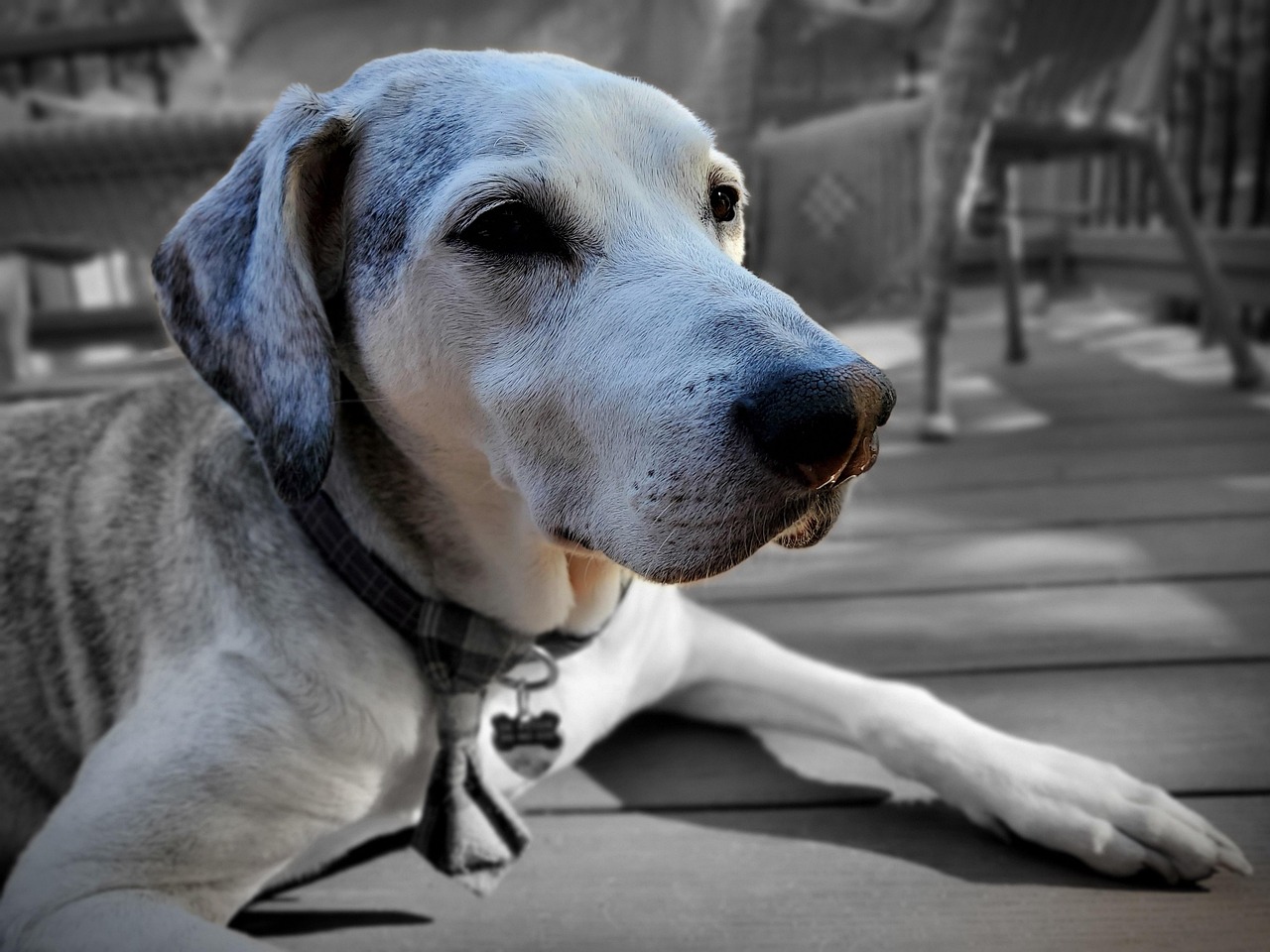

Senior Dog Travel: Tips for Train and Public Transport Journeys
Traveling with your senior dog requires careful planning and consideration. Senior dogs may have specific needs due to age-related issues, such as arthritis or anxiety. Before embarking on a journey, ensure your dog is fit for travel. A vet check-up can help identify any potential health risks or comfort needs. Always bring along your dog’s favorite blanket or bed, as familiar bedding can offer extra comfort during travel. It’s also important to consider the duration of your journey and how frequently you’ll need to make stops for bathroom breaks or walks. Make sure to choose a service that accommodates dogs and to check their rules regarding pet travel. During your trip, hydration is key; always provide fresh water for your furry friend. You can carry a collapsible water bowl for convenience. Bring treats and snacks that your dog loves to keep them comfortable and distracted. Senior dogs may require extra potty breaks, so research in advance for pet-friendly areas. Check train and transport rules to avoid surprises and confirm your dog is welcome on your journey.
Preparing for the Journey
Preparation is crucial for a successful trip with your senior dog. Start by collecting all necessary documentation, including vaccination records, health certificates, and any specific medications your dog may need. Make a checklist of travel essentials, such as leashes, collars, and ID tags, to ensure you don’t forget anything. Consider purchasing a comfortable harness or pet seatbelt for added security while traveling. This will help keep your dog secure and prevents unnecessary movement during the journey. If your dog suffers from motion sickness, talk to your veterinarian about possible remedies. Gradually acclimate your dog to travel by taking short trips leading up to your longer journey; this will reduce anxiety. For public transportation, review their policies regarding pets to avoid any surprises at the last minute. If your dog is large, you may need a crate or carrier, so ensure it’s well-ventilated and spacious enough for your senior dog to stand, turn around, and lie down comfortably. Also, remember to label your dog’s carrier with your contact information for identification purposes.
Keep your senior dog engaged during travel by introducing interactive toys or chew items. These will help alleviate boredom and provide mental stimulation while on the road. Ensure breaks are scheduled so both you and your dog can stretch out and enjoy some fresh air. Find areas that are dog-friendly for breaks where your furry friend can explore safely. Maintain an awareness of your dog’s health status throughout the journey; look out for signs of fatigue or discomfort. If necessary, adjust your travel pace and take more frequent breaks. Staying calm and relaxed is essential, as dogs tend to mirror their owner’s emotions. If your dog experiences anxiety, utilizing calming products such as pheromone sprays or anxiety wraps before travel can be beneficial. Always pack a first aid kit specific to your dog’s needs, which includes items like bandages, antiseptic, and any prescribed medications. Additionally, it’s imperative to familiarize yourself with local vet clinics at your destination should an emergency arise. Having access to reliable veterinary care ensures peace of mind and supports your dog’s well-being during your travels.
Choosing the Right Transportation
The type of transportation you choose plays a significant role in the overall travel experience for you and your senior dog. Research various train and public transport services to find options that prioritize pet-friendly accommodations. Some trains may have designated areas for pet comfort, so inquire in advance. Determine if there’s a possibility to book a compartment if your dog requires extra space. When it comes to buses or subways, familiarize yourself with allowed sizes for pets and their requirements, as this often varies by city or company. It’s essential to ensure your dog remains comfortable, especially on longer journeys; make arrangements for crate transport if needed. Check if there are specific times when public transport is less crowded to reduce stress for both you and your senior dog. Confirm pet policies about fees, documentation, and on-board restrictions. Additionally, if your dog has special needs or health concerns, consider your options carefully to avoid stressful experiences. Evaluating the advantages and disadvantages of public transport versus driving can make your journey smoother and more enjoyable.
Once you reach your destination, keep in mind that senior dogs might need some time to acclimate to new environments. Allow your dog to explore their surroundings at a comfortable pace. Be cautious of potential hazards, such as uneven terrains or slippery surfaces, which could pose risks for senior dogs. Introduce them to the new home gradually and provide them with a designated area that feels safe and familiar. Include their favorite blanket or a bed in this space. In addition to addressing their physical comfort, ensure your dog has access to plenty of hydration and appropriate food during your stay. Consult your veterinarian if you believe a change in diet is necessary while traveling. If you’ll be staying with friends or family, discuss pet boundaries and rules ahead of time to ensure a harmonious visit. Having a routine can be reassuring for senior dogs; maintain feeding and walking schedules as closely as possible to what they are used to. Be attentive to any signs of stress or fatigue, as managing your senior dog’s health is vital while away from home.
Returning Home
After your travels, allow some time for your senior dog to adjust back to home life. Just like they may have needed time to acclimate to new surroundings at your destination, they may also require time to readjust when back home. Inspect your dog for any signs of discomfort or fatigue that may have developed during the trip; monitor their eating and drinking habits. As they settle back in, resume your familiar routines to provide a sense of normalcy and continue providing daily exercise appropriate for their condition. Some senior dogs may experience travel fatigue, which can manifest in lethargy or reluctance to engage in their typical activities. Keep an eye on them and offer plenty of rest while transitioning back. You can also take the opportunity to review what worked well and what didn’t during travel, noting any changes or concerns to discuss with your veterinarian if necessary. Be prepared for the possibility of your senior dog needing a few extra cuddle times or reassurance as they adapt back to their everyday life. This is essential for their emotional well-being and comfort.
Considering the unique needs of senior dogs can greatly enhance travel experiences for both you and your furry friend. By planning ahead with effective strategies catered to their requirements, you can create a more enjoyable trip for you both. Always remember to carry essential items for their comfort and safety, and maintain open communication with your veterinarian about any travel concerns. Equip yourself with information on available resources at your travel destination, including emergency veterinary clinics, parks, and pet-friendly facilities. Making your senior dog feel secure ought to be a top priority throughout the journey, contributing to a stress-free experience. Regular breaks, hydration, and comforting familiar objects are fundamental to maintaining your dog’s well-being. When returning home, take the time needed for adjustment while still focusing on their health and happiness. If any challenges arise, remain patient and adaptable; your understanding will go a long way in fostering a bond of trust and love between you and your senior dog. Happy travels await those who are prepared, and your senior dog will appreciate the special treatment throughout.