
The Connection Between Boredom and Aggressive Play in Cats
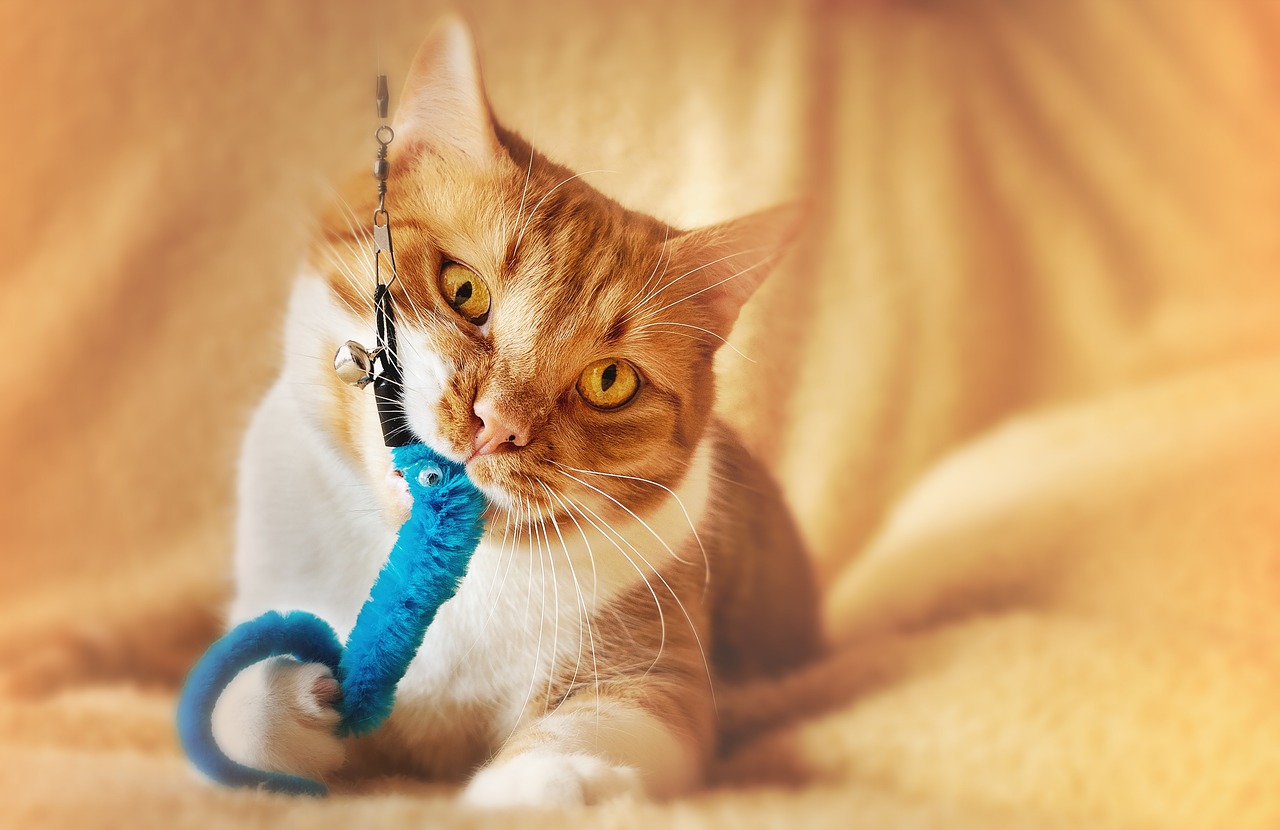
Cats are famously independent creatures, yet their behavioral needs often go unmet, leading to significant consequences. Aggressive play behavior is frequently observed in bored cats, which can manifest as excessive biting, scratching, or other forms of rough play. This behavior stems from a lack of stimulation and engagement. Cats are natural hunters, requiring physical and mental activity to thrive. When they do not receive adequate outlets for their predatory instincts, they may become frustrated and turn this energy into aggression. Understanding the relationship between boredom and aggressive play is essential for cat owners, who must ensure their felines are entertained adequately. Toys, interaction, and environmental enrichment can help mitigate this behavior. One popular solution is to engage in interactive play with your cat using feather wands or laser pointers. Regular play sessions can act as a healthy outlet for excess energy. Additionally, providing scratching posts and climbing structures can also satisfy your cat’s instinct to explore and hunt. Owners need to remain observant and attentive to their cats, identifying signs of boredom and taking measures to enhance their feline’s environment.
Identifying the signs of aggressive play in cats is crucial for intervention. Cats exhibit aggressive play behavior when they feel cooped up or mentally unstimulated. Some signs include overly rough play, attacking legs or hands, and vocalizations such as growling or hissing. Many pet owners find themselves on the receiving end of aggressive play, leading to concern for their safety and their cat’s happiness. By recognizing these behaviors, owners can take steps to provide more engagement and stimulation. It is also beneficial to consider each cat’s unique personality because some breeds may be more prone to aggressive play. For instance, breeds like Abyssinians or Bengals are often high-energy. Therefore, they require more active play compared to more sedentary breeds. Offering different types of toys and interactive games can satisfy your cat’s specific needs. Puzzle toys that dispense treats can both challenge and engage cats mentally. Furthermore, rotating toys regularly keeps their interest piqued and can prevent boredom. By recognizing signs of boredom in aggressive play, owners can avoid behavioral issues and promote a positive, loving environment for their cats.
Understanding the psychology behind a cat’s aggressive play behavior is critical for effective management. While aggression during play may seem alarming, it often serves as an outlet for pent-up energy, much like a child throwing a tantrum. For cats, a lack of mental stimulation can drive them to act out, leading to behaviors that can disrupt household harmony. They often revert to instinctual hunting behaviors, which are fun in their eyes but can be problematic if directed at humans or other pets. It is essential to provide safe and appropriate outlets for such aggression. Engaging in structured playtime promotes healthy behaviors and fosters a strong bond between owner and pet. Additionally, training cats to understand boundaries during play is pivotal; using commands like “no” or stopping play when it becomes too aggressive can teach valuable lessons. Owners can also observe their cat’s play patterns to determine preferences, thus tailoring their approach to keep them engaged. By understanding what causes aggressive play behavior, owners can modify their strategies and improve their feline companion’s quality of life. This awareness leads to better outcomes for both cats and pet owners.
Environmental Enrichment Strategies
Implementing effective environmental enrichment strategies can drastically reduce aggressive play behavior in cats. Creating an engaging environment is essential to keeping your cat stimulated and happy. This can include various elements, such as climbing trees, scratching posts, and interactive toys. Providing multiple levels for climbing can satisfy your cat’s natural hunting instincts. A window perch can also provide entertainment for your cat, allowing them to observe wildlife and their surroundings. Moreover, incorporating hide-and-seek spots within your home gives them places to explore and investigate. Implementing these enriching features creates a more dynamic living space, preventing boredom. Another strategy is to engage cats with feeding puzzles that require problem-solving skills, keeping them mentally stimulated throughout the day. Changing toys frequently will also keep their interest alive, as cats like variety. In addition to physical toys, consider introducing sensory stimulation through sounds or scents. Catnip or pheromone diffusers can create a calming atmosphere while stimulating their natural instincts. All these environmental improvements will not only curb aggressive play behavior but also foster a well-adjusted and relaxed feline companion.
Maintaining a schedule for interactive playtime is crucial for managing your cat’s behavior effectively. Establishing a daily routine where you set aside dedicated time for play can significantly enhance your cat’s quality of life. During these sessions, utilize various toys to keep the experience fresh and exciting. Rotating toys and introducing new ones will prevent your cat from becoming bored and reverting to aggressive behaviors. It’s also beneficial to incorporate short, frequent play bouts rather than long sessions that can tire both the cat and the owner. A few 10-15 minute play sessions each day can lead to a happier and more engaged cat. Establishing positive reinforcement methods will help your cat understand desired behaviors better. Rewarding calm play with treats or praise reinforces good behavior. Furthermore, observing your cat’s reactions during play can help identify what works best and when they are becoming overly stimulated. By maintaining this balance, you can create a more harmonious living space. Over time, you will likely notice reduced aggressive tendencies as your cat becomes more fulfilled and content with their environment and lifestyle.
Promotion of a well-rounded diet is also a factor in reducing aggressive play behavior. Nutrition plays a critical role in overall cat health and behavior management. A high-quality diet rich in necessary vitamins and minerals supports a healthy energy level, leading to a more balanced temperament. Some cats may exhibit playful aggression due to hunger or dietary deficiencies. Consult your veterinarian to ensure your cat’s diet meets their needs and avoid hyperactivity caused by certain ingredients, such as excessive carbohydrates. Feeding a premium quality protein-based diet can be beneficial. It’s also advisable to monitor portion sizes to prevent obesity that may contribute to lethargy. Additionally, considering the timing and consistency of meals can reduce anxiety around feeding times, which often leads to overexcitement or aggression during play. Establishing a healthy routine for feeding, play, and rest will make your cat’s behavior more predictable and manageable. Owners should pay attention to their pet’s body language and adjust their care approaches accordingly. In this manner, you create a healthy balance in your cat’s lifestyle, which will ultimately help reduce aggressive play behavior.
Conclusion
In conclusion, recognizing and addressing the relationship between boredom and aggressive play behavior in cats is crucial for their well-being. Cats require adequate physical and mental stimulation to thrive in any living environment. Boredom can lead to frustration that manifests as aggressive play, which can become a problem for owners. By providing engaging activities, interactive toys, and structured playtime, you empower your cat to channel their energy positively. Observing and understanding their unique behaviors will help tailor the right strategies for each feline. Moreover, the incorporation of balanced nutrition and environmental enrichment will further enhance their quality of life. Ultimately, nurturing a healthy, stimulating environment greatly reduces instances of unwanted aggressive behavior, allowing for a much more harmonious relationship with your pet. Creating a flourishing home for your cat involves not only addressing immediate behavioral issues but proactively making lifestyle changes that benefit you both. Well-stimulated cats are happier, healthier, and more affectionate companions. Take the time to engage with your cat regularly, and watch as their behavior improves, fostering a deeper bond between you and your feline friend.
By focusing on boredom as a root cause of aggressive play, you can significantly improve not only their behavior but their overall happiness. Positive play experiences can become great opportunities for bonding. Regular and consistent interaction will lead to better understanding and communication between you and your cat.