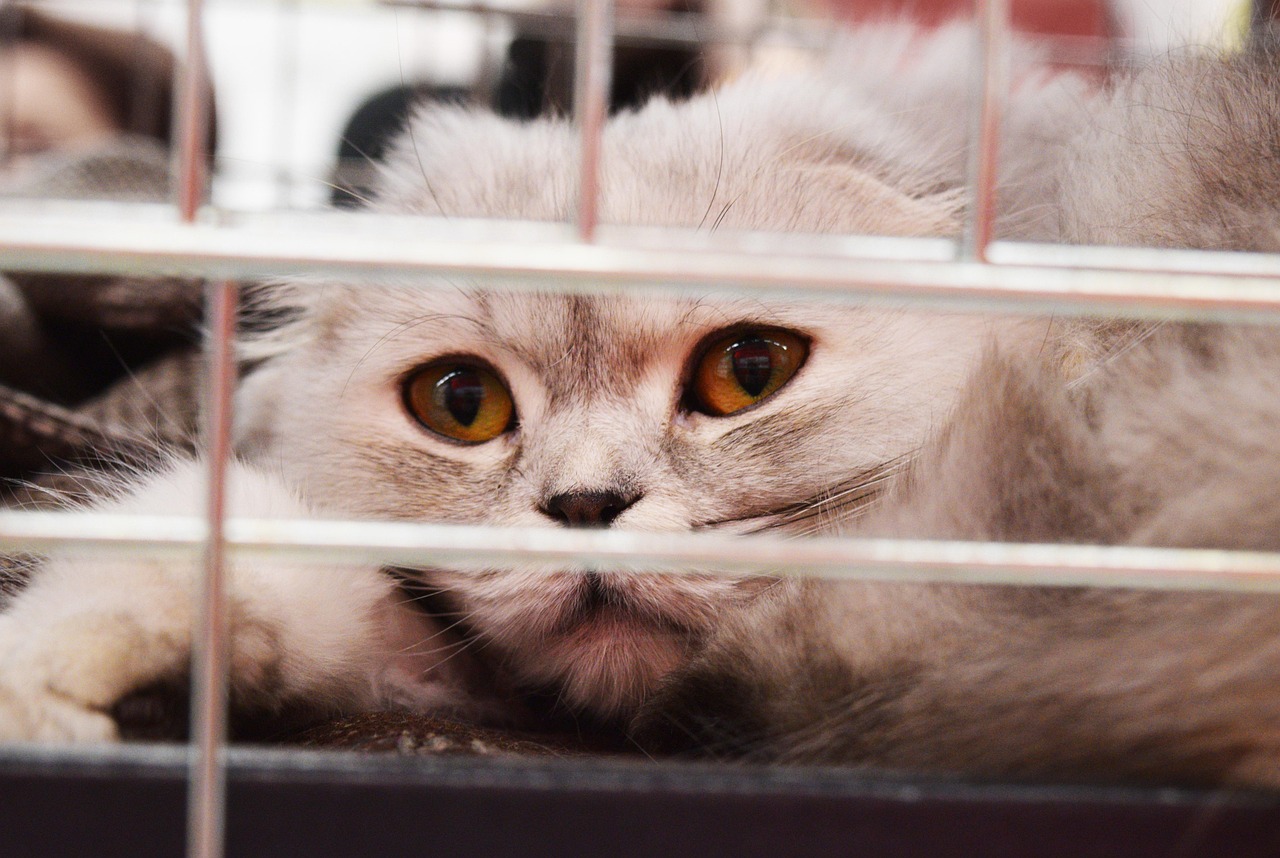

The Relationship Between Shelter Length of Stay and Cat Stress Levels
The mental health of cats in rescue and shelter environments is a crucial aspect of animal welfare. Studies have shown that the length of stay in such facilities can significantly impact a cat’s stress levels, leading to various health issues. Stress can manifest in numerous ways, including behavioral changes, physical ailments, and even increased aggression. In environments where cats are housed for extended durations, the accumulation of stress can result in what is known as shelter stress, characterized by anxiety and a lack of coping mechanisms. Understanding this phenomenon is essential for shelters aiming to improve the well-being of their feline residents. Various factors including enclosure size, social interaction with humans, and the presence of environmental enrichment can influence stress. It is essential for shelters to provide a calming atmosphere that minimizes stressors, facilitating a smoother transition for cats awaiting adoption. Long-term residents may require more tailored care strategies to ensure they thrive while waiting for a forever home. Consequently, reassessing shelter practices and promoting shorter stays can foster better mental health outcomes for rescued cats.
Research indicates that prolonged periods in a shelter can lead to heightened stress levels in cats. When cats are exposed to constant noise, smells, and the presence of unfamiliar animals, they often experience distress. This environment can exacerbate feelings of anxiety and fear, making it challenging for the cats to feel secure. Mental health is heavily influenced by the surrounding physical conditions. For instance, overcrowded conditions can trigger competition for resources, increasing territorial disputes. Stress can affect a cat’s immunity, making them vulnerable to illnesses while in the shelter. This scenario illustrates the need for adopting comprehensive management strategies that focus on reducing cats’ lengths of stay by improving adoption processes and reducing shelter overpopulation. Behavioral modifications and enrichment actions can mitigate stress during their stay, making them more adaptable post-adoption. It is vital for shelters to prioritize their resources by funding initiatives that decrease the time cats spend in stressful settings. A holistic understanding of these dynamics can ultimately lead to protocols that promote effective welfare strategies tailored for long-term residents, enhancing your chances that these animals thrive.
One significant aspect of cat management in shelters is understanding the importance of socialization. When cats are in a shelter for too long, they may lose their ability to interact positively with people and other animals. Extended loneliness and lack of proper human contact can lead to psychological problems, further complicating the adoption process. Therefore, promoting positive interactions through dedicated socialization programs can help alleviate stress and anxiety in cats. Shelters can implement fostering programs where volunteers can take cats into their homes temporarily, allowing for a more nurturing experience. Such initiatives not only facilitate a break from the shelter environment but also provide valuable insights into the cat’s behavioral tendencies. Fostering can ultimately lead to quicker adoptions by showcasing the cat’s personality in a more typical home setting. Moreover, a shorter shelter stay can improve bonding opportunities between future owners and adoptive cats. By ensuring that cats have positive experiences during their time in shelters, you set the stage for successful transition into lifelong homes, which results in substantially reduced stress levels and improved mental health.
The Role of Environmental Enrichment
Environmental enrichment is critical for maintaining cat mental health in shelter settings, as it significantly reduces stress. Providing diverse stimuli, such as toys, climbing structures, and puzzle feeders, can engage cats mentally and physically. These enrichment tools create an engaging habitat that encourages natural behaviors, which is vital for their overall well-being. Studies have demonstrated that cats provided with enrichment activities exhibit less stress and higher adoption rates compared to those with limited stimulation. Inadequate environmental elements can lead to repetitive behaviors and poor mental health outcomes. Additionally, social enrichment through positive human interaction will boost their psychological resilience. Educating shelter staff and volunteers about the effects of environmental enrichment can lead to improved practices, enriching cat lives while in their care by promoting more interactive play sessions and creative engagement. Times spent in enriched environments can result in cats developing healthier social skills and being more adaptable to new homes. Implementing structured playtimes and relaxation areas can greatly enhance their experience, making it more appealing to potential adopters. Therefore, investing in environmental enrichment strategies can assist in not just mitigating stress but also promoting quicker adoptions.
Understanding the physical layout of shelters is another vital aspect affecting cat stress levels. Cats thrive in environments that offer privacy, vertical spaces, and safe hiding spots. Facilities designed with these considerations can help create a less stressful environment, as shelters that follow these principles tend to see significantly improved well-being in their feline residents. Proper space allocation allows cats to retreat and feel secure, minimizing their reactive behaviors. Incorporating distinct areas for feeding, sleeping, and play can facilitate more harmonious interactions among the cats, depending on their individual needs. Efficient management of shelter resources goes hand-in-hand with improving architectural design tailored for cats. A well-structured shelter can address behavioral issues, promote mental well-being, and potentially reduce the time cats spend waiting for adoption. Implementing design strategies that prioritize vertical space can enable cats to explore and experience their shelter more freely, promoting activity and socialization among housemates. Ultimately, the combination of thoughtful design enhancement and effective management strategies can help maximize the positive experiences of cats within shelters, contributing to their overall mental health.
Impact of Staff Training and Involvement
The role of staff training and involvement cannot be overstated when discussing cat mental health in shelters. Employees and volunteers who are knowledgeable about feline behavior can make informed decisions that positively affect the stress levels of cats in their care. Well-trained personnel can identify signs of stress or illness early, ensuring timely interventions that alleviate discomfort among residents. Engagement through understanding the psychological needs of cats fosters a culture of empathy and care in the shelter environment. Regular training sessions to teach staff about behavioral cues allow for better interaction and bonding, improving the overall emotional health of cats. Incorporating stress management practices into staff routines could result in a rigorous monitoring system addressing individual needs, formulated to create a soothing environment. Furthermore, the emotional well-being of staff is equally important; a motivated and well-informed team can significantly influence the cats’ experience in the shelter. Encouraging staff to engage on personal levels with each cat fosters familiarity that can reduce stress. Ultimately, empowering shelter personnel with the right tools and knowledge strengthens the bond between cats and caretakers for enhanced mental health outcomes.
Community outreach plays a pivotal role in cutting down stress levels by promoting responsible cat ownership. Engaging the community through workshops can educate potential cat owners about mental health issues and the importance of adopting cats from shelters. Partnerships with local organizations can increase adoption rates, subsequently decreasing the average length of time cats spend in shelters. Additionally, raising awareness about the unique needs of shelter cats helps potential adopters appreciate the difference between them and privately owned cats. Animals that have faced longer stays often exhibit behavioral quirks that approach closer relationships with owners, shaping their adoption experiences. By creating educational programs that highlight the behavioral needs of adopted cats, organizations can prepare prospective owners for the responsibilities they will face. This knowledge allows for smoother transitions into their permanent homes, lessening the likelihood of return to shelters. Long-term initiatives like microchipping campaigns and spay-and-neuter programs can also contribute to lowering shelter populations. Through concerted community efforts, shelters will be equipped to alleviate stress among their feline residents while enhancing the chances of happier futures.
To sum up the relationship between shelter length of stay and cat stress levels, we find that prolonged periods lead to increased anxiety and hindered well-being. It’s essential to recognize the adverse impacts of an unstable shelter environment. By focusing on improving the physical layout, enhancing environmental enrichment, and actively engaging with the community and staff, shelters can facilitate healthier conditions for cats. A proactive approach toward stress management fosters quicker adoptions and helps mitigate adverse effects on mental health. Understanding that each cat is an individual with specific needs plays a significant role in their adjustment. Ensuring ongoing education for staff and providing segmented spaces will improve the shelter experience. Each strategy reinforces the importance of minimizing stress and prioritizing mental health for cats awaiting adoption. Longer lengths of stay are rarely beneficial; therefore, effective interventions that improve the shelter experience are essential. Finally, recognizing the collective responsibility of shelters, staff, and the community can enact real change. Together, we can alleviate stress and promote better outcomes for our feline friends, ensuring they have the necessary support to find loving homes.