
The Role of Diet in Maintaining Healthy Skin for Sphynx Cats
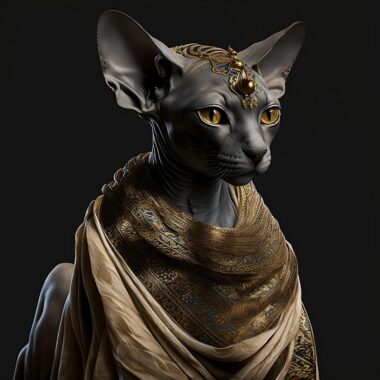
Sphynx cats, known for their unique hairless appearance, require specialized grooming and care to maintain their skin health. Their exposed skin is susceptible to various issues, necessitating an awareness of how diet plays a crucial role. A balanced diet contributes significantly to skin vitality, providing essential nutrients that promote hydration and prevent dryness. High-quality proteins are key; they help repair skin cells and maintain elasticity, which is particularly important given the Sphynx’s lack of fur insulation. Additionally, fatty acids, especially Omega-3 and Omega-6, are vital for skin health. They aid in maintaining moisture levels and reducing inflammation. Furthermore, antioxidants can help combat oxidative stress, which affects skin vitality. Pet owners should prioritize premium commercial diets or homemade formulations rich in these nutrients. Regularly consult with a veterinarian to ensure that the diet is adjusted as needed. And remember to monitor your Sphynx’s skin closely for any signs of irritation or issues. Proper nutrition supports overall health and well-being, promoting softer skin devoid of blemishes or irritations.
Maintaining a healthy skin barrier is essential for Sphynx cats. A key component in achieving this is their diet, specifically tailored to cater to their unique needs. The skin barrier helps control moisture loss while also providing protection from outside irritants. Nutrition can greatly influence the integrity of this barrier; a lack of crucial nutrients will inevitably lead to complications. For example, a deficiency in essential fatty acids could lead to dry, flaky skin. Moreover, vitamins specifically like Vitamin E play a pivotal role in skin repair and nourishment. A proper balance of vitamins and minerals ensures that skin remains resilient against environmental factors. It is advisable to include foods or supplements that are naturally rich in these elements. Furthermore, hydration, both from food and water intake, should not be overlooked. Cats, including Sphynx, have a different water requirement compared to other pets. Focus on moist, high-quality pet food if feasible, with an adequate water supply readily accessible. Ensuring that all dietary needs are met can go a long way in enhancing your Sphynx’s skin health and overall happiness.
Understanding Sphynx Skin and Its Care Needs
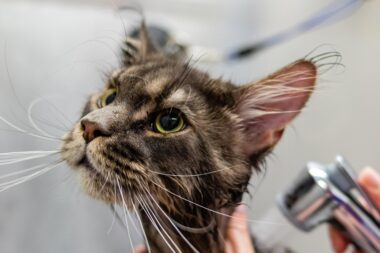
The anatomy of Sphynx cat skin is unique, which in turn elevates the necessity of their grooming routine. Since they lack fur, their skin typically produces more oil to compensate. This oil can accumulate and lead to issues such as greasy skin and clogged pores if left unmanaged. As a responsible cat owner, consider incorporating regular baths into the grooming routine. Bathing helps remove excess oil and dirt while keeping the skin fresh and clean. Using a mild, hypoallergenic shampoo is recommended to prevent irritation. However, it is critical to ensure that bathing is done in moderation; excessive baths can strip away natural oils and exacerbate skin problems. Moreover, always take care during bath time to avoid anxiety for your Sphynx, ensuring it’s a positive experience. Additionally, providing a clean environment is essential; frequent washing of bedding and living areas reduces the buildup of dirt, contributing to healthy skin. Grooming sessions can also double as opportunity for checking their skin regularly. Occasionally, pimples or rashes may appear, requiring timely attention. Therefore, make skin checks a routine part of your grooming efforts.
Regular vet check-ups are paramount when it comes to skin health in Sphynx cats. Veterinarians can offer crucial insight on nutritional needs tailored to the individual cat. A vet can identify specific dietary deficiencies and suggest appropriate adjustments. Regular examinations can also help catch potential skin issues early on. Should your Sphynx show signs of irritation or inflammation, prompt veterinary guidance can prevent conditions from worsening. Always be proactive in seeking veterinary care, ensuring your cat receives vaccinations and preventive treatments as needed. Sphynx cats may also be more susceptible to certain skin infections; hence, awareness and education on what to look for are essential. Any abnormalities like red patches, excessive scratching, or unusual behavior should warrant an immediate visit to the veterinarian. Knowledge of your Sphynx’s specific breed characteristics aids in better understanding potential health issues. By establishing a good relationship with your vet, you create an effective support system focused on your cat’s overall wellbeing. Remember that a consistent approach to skin and diet care will yield the best results and improve your Sphynx’s quality of life.
The Importance of Hydration
Hydration significantly affects Sphynx cats’ skin health and overall vitality. Water intake is often overlooked, but it is vital for maintaining skin moisture and elasticity. A well-hydrated body promotes the effective functioning of various systems; skin is one of the most visibly impacted areas. If a Sphynx is dehydrated, it can exhibit dry, flaky skin, which can lead to further complications. Utilizing wet food can be an effective strategy to boost fluid intake, as moisture in food contributes to overall hydration levels. Always provide fresh, clean water daily to encourage drinking. Observing your cat’s behavior, such as their drinking habits, can help gauge hydration status. Take note of the moisture content in dry versus wet food and balance accordingly. If your Sphynx is reluctant to drink enough, consider flavoring the water with a small amount of low-sodium chicken or beef broth. However, avoid any harmful additives. Monitoring your cat for signs of dehydration—such as lethargy, dry gums, and decreased skin elasticity—is crucial. By ensuring effective hydration strategies, you actively support your Sphynx’s skin health while fostering a happier and healthier life.
Discussing specific dietary components beneficial for Sphynx cats is essential for overall grooming. Certain raw ingredients can be incredibly beneficial when included in their diet. For example, high-quality meat should be a priority, as it provides essential amino acids crucial for skin repair. Organ meats, like liver, are nutrient-dense and can contribute positively to skin health. Additionally, incorporating cooked fish like salmon can offer excellent Omega-3 fatty acids, vital for promoting a healthy sheen in their skin. Some pet owners opt for grain-free diets, emphasizing meat and fish protein instead. Moreover, supplementation with fish oil is another avenue worth exploring. However, it is critical to consult with a veterinarian before introducing any new components into your Sphynx’s diet to ensure it meets all nutritional profiles properly. Alongside diet, factors like the quality of ingredients play a crucial role; sourcing from reputable companies can make a significant difference. Always check for AAFCO statements on pet food packaging, indicating that the food meets industry standards. By dedicating attention to specific dietary components, pet owners can greatly enhance the grooming and skin-luster of their beloved Sphynx companions.
Conclusion on Maintaining Skin Health
In conclusion, maintaining skin health for Sphynx cats hinges on proper nutrition, hydration, and grooming practices. Prioritizing a balanced diet rich in proteins, fatty acids, vitamins, and minerals is crucial. Regular vet consultations ensure that ongoing dietary needs are met and skin health is monitored appropriately. Furthermore, hydration should be emphasized as a key component of skin maintenance, integrating strategies that encourage drinking. Pet owners must remain vigilant, observing any changes in their Sphynx’s skin condition and keeping up a consistent grooming routine, including bathing when necessary. Additionally, staying informed about Sphynx-specific health needs can significantly benefit this unique breed. Interaction and emotional care positively influence their overall wellbeing, enhancing the relationship between owner and pet. This relationship nurtures the physical and emotional development of the Sphynx cat. A healthy, well-cared-for Sphynx will not only display vibrant skin but also radiate happiness and contentment. Ultimately, early intervention is paramount in addressing skin issues, complemented by a proactive approach to diet and care. In this manner, pet owners can provide a loving, nurturing environment deserving of their treasured Sphynx companions.
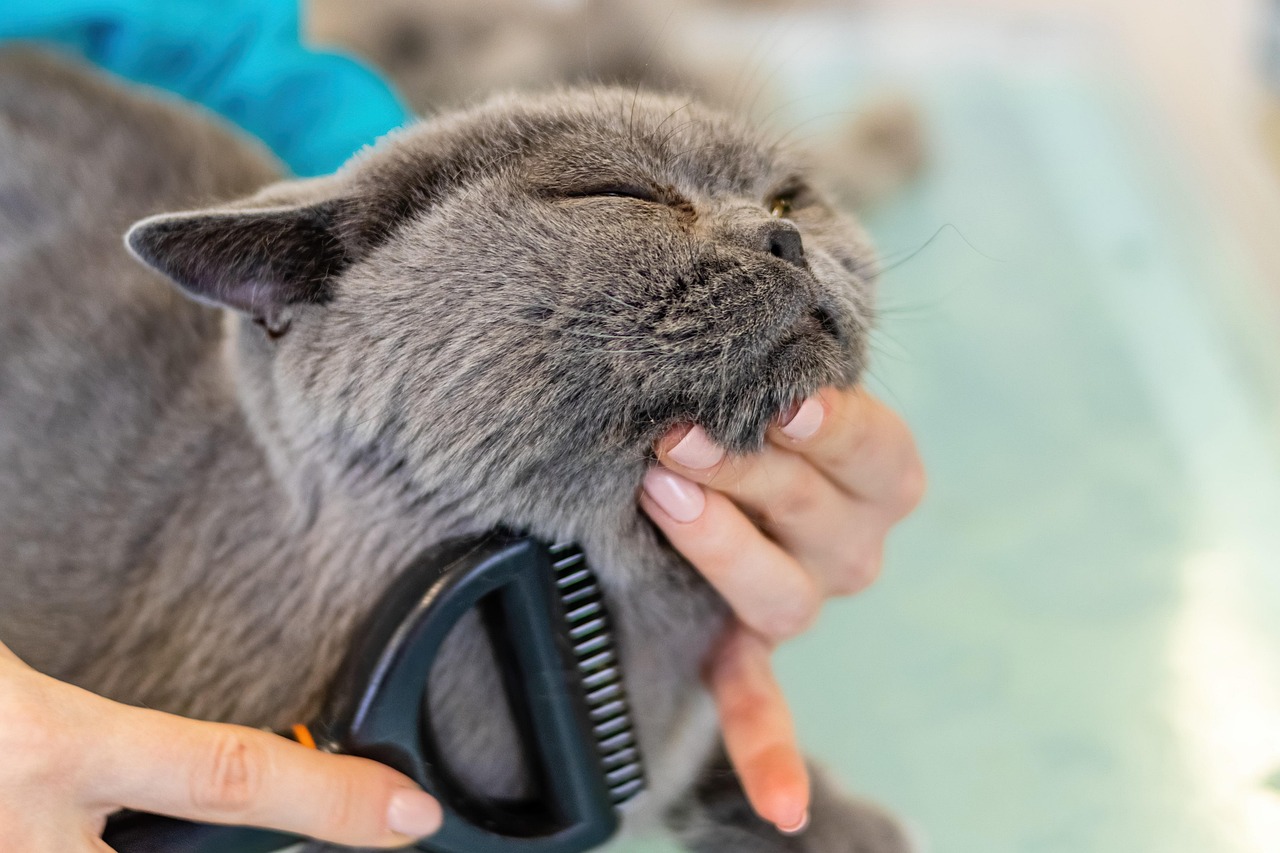
Lastly, grooming should be viewed as a holistic approach rather than strictly about maintaining aesthetics. The relationship between skin health and grooming transcends mere appearance, reflecting internal wellbeing. Engaging in regular grooming sessions builds trust between the owner and the pet while also encouraging emotional bonding. The routine of checking for abnormalities or issues during grooming can foster a proactive approach towards health. Gentle, loving handling during these sessions not only calms anxiety but also enhances the overall experience for the Sphynx. For more information on how to enhance the grooming experience, refer to the resources available at The Catnip Times. Creating a positive environment around grooming reduces resistance, encouraging your Sphynx to view it positively. Investing time in understanding their grooming needs, paired with a comprehensive approach to diet and nutrition, ultimately benefits both the cat and the owner. Thus, fostering a nurturing atmosphere where Sphynx cats can thrive, nourished both physically and emotionally, results in healthier skin and fewer inherent grooming challenges over time.