
How Dog Socialization Influences Canine Body Language
Dog socialization plays a pivotal role in shaping how dogs communicate through body language. Proper socialization starts at an early age, ideally between three and fourteen weeks. During this critical period, puppies learn to interact with various people, animals, and environments. They develop a vocabulary of signals that enables them to communicate their feelings. This rich language allows them to express joy, fear, assertiveness, or submission. Socialized dogs exhibit clearer body language, minimizing misunderstandings and conflicts. A lack of socialization, on the other hand, can lead to confusion and fear. Such dogs may withdraw or react aggressively, which complicates communication. The variety of experiences gained through socialization protects against anxiety, thereby enhancing their comfort in diverse settings. The connection between socialization and effective communication cannot be overstated. For pet owners, understanding that well-socialized dogs are more proficient communicators can lead to healthier interactions. Hence, puppy socialization classes are invaluable resources for owners hoping to nurture effective communication and strong bonds with their canine friends. These classes present opportunities to learn from certified trainers in safe environments, building a foundation for healthy dog behavior.
The process of socialization continues throughout a dog’s life, further refining communication skills. Ongoing interactions with different dogs and people reinforce learned behaviors, allowing for adaptability in various situations. Additionally, exposure to different environments serves to challenge and develop a dog’s ability to respond appropriately. For example, a dog that regularly visits busy parks learns to navigate crowds, ultimately improving their confidence and communication. Similarly, new experiences help dogs identify boundary cues, such as personal space in social scenarios. Dogs leverage their body language more effectively as they become accustomed to various signals from their peers. Therefore, it is not just about the initial socialization but reinforcing these lessons throughout life. Dog owners play a vital role in reaffirming positive experiences and interactions. Encouraging playdates with familiar and unknown dogs can bolster socialization skills further. Maintaining consistent positive reinforcement during interactions aids in developing a well-rounded communicator. Balanced exposure will minimize undesirable behaviors like fear or aggression, promoting a calm disposition in dogs. A well-socialized dog not only benefits themselves but also enhances the overall experience for those they encounter in their daily adventures.
Understanding Canine Body Language
Body language comprises a range of cues—tail positioning, ear stance, and facial expressions—that dogs utilize to communicate. Tail wagging often indicates excitement or happiness, while tucked tails may signify submission or fear. Dogs with ears pinned back may demonstrate anxiety, whereas erect ears display curiosity or attentiveness. Moreover, a relaxed mouth shows comfort, while growling or showing teeth signals discomfort or threat. Recognizing these signals is crucial in understanding a dog’s emotional state, especially during social interactions. The nuance of canine body language assists owners in discerning intents and emotions promptly. Observing interactions among dogs can illuminate communication styles, showcasing how socialized dogs use these signals effectively. For instance, well-socialized dogs engage in play bows, helping develop trust and rapport while conveying friendly intentions. Learning from these interactions also benefits human owners, as they can grasp how to respond appropriately, enhancing human-canine relationships. By paying close attention to body language, owners can create positive responses to various situations. This understanding fosters calm, respectful interactions, ensuring that both dog and owner thrive within their environments, growing together through mutual trust and support.
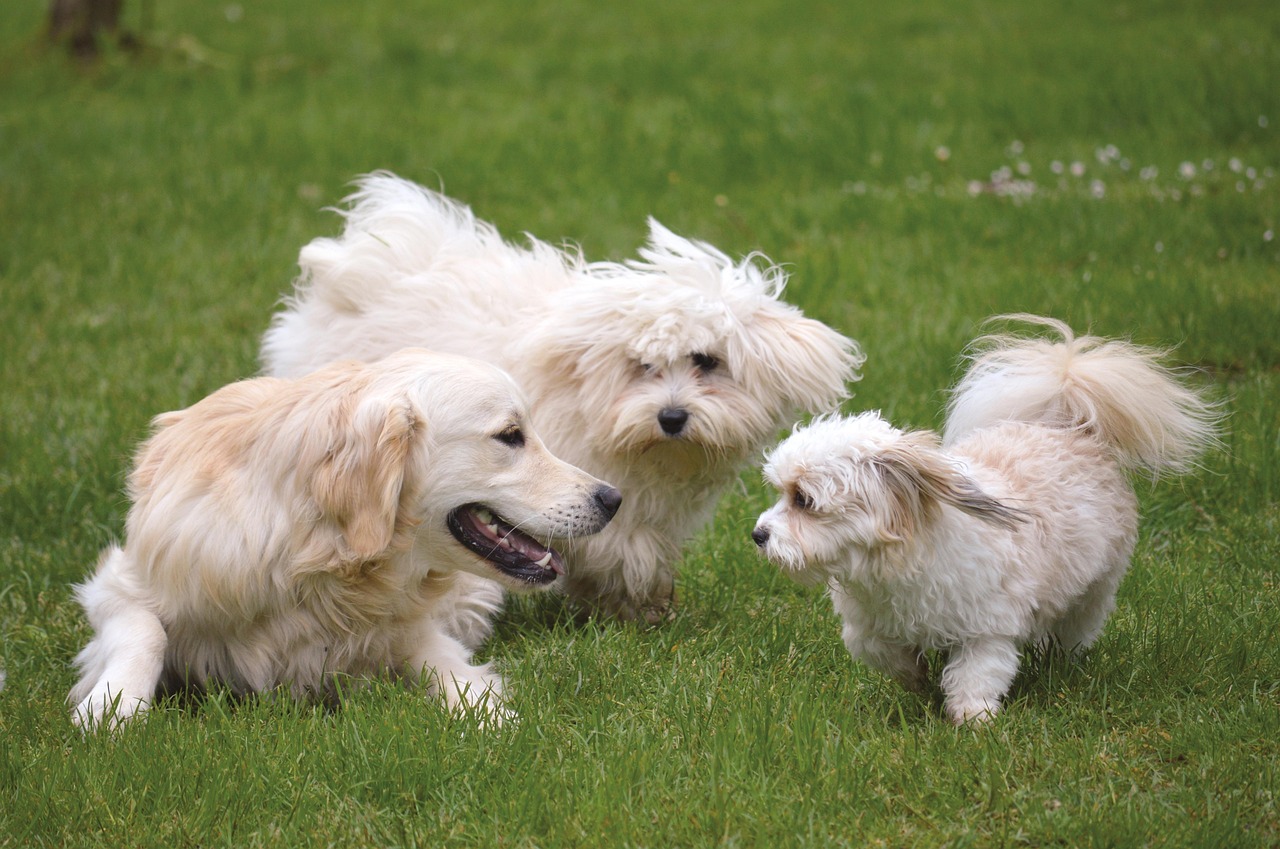
During play, socialized dogs exhibit playful body language—this includes running in circles, playful barking, and inviting others with a play bow. These behaviors help facilitate joyful interactions, enhancing social bonds. Additionally, clear communication among canines enables them to engage in healthy play without escalating into conflicts. Understanding these cues allows owners to intervene and guide interactions to prevent misinterpretations that can lead to aggression. Socialization directly impacts how well a dog can interpret these signals and react accordingly. When dogs communicate effectively, they enjoy more fulfilling relationships with humans and other animals. Moreover, socialized dogs often display impressive confidence when navigating unfamiliar environments. Their ability to read body language and respond appropriately enhances their comfort in diverse situations, reducing stress levels. Engaging in regular socialization experiences helps build resilience, ensuring adaptability to life’s changes. Engaging in various environments can even produce stress-relieving hormones, benefiting owners and their dogs. Well-socialized dogs furthermore foster social experiences for their owners, as they become ambassadors for positive canine interactions. Dogs contribute to building community through their open, friendly communication and social skills, benefiting both canine and human counterparts.
Challenges of Poorly Socialized Dogs
Poor socialization can lead to obstructed communication, which poses a significant challenge for both the dog and its owner. Dogs with inadequate experiences may struggle to interpret signals from other dogs, resulting in confusion or fear. Fear-based responses, such as frozen postures or avoidance, often manifest. Without adequate social skills, a dog may react aggressively as a defense mechanism, leading to potential injury or property damage. Owners might misread these signs, attributing them to traits instead of addressing the root cause—poor socialization. Additionally, poorly socialized dogs can display excessive barking or destructive behaviors when faced with novel situations. These responses can lead to frustration within the home environment. Furthermore, the emotional toll on both the dog and its owner can be profound, as fear and anxiety lead to strained relationships. To mitigate these challenges, owners must invest time in carefully guiding their dogs through socialization. Providing controlled settings and gradual exposure to new experiences encourages progress. Consulting professionals can assist in developing strategies tailored to the dog’s specific needs, addressing both communication and anxiety issues progressively.
Investing in dog socialization is a preventive measure that encourages lifelong benefits, positively impacting canine communication styles. A well-socialized dog is not only more approachable but resonates a calming presence, which is attractive to both dogs and humans alike. Building this positive aura leads to more interactions in everyday life, improving well-rounded confidence. Additionally, well-socialized dogs showcase better adaptability, benefitting from varied experiences that encourage joyfulness and exploration. Successful encounters with other animals reinforce desirable behaviors while nurturing positive attitudes toward new challenges. Socialization promotes reliable response systems when dealing with unexpected situations, enhancing overall resilience. Socialized dogs are often the centers of attention, pulling owners into enjoyable social interactions. Improved communication skills result from effective socialization, leading to enhanced public perception of dogs within the community. Consequently, responsible ownership creates lasting impressions of canines as trustworthy companions. Walking a well-socialized dog in the neighborhood showcases their friendly interactions, which encourages inclusivity among residents. Ultimately, when dogs communicate effectively, they contribute positively to community engagement, weaving human-canine relationships tighter, establishing networks rooted in trust and shared experiences.
Conclusion: The Importance of Socialization
In summary, the importance of dog socialization cannot be understated; it fundamentally shapes effective communication through body language in canines. By beginning the socialization process early and continuing throughout their lives, dogs can develop expressive body languages that enhance their interactions with others. The skills learned through varied experiences benefit not only the dogs but also their owners, who gain a better understanding of their pets’ needs. Recognizing the nuances of canine communication leads to stronger human-canine bonds, promoting harmonious living. Furthermore, well-socialized dogs frequently enjoy more fulfilling lifestyles, characterized by reduced anxiety and improved adaptability, leading to happier and healthier lives. Owners can prevent potential behavioral issues by acknowledging and addressing socialization needs early on. Investing time in dog training and socialization can provide lifelong benefits that extend well beyond puppyhood. Understanding canine body language simulates positive reinforcement and enables meaningful interactions, thereby ensuring the well-being of dogs and their owners. Therefore, recognizing socialization as a priority should be the foundation of responsible pet ownership, fostering safe and enjoyable environments for all involved in the canine journey of life.