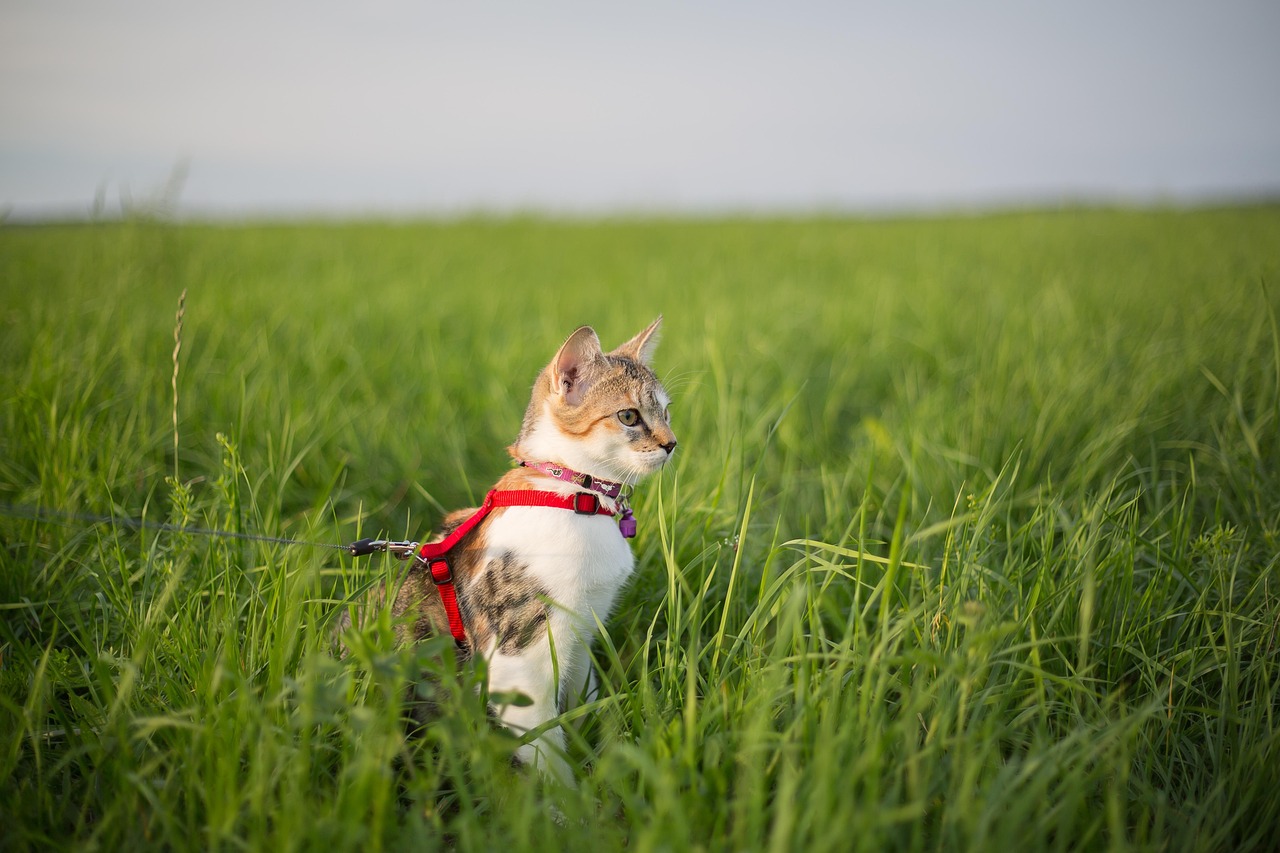

How to Choose Harness Styles Suitable for Leash Training Cats
Choosing a suitable harness for leash training your cat is crucial for successful outings. A well-fitted harness allows your feline friend to explore while ensuring their safety and comfort. Look for harness styles that distribute pressure evenly across their body to prevent injuries. Soft, cushioned materials can enhance comfort during longer walks, and adjustable straps help to achieve the perfect fit. It’s essential to consider the size and weight of your cat when selecting a harness. Some harnesses are designed specifically for certain weight ranges, so refer to the manufacturer’s guidelines to ensure proper use. Additionally, check for secure closures, like quick-release buckles, to make putting on and taking off easier. Some cats might have unique body shapes, so consider evaluating multiple styles to find one that accommodates your cat’s physique. Some harnesses come with reflective elements for increased visibility during evening adventures, enhancing safety. If you plan to train your cat extensively outside, consider breathable fabrics to keep them cool. The right harness can significantly enhance your training experience while reinforcing your bond with your pet. Research and choose wisely!
Next, you will want to explore the types of harness styles available that are suitable for leash training cats.
There are several styles of cat harnesses available, tailored for comfort and functionality. The most common types include the vest-style harness and the traditional H-style harness. The vest-style harness covers more surface area on your cat’s body, providing a snug fit that many cats find comfortable. It’s often made from soft materials that won’t chafe, making this style a favorite among many pet owners. On the other hand, the H-style harness resembles the letter ‘H’ and is typically lighter, designed in a way that’s easy to put on and take off your feline friend. It allows for some freedom of movement while still maintaining security. When choosing between styles, think about your cat’s personality; some may prefer the snugness of a vest while others might feel restrained. Both styles come in various sizes; accurate measurement is critical for safety and comfort. Also, consider color options that appeal to your cat’s personality—bright colors may be easier to spot in low light conditions.
Another important consideration when selecting a harness is the material it is made from.
When evaluating the materials of cat harnesses, comfort, durability, and breathability are important factors. Look for harnesses made from breathable fabrics like mesh or cotton, which provide comfort during longer walks and help regulate body temperature. Materials that are soft and padded will avoid chafing and irritation, essential for your cat’s enjoyment during training. Check the harness’s stitching and durability to ensure it can withstand your cat’s natural behaviors while exploring outdoors. Some harnesses come with added features such as reflective strips, making them safer during dusk or dawn strolls. Remember to avoid materials that are too rigid, as they can restrict movement and make your cat feel trapped or uncomfortable. A flexible harness allows for more freedom, which is essential since a relaxed cat is easier to train. Additionally, look for styles that are machine washable, as cats can get dirty during adventures. A washable harness will make maintenance much simpler for you while keeping your pet looking fresh and clean during your outings.
Assessing Fit and Comfort
Once you have an idea of harness styles and materials, focusing on fit is essential.
To ensure proper fit, measure your cat around the widest part of its chest. Always refer to the sizing guide provided by the manufacturer when selecting a harness. An ill-fitting harness can be uncomfortable or even dangerous, as it may slip off or restrict movement. Place two fingers between the harness and your cat’s body to ensure it is snug yet not tight. Look for harnesses that come with adjustable straps, as they allow you to customize the fit as your cat grows or changes weight. It’s also beneficial to put the harness on your cat and observe their behavior. A happy cat should show signs of comfort and curiosity rather than stress or resistance. Take your pet for short indoor walks to acclimate them to wearing the harness before venturing outside. Monitor closely for any signs of discomfort, like scratching or trying to escape from the harness. Gradually increase the time spent in the harness and leash, building your cat’s confidence with positive reinforcement.
In addition to fit, the ease of use also plays a crucial role in selecting the right harness for your cat.
Choose a harness that is easy to put on and take off, especially if you plan to use it frequently. A complicated design may lead to frustration for both you and your cat, deterring outdoor adventures. Many harnesses come with step-in designs or quick-release buckles, streamlining the initial fitting process. Consider how the harness accommodates your cat’s head and legs. A style that requires you to manipulate your cat’s legs too much can lead to discomfort and cause stress when you try to put it on. Select a harness that allows you to quickly secure your cat without too much fuss. Ease of cleaning is another consideration; the best harnesses are washable or can be wiped down easily, allowing you to maintain cleanliness after those muddy or rainy walks. Finally, don’t shy away from trying out different harnesses until you find one that suits both your needs and your cat’s. The right combination can make leash training a pleasurable experience for both of you!
Setting Up for Success
Harness training your cat for leash walks requires some preliminary steps to ensure a smooth process.
Before heading outside, allow your cat time to acclimate to wearing the harness indoors. Start by letting them sniff and explore the harness without putting it on. This initial introduction helps to demystify the sensation of being harnessed. Once your cat seems comfortable with the harness, gently secure it for short periods indoors. Observing your cat’s body language during this stage is crucial, as stress signals such as hiding or excessive grooming indicate discomfort. Gradually increase the duration of wearing the harness, rewarding your cat with treat and praise during each successful fitting. Introduce the leash once your cat is comfortable with the harness. Allow them to drag the leash around the house, which will help them gain an awareness of the leash’s presence without feeling restrained. When your cat is relaxed, you can begin leash training sessions by gently guiding them outside on a short leash. Remember to remain patient and enthusiastic; persistence and love will build your cat’s confidence in this new adventure!
Lastly, always remain aware of the environment and your cat’s behavior during leash training.
As you venture outside with your harnessed cat, consider using a shorter leash initially to maintain control during walks. This gives you a better ability to guide your cat while they become accustomed to the sights and sounds of the great outdoors. Monitor your cat’s comfort and stress levels closely, as some cats may be more sensitive to outdoor stimuli than others. If your cat shows signs of anxiety or retreat, allow them to explore at their own pace and reassure them with calm words and treats. Walks should be enjoyable for both you and your cat, so don’t rush the experience. Let your cat pause to investigate their surroundings and play, reinforcing positive experiences. Celebrate small victories, such as moments of bravery or curiosity, with extra treats or praise. This will build your cat’s confidence as you both explore leash training together. Over time, your shared bond will grow stronger, further enhancing your experiences and enjoyment of outdoor adventures together!
In conclusion, choosing the right harness can make leash training a rewarding experience for you and your cat.
By selecting high-quality materials, ensuring a proper fit, and promoting comfort, you can enhance your cat’s walking experience while building trust. Test various styles to find the one that accommodates your cat’s shape and preferences, paying close attention to their body language as you proceed. Ease of wear is equally vital; simple harnesses allow you to train effectively without causing stress. Once your cat is comfortable in the harness, establish a practice routine that integrates positive reinforcement. Gradually, they’ll enjoy their new outdoor excursions filled with curiosity and exploration. Always prioritize safety; make sure the harness is secure and choose environments that are conducive to learning during training sessions. Positive experiences will help eliminate fears associated with outdoor adventures. With patience, care, and love, your cat will be ready to trot alongside you on leash walks, offering fun and bonding opportunities. So embrace the journey, choose thoughtfully, and watch as your feline friend blossoms into a confident outdoor companion!