
How to Help Cats Cope with Separation Anxiety
Cats, being sensitive and intuitive creatures, often experience anxiety due to separation from their owners. This effect can manifest when their beloved humans leave for work, school, or any prolonged absence. It may surprise many to know that cats can suffer deeply when separated from their human companions, causing distress that leads to behavioral issues. Indicators of separation anxiety include excessive meowing, litter box issues, destructive behavior, and even aggression. Understanding this is critical for developing effective strategies to alleviate these symptoms. Therefore, knowing how to assess and address the root of separation anxiety is vital. With the right measures, you can help alleviate your feline friend’s anxiety, making the environment more tranquil when you’re not around. Positive interactions during the time you are home can strengthen the bond between you and your cat, ultimately reducing anxiety when alone. By following specific steps, owners can create a better routine, ensuring their pets feel secure even when left alone for a time.
Creating a calming environment is crucial for your cat’s well-being. A quiet and safe space in your home can help alleviate anxiety when your presence is not there. Cats thrive on familiarity and routine, so it’s essential to establish a consistent schedule for feeding, playtime, and other activities. Incorporating familiar toys or blankets can promote comfort in their separation. Consider using synthetic feline pheromones or calming diffusers to create a soothing atmosphere. These pheromones mimic the natural scent markers that cats deposit to alleviate stress. Providing places to perch can also help your cat feel more secure as they can observe their surroundings. Additionally, engaging your cat’s mind with interactive toys can provide mental stimulation, reducing stress levels. Building a routine encompassing enrichment can soften the emotional impact of being alone. Furthermore, ensure they have access to resources like food, water, and litter boxes to feel safe and secure, facilitating a smoother transition during your absence.
Understanding Your Cat’s Needs
Each cat has unique needs and preferences, making it essential to understand your feline friend’s traits and behavior. Identify their specific triggers of anxiety, noting any patterns in their behavior when you’re preparing to leave. This awareness allows you to tailor strategies that suit their individual needs. If your cat exhibits signs of anxiety, it might benefit from increased playtime or more engagement with you before you leave. Short practice departures can help them adjust gradually, allowing them to become accustomed to your absence. Start with brief periods away and see how they respond. Gradually, increase the duration of these departures while ensuring they have plenty of independence. Slow acclimatization fosters adaptability, preparing your cat for long-term coping when they experience loneliness. Creating a stress-free environment and understanding their behavior is vital in nurturing their emotional health. Modification of any sudden changes in their lifestyle is key to your cat feeling secure and safe in their home.
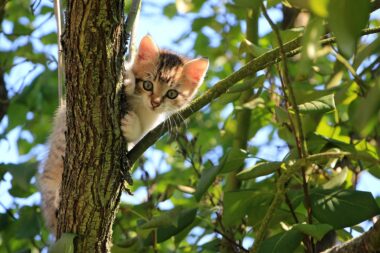
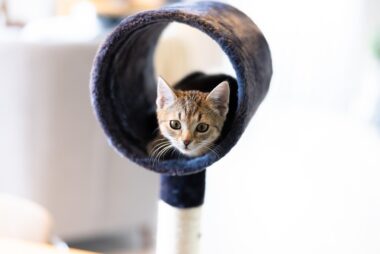
Environmental enrichment can play an essential role in reducing cat anxiety associated with separation. This concept emphasizes the need to keep your cat mentally stimulated and physically occupied while you’re away. A variety of activities can be introduced to cater to their predatory instincts, such as puzzle toys or treat dispensers. Creating vertical spaces, like shelves or cat trees, allows your cat to explore and engage with their surroundings, fostering a sense of control and security. Additionally, incorporating safe and engaging toys can distract them and offer an outlet for their energy, preventing boredom that often leads to anxiety-driven behavior. Engaging toys can be rotated to maintain interest and stimulation. Also, able to track their physical activities through such enrichment can lead to improvements in their overall mood and help alleviate signs of stress. When cats feel engaged, they have a reduced likelihood of expressing anxiety. Enrichment can ultimately result in happier, healthier cats that develop more robust coping mechanisms.
Establishing a Positive Routine
Routines are crucial for helping mitigate separation anxiety in cats. A predictable daily schedule can instill confidence in your cat, providing them with the structure needed for emotional and mental well-being. Feeding, playtime, and bathroom breaks should occur at consistent times daily, signaling to your cat when to expect interaction or stimulation. This expectation can less likely contribute to anxiety when you are away, as they will have predictability in their routine. The time spent with your cat before leaving can create lasting positive memories associated with being home. Ensuring that time spent before you go includes play and bonding helps build trust. Moreover, developing a warm and reassuring departure ritual can indicate that your absence is temporary and plans to return. By making your presence and absence predictable, you help your cat adjust to the feelings of separation more easily. The key is to create a reliable schedule that coordinates positive experiences with the realities of your daily life.
In some cases, consulting with a veterinary professional may be necessary. If your cat’s separation anxiety appears severe or leads to destructive behaviors, seeking veterinary advice is essential. A professional can evaluate if there are underlying medical issues that contribute to the anxiety symptoms. They may also recommend behavioral therapy or even medications to help manage your cat’s anxiety effectively. Medication isn’t always the first line of defense and should be paired with behavioral strategies to yield the best results. In addition to medication, pursuing professional training or behavioral specialists can provide strategies tailored to your cat’s specific anxiety triggers. Collaborative approaches, such as combined behavioral modifications and environmental adjustments, can produce positive outcomes. Remember, being proactive is crucial in supporting your feline’s emotional well-being. Your commitment will facilitate their adjustment, resulting in less anxiety and a happier life.
Embedding Techniques for Long-Term Relief
As you dwell into the area of relieving separation anxiety in your cat, embedding effective techniques into their daily life can yield long-term benefits. Consistent positive reinforcement of good behavior will develop their coping mechanisms over time. Combine this with physical enrichment and mental challenges, which have already been explored, to ensure they’re well-supported. Dogs can significantly differ in their therapeutic needs compared to cats, so tailor the strategies accordingly. Incorporating scent therapy combined with familiar toys can provide comfort, acting as a soothing presence when you are not home. Furthermore, exploring the potential of adopting a second cat might be beneficial, if feasible. Cats often find comfort in companionship; however, it’s essential to evaluate compatibility and the introduction process carefully. Gradually acclimating a second pet ensures comfort and security for both cats, as they navigate their shared environment. Ultimately, fostering a long-term coping strategy equips both you and your feline companion with tools to manage separation anxiety effectively.
In conclusion, helping your cat cope with separation anxiety requires understanding their unique personality and needs. By creating a calm and familiar environment, establishing routines, and incorporating enriching activities, stress can be minimized. Consulting with professionals and exploring various strategies offers pathways to improve your cat’s well-being while you are away. Remember that every cat is different; investing time and effort in addressing their emotional health yields significant rewards. These efforts lead to a more harmonious living situation for both you and your furry friend. Cats thrive in environments where they feel secure, engaged, and loved, helping them develop long-lasting coping techniques for any anxiety-induced situations. Working together to create an anxiety-free world, you and your cat can experience comfort and peace, even during separations. Adapting your home, incorporating play, and nurturing their emotional health creates a fulfilling life for your pet. With a little patience, understanding, and appropriate techniques, you can significantly lessen the anxiety your feline feels during your absences. Take the steps needed today; transform your relationship, benefiting not just your cat but your entire household.