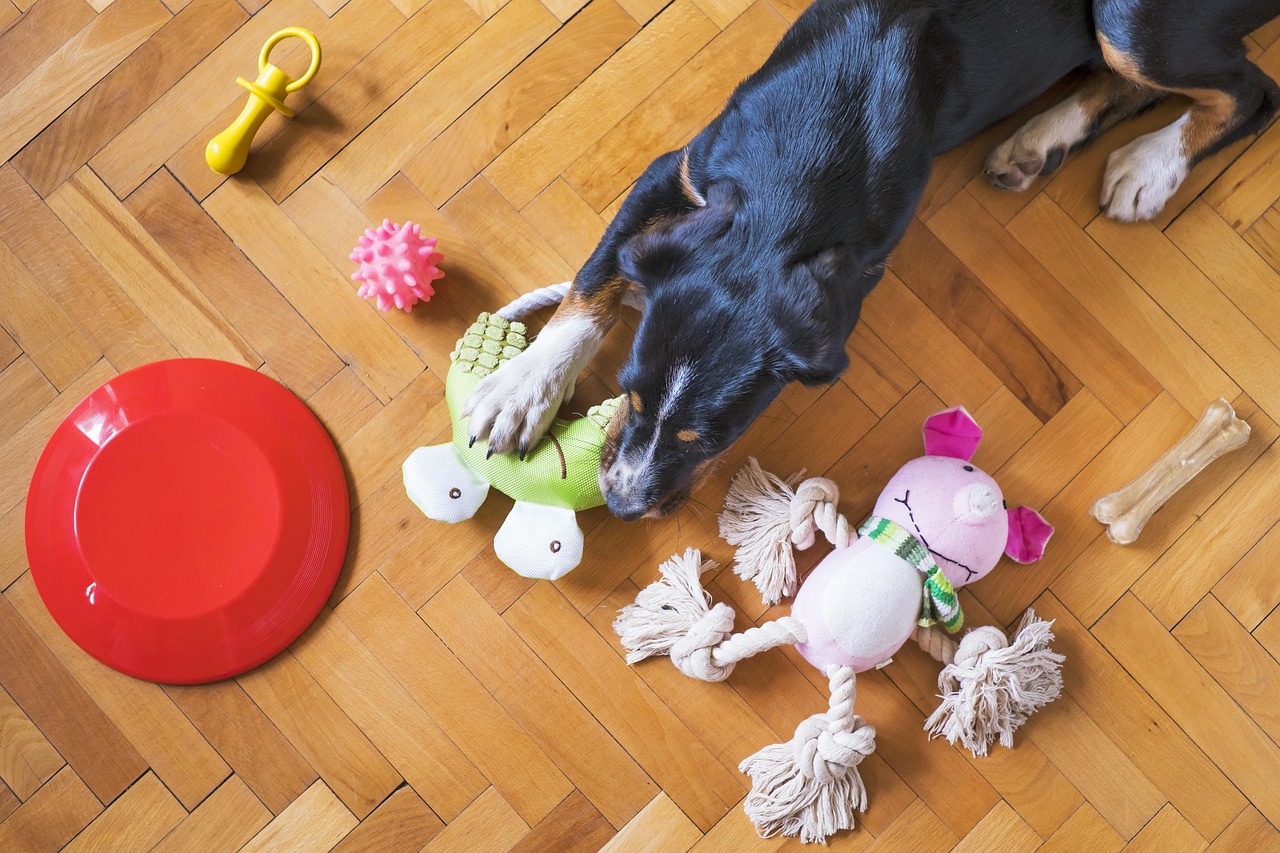

Maximizing Space: Compact Dog Toy Storage Tips
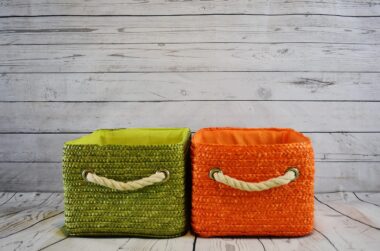
For dog owners, having a collection of toys for your furry friend is essential for keeping them happy. However, without a proper storage solution, these toys can quickly take over your living space. One effective method for organizing dog toys is to utilize multi-functional furniture, which not only provides storage but also serves as an essential piece of your decor. Consider investing in an ottoman that doubles as a storage bin. This approach not only saves space but also ensures that your dog’s toys are easily accessible when needed. Additionally, use decorative bins or baskets that fit your home’s style, allowing you to keep all toys neatly organized. Placing these containers in strategic areas can significantly minimize clutter in your living room or hallway. You may also consider lifting furniture, such as beds or sofas, to maximize space under them. Dog toys can be successfully stored beneath these pieces, creating an organized and neat environment. Make sure to choose the storage method that aligns with your home style and your dog’s play behavior, making the most of your space available.
Another creative solution for dog toy storage is incorporating wall-mounted shelves. Utilizing vertical space is often overlooked but can be a game changer, allowing for toys to be displayed upfront without taking much floor space. You can install sturdy shelves in your mudroom or entryway and display colorful toys making it visually appealing. Moreover, this method promotes good organization since you can categorize toys based on use, such as fetching or tugging. Hang hooks beneath the shelves to store leashes, collars, and other essential items, merging functionality with aesthetics. Additionally, consider integrating toy storage into your dog’s play area by using larger crates. When used correctly, crates can become a cozy den while offering ample storage space for toys. Ensure the crate is comfortable enough for your pet to access. Involve your dog in the process by allowing them to explore the areas where the toys will go and participating in selecting their toys. When dogs associate their storage areas with their playtime, it will help keep everything organized and lessen the likelihood of clutter in your home.
DIY Storage Solutions
Creating your own dog toy storage solutions can be a rewarding project that reflects your personal style. One simple DIY idea is transforming an old drawer into a stylish toy box. By painting it or adding decorative fabric, you can give new life to something you might no longer use. This method provides a unique way to store toys while keeping them accessible for your dog. Another option is repurposing wine crates or wooden pallets to build your own storage unit. By stacking these crates, you can achieve a rustic look that fits well in any space. Attach wheels to the bottom of the crates for easy movement, allowing you to reposition the storage as needed. Additionally, a simple wall-mounted pegboard can work wonders for toy storage to keep playthings organized. By adjusting the heights of hooks, you can store toys at your dog’s level or keep them out of reach. These DIY projects not only encourage decluttering but also add a personal touch to your home while showcasing your pet’s favorite items, making them shine as a focal point in your decor.
Implementing a rotation system for dog toys can also help in managing space effectively. Keeping your dog engaged and excited is essential, but having too many toys accessible at once can create unnecessary clutter. Consider determining a set number of toys to have available at any given time while storing the others away. Rotate these toys weekly, so your dog will always find something new to play with, keeping their interest piqued while keeping the clutter at bay. When not in use, ensure that the stored toys are placed in a designated location, such as a closet or a dedicated storage area. This process not only declutters the living space, but it also ensures that your pet has a varied selection of toys throughout the week, enhancing their overall play experience. Additionally, it’s a great opportunity to wash and inspect toys for wear and tear, ensuring they stay safe and hygienic for your beloved companion. This practice may even create the anticipation of receiving a favorite toy back, thus energizing their playtime considerably.
Smart Labeling and Organization
Consider organizing and labeling your dog toy storage bins for easy retrieval and maintenance. By clearly labeling bins with descriptions like ‘Squeaky Toys’, ‘Fetch Toys’, or ‘Tug Toys’, you will streamline the process for not just you but anyone in your home who might retrieve a toy. Using a consistent and logical categorization system helps in decluttering your living space by ensuring items are returned to their proper places. Labeling can also be a fun way to involve the family, letting children learn accountability by returning toys to their respective storage spots. Moreover, you can add a photo of the toys on each bin, making it easier for younger family members to assist. Implement a routine where after each play session, everyone pitches in to return toys to their respective bins. This habit encourages respect for organized spaces both for pets and humans. Keeping a weekly check on the toy condition can also encourage a clean environment for your pet, as damaged or old toys can be removed from the bins beforehand.
Another helpful strategy for effective dog toy storage involves taking advantage of furniture with built-in storage features. Investing in furniture pieces designed for dual purposes can save you both time and space. For example, coffee tables with hidden compartments allow for seamless toy storage while blending with your home décor. Side tables that open up to store dog toys neatly can also be functional while providing a place to rest drinks or books. This type of furniture not only helps in decluttering but elevates the aesthetic appeal of your interior. Additionally, when selecting furniture for toy storage, choose durable materials that can withstand wear and tear from your pet’s playful nature. While beauty is important, functionality should never be compromised. Ensure your selected furniture items are easy for you to open and access, making it enjoyable for both you and your dog. Such clever storage ideas can lead to a harmonious atmosphere, reducing stress associated with disorganized living spaces while keeping your pet’s toys tidy and accessible at all times.
Maintenance and Longevity of Toys
The longevity of your dog toys relies on both proper storage and regular maintenance. Toys can accumulate dirt and bacteria if they are not cleaned frequently, making an organized storage system crucial. Therefore, it’s essential to set a cleaning schedule to regularly wash durable toys and check for damage. For fabric toys, a gentle wash in the washing machine can do wonders to rejuvenate their appearance. Don’t forget to remove any squeakers or noisy pieces before washing and check for loose threads that may pose a risk to your dog’s health. For plastic or rubber toys, a warm soapy rinse works very well, ensuring that all residue is removed. If any toys become damaged or worn out, it’s vital to dispose of them promptly to ensure your dog’s safety. Keeping the toy rotation varied while ensuring they are clean and functional will keep your dog excited and engaged. Proper maintenance and organized storage may lead to a happier dog and a cleaner home environment, enhancing the experience for both you and your canine friend.
Another effective strategy is implementing a rotation system for dog toys, as this helps maintain cleanliness and stimulate your pet’s interest. Having all toys available at once can lead to disorganization and chaos in your living space. Therefore, limit the number of toys accessible at any time while storing the rest in a designated area. A simple method is to categorize toys into groups by type, purpose, or material, then rotate these groups weekly or bi-weekly. As you swap out toys, keep your pet involved in the selection process. Observe their excitement as they rediscover long-lost favorites, adding an air of surprise to their playtime. Remember to check the stored toys periodically for cleanliness and damage, removing any worn or broken items to maintain a safe play environment. This rotation not only reduces clutter but also helps you monitor the condition of your dog’s toys. Finally, make the storage areas fun for your pet by allowing them to explore the locations where toys are stored, creating positive associations while keeping your living space organized.