Recognizing Signs Your Cat Needs More Physical Activity
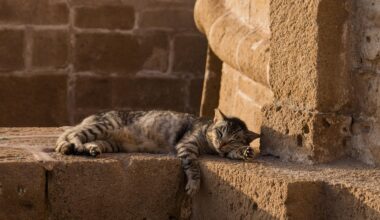
As a cat owner, it’s essential to ensure your feline friend remains active and healthy. Cats are notorious for their sedentary lifestyles, which can lead to obesity and various health issues. You might wonder how to tell if your cat needs more physical activity. Here are some signs to watch for: First, observe their weight; if they seem to be packing on the pounds, it may be time to ramp up their exercise. Conversely, a sudden weight loss can also indicate inactivity. Second, your cat’s energy levels are crucial. If they seem lethargic, sleeping the day away, they might be bored and in need of activity. Third, look for behavioral changes such as increased aggression, which can indicate frustration from lack of stimulation. Finally, if your cat isn’t showing interest in playtime or toys, it might be a sign that your indoor environment isn’t engaging enough. Encourage activity with new toys or interactive games. All these factors are significant indicators that it’s time to implement an exercise routine. Remember to balance physical activity with their natural instincts and preferences.
Next, consider how important it is to understand the daily routines of your cat. Cats have their unique behavior patterns, and learning these can aid in recognizing signs of inactivity. Cats typically enjoy bursts of energy, followed by long periods of rest. If you notice that these energetic spells are diminishing, this could signal the need for more physical engagement. Implementing a structured daily routine with scheduled playtime can be beneficial. Encourage activities that stimulate both their minds and bodies. Try using interactive toys, laser pointers, or feather wands to engage them effectively. The goal is to create a play environment that encourages your cat to explore, jump, and chase, closely mimicking their instincts. Keep an eye on how they respond during play to determine what excites them most. If they suddenly lose interest in their favorite activities or toys, that’s a recommendation to reassess their exercise needs. You might also try introducing different types of toys or creating obstacle courses to make exercise more fun and engaging. Keep experimenting until you find what motivates your cat best.
It’s also crucial to consider your cat’s health condition when determining their need for physical activity. Regular vet checkups should help you ensure that your cat is physically fit for exercise. Some health issues, such as arthritis or obesity, can limit mobility and require careful consideration of how much exercise they can safely handle. If your cat suffers from any chronic conditions, always consult with your veterinarian before starting a new exercise program. They can recommend appropriate activities tailored to your cat’s physical abilities. If they are cleared for exercise, aim for short, consistent sessions rather than long workouts. Monitor how your cat responds to physical activity and make adjustments as necessary. Pay attention to signs of overexertion, such as excessive panting, limping, or fatigue. Providing the right balance of exercise without causing unnecessary strain is essential for their health and well-being. Engaging with your cat using varied activities can help them not only stay healthy but also boost their mental stimulation. Bringing in new challenges is an excellent way to encourage an active lifestyle in your cat.
Benefits of Increasing Activity
Increasing your cat’s level of physical activity has numerous benefits. According to research, regular exercise can help prevent obesity, which is a significant issue in indoor cats. Activities that promote physical fitness can also strengthen their muscles, improve coordination, and support cardiovascular health. Active cats often exhibit enhanced moods and reduce symptoms of anxiety. This increase in positive behavior can lead to a more harmonious environment at home. A playful cat is usually more affectionate and interactive with their owners too. Engaging in regular playtime can also facilitate bonding between you and your feline friend, enhancing your overall relationship. Furthermore, improving your cat’s physical fitness can lead to better quality sleep, making them more energetic during the day. Offering challenging games that require them to think and move simultaneously can also provide mental benefits. This type of activity encourages your cat to explore and engage with their surroundings, leading to increased curiosity and exploration. Overall, encouraging more physical activity is not just beneficial; it’s a vital component of responsible pet ownership.
During colder months, keeping cats active can be challenging, but there are many ways to overcome this. Indoor play is an excellent solution for when the weather prevents outdoor activities. Create a designated play area within your home, utilizing space for interactive toys and climbing structures. Many cats enjoy climbing or scratching, so invest in cat trees or shelves that combine exercise with stimulation. Encouraging play with laser pointers or feather toys helps keep them active, and these items can be used indoors to increase their play time. Moreover, consider puzzle feeders that make your cat work for their food, combining mental exercise with physical activity. You can also use household items to create fun activities; paper bags or cardboard boxes can provide entertainment. Furthermore, involve your cat in daily routines, such as chasing a spray bottle filled with water during cleaning or monitoring food preparation. These activities stimulate your cat’s instincts while also keeping them entertained. The goal is to create an enriching indoor environment that promotes the exercise necessary for optimal health.
To motivate your cat towards a more active lifestyle, rewards play a crucial role. Positive reinforcement can be extremely effective when training your cat to engage in more exercise. Treats can be a fantastic way to encourage participation during playtime, helping them associate movement with pleasure. Different types of treats work well, including small portions of their favorite wet food or special catnip-based snacks. Consider withholding these treats during sedentary times to encourage them to play. Additionally, vary the types of rewards; your cat may respond well to verbal praise, petting, or extra cuddle sessions as motivation. Make sure that the aims of these rewards align with their overall health plan; maintaining a healthy weight during playtime is essential. A combination of praise and physical activity helps create a more enriching environment for your furry companion. Remember to be patient and understanding, as every cat has its personality and preferences. With time and encouragement, you’ll likely see improvements in your cat’s physical activity levels and overall mood. After all, the well-being of your cat is a shared journey between you and your beloved pet.
Conclusion on Cat Exercise
In conclusion, recognizing the signs that indicate your cat needs more physical activity is essential for their health and happiness. Always be observant regarding their weight, behavior patterns, energy levels, and interests in play. The active lifestyle you create greatly impacts their physical health, mental stimulation, and overall quality of life. Remember that each cat is different, so tailor the activities to suit their needs and preferences. Involving your veterinarian can ensure any exercise program is safe and appropriate. Creating an engaging home environment is equally vital—use toys, climbing structures, and varying activities to keep their interest alive. Consistent rewards can also motivate your cat to join in and develop healthy habits. As you embark on this journey to increase your cat’s activity levels, you will strengthen the bond you share with them, resulting in a happier, healthier feline companion. Additionally, don’t forget the importance of maintaining this routine and exploring new ways to encourage your cat to stay active, even indoors. Your efforts today can lead to a more vibrant life for your furry friend.