
The Role of Doberman Pinschers in Police and Military Service
Doberman Pinschers play a crucial role in police and military service owing to their intelligence, loyalty, and strong protective instincts. These breeds possess a natural aptitude for various tasks, making them excellent working dogs. Their physical capabilities, including agility and speed, allow them to excel in situations requiring quick reactions and adaptability. In law enforcement settings, they are often employed for various functions, such as search and rescue operations, tracking suspects, and crowd control. This versatility gains them specialized training, enhancing their natural abilities further. The Doberman’s proclivity for both obedience and loyalty is invaluable in high-pressure scenarios, ensuring reliable performance when it truly counts. Moreover, these dogs are known for their keen senses, especially their renowned sense of smell, which allows them to detect drugs and explosives. Their presence alone can deter potential criminal activity, adding another layer of safety to law enforcement efforts. Those implementing a K-9 unit within their department typically actively seek Doberman Pinschers due to these positive attributes, which reinforce their status as invaluable assets.
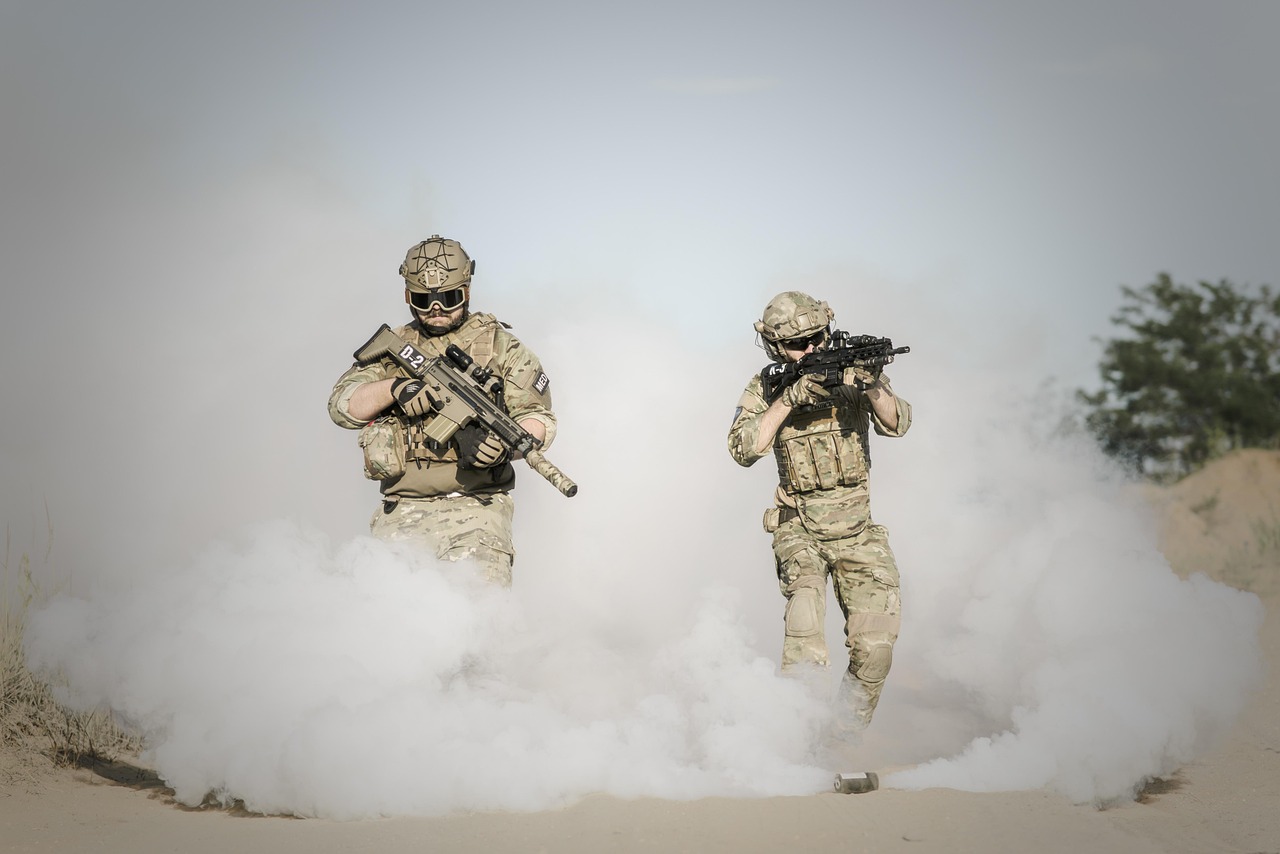
In military applications, Doberman Pinschers have been used historically, originating back to World War II, where they became known as reliable companions for soldiers. Their role was often to serve as sentry dogs, patrol dogs, and search-and-rescue dogs, effectively safeguarding troops. The early adoption of Dobermans in warfare showcased their abilities to detect enemy activity and safeguard personnel during operations. Training programs specifically designed for these breeds ensure that they respond competently to various situations, whether in peacetime or during conflict. With their remarkable stamina, Dobermans can cover vast terrains while remaining alert and focused. The bond formed between these dogs and military personnel underscores their importance as not just working animals but as companions who bring morale and emotional support to soldiers in times of stress. Their ability to detect dangerous situations contributes to the safety of the unit. Moreover, their protective instincts enable them to take defensive actions if necessary, ensuring the security of their human handlers. The devotion between Doberman Pinschers and military service personnel is evident in the essential roles they have historically played and will continue to play.
Training Techniques for Doberman Pinschers
Training is a significant aspect of preparing Doberman Pinschers for police and military tasks. These sessions often employ positive reinforcement strategies, effectively shaping behaviors and commands. Consistency is key; trainers must recreate scenarios that the dogs will face in real situations. The programs utilize a mix of obedience training and specialized tasks specific to police work, such as searching for suspects or acting under verbal command. Proficient trainers understand the importance of establishing a strong bond with the dogs, which enhances trust and compliance. Engaging training sessions combined with physical exercises ensure Doberman Pinschers remain physically sound and mentally stimulated. Training also includes socialization techniques, exposing them to various environments and experiences to facilitate adaptability. Regular assessments are vital in monitoring the dogs’ progress and identifying the training areas requiring extra focus. These methods yield dogs that are responsive, well-rounded, and ready to handle the unique challenges encountered in police and military operations. The reputation of Doberman Pinschers as reliable working dogs stems from the extensive training they undergo, which highlights their potential and reinforces their invaluable role.
In addition to obedience and specialized training, fostering a strong dog-handler relationship is critical for maximizing performance. Handlers must establish trust and mutual respect to ensure effective communication during intense operational scenarios. This bond not only improves response rates to commands but also enhances the dog’s overall welfare, ensuring it is physically and emotionally healthy. Mutual understanding can be cultivated through regular interaction beyond training sessions. Engaging in playtime promotes both enjoyment and relaxation while strengthening the handler-dog connection. Additionally, using agility exercises enriches the Doberman’s skillset, enhancing their problem-solving capabilities and physical attributes. Handlers may also need to adapt their methods when necessary, ensuring that dogs are well-prepared for changing environments. The overall training approach must consider the dog’s temperament, addressing their needs and preferences to enhance learning outcomes. A well-trained Doberman Pinscher paired with a skilled handler becomes an integral part of the team, enhancing the effectiveness of police and military operations. This dynamic duo underscores the importance of teamwork between humans and dogs, paving the way for successful missions and improved safety.
Challenges Faced in Training Doberman Pinschers
Training Doberman Pinschers presents unique challenges that require consideration and adaptability. Due to their intelligent and strong-willed nature, trainers must employ methods that motivate and engage the dogs without inducing resistance. The breed’s initial stubbornness can sometimes hinder the learning process, necessitating consistent reinforcement to achieve desired behaviors. Some Dobermans may display anxiety or overexcitement, leading to difficulties during training sessions. Identifying these reactions is essential for incorporating appropriate strategies. A balanced approach that blends structure with fun can enhance focus while decreasing anxiety. Frequent breaks may be necessary to maintain the dog’s attention span, with distractions minimized to facilitate learning. Moreover, trainers must recognize individual differences; each Doberman may have unique triggers and preferences. Tailoring training techniques ensures each dog thrives in the program while achieving proficiency in their tasks. Handlers must also remain observant of their Dobermans post-training to better understand their emotional and physical states. Addressing these challenges yields a well-prepared Doberman, essential for police and military missions where teamwork and adaptability to shifting situations are paramount.
Moreover, the selection process for Doberman Pinschers used in police and military roles involves comprehensive assessment techniques. Those breeds chosen are typically evaluated for temperament, physical capabilities, and overall health. A thorough understanding of a Doberman’s background, including breeding, can influence suitability for specific tasks. Prospective working dogs often undergo testing to ensure they possess desirable traits such as confidence, sociability, and resilience. These evaluations help identify dogs that thrive in high-stress situations, enabling trainers to select candidates with the right attributes. Evaluators must recognize that early exposure to various stimuli significantly impacts a Doberman’s adaptability. Highlighting the need for proactive socialization in their formative months, trainers must work alongside breeders to ensure optimal outcomes. Those Dobermans passing the evaluations receive specialized training tailored to their strengths and weaknesses. This approach not only focuses on enhancing their natural abilities but also fosters confidence, enabling them to perform effectively during operations. Thus, selecting the right Doberman plays an essential role in determining the success of police and military missions, showcasing the importance of breeding practices and evaluations.
The Impact of Doberman Pinschers on Community Safety
Doberman Pinschers have a profound impact on community safety as vital members of police and military teams. Their presence serves as a deterrent to crime, creating a sense of security among residents. This breed’s well-known reputation for loyalty and protection reinforces public trust in the capabilities of K-9 units. Additionally, these dogs facilitate various public services, including educational demonstrations that showcase their skills and functions. Engaging with the community helps foster understanding and appreciation of the role that Dobermans play in maintaining law and order. Their involvement creates a positive relationship between law enforcement agencies and the public, promoting cooperation and support. People often feel more at ease knowing that trained Doberman Pinschers are working alongside officers, lending credibility to the department’s national defense efforts. Their capabilities extend beyond security into valuable roles within outreach programs. In various educational settings, Dobermans participate by assisting in teaching children about safety, community values, and responsible pet ownership. The versatility of Doberman Pinschers within police units significantly enriches their contributions to community well-being.
In conclusion, Doberman Pinschers distinctly represent a vital asset in police and military service. Their intelligence, loyalty, and protective instincts make them unparalleled in carrying out dynamic tasks effectively. Extensive training ensures that these breeds perform exceptionally under the pressure of various operations, while robust selection methods guarantee they possess the necessary attributes to thrive. Despite challenges faced during training, effective strategies tailored to individual needs promote successful outcomes. Consequently, Doberman Pinschers have positively influenced law enforcement, contributing significantly to community safety and maintaining order through their active presence. Engaging with the public enhances their role, fostering an environment of shared responsibility for safety. As the bond between handlers and Dobermans continues to strengthen, the importance of teamwork becomes even more evident in achieving successful missions. The historical significance and ongoing contributions of Doberman Pinschers to police and military service reflect their unwavering commitment and unique capabilities. Their legacy as protectors and companions is vital, illustrating the bond formed between humans and dogs when working together towards common objectives.