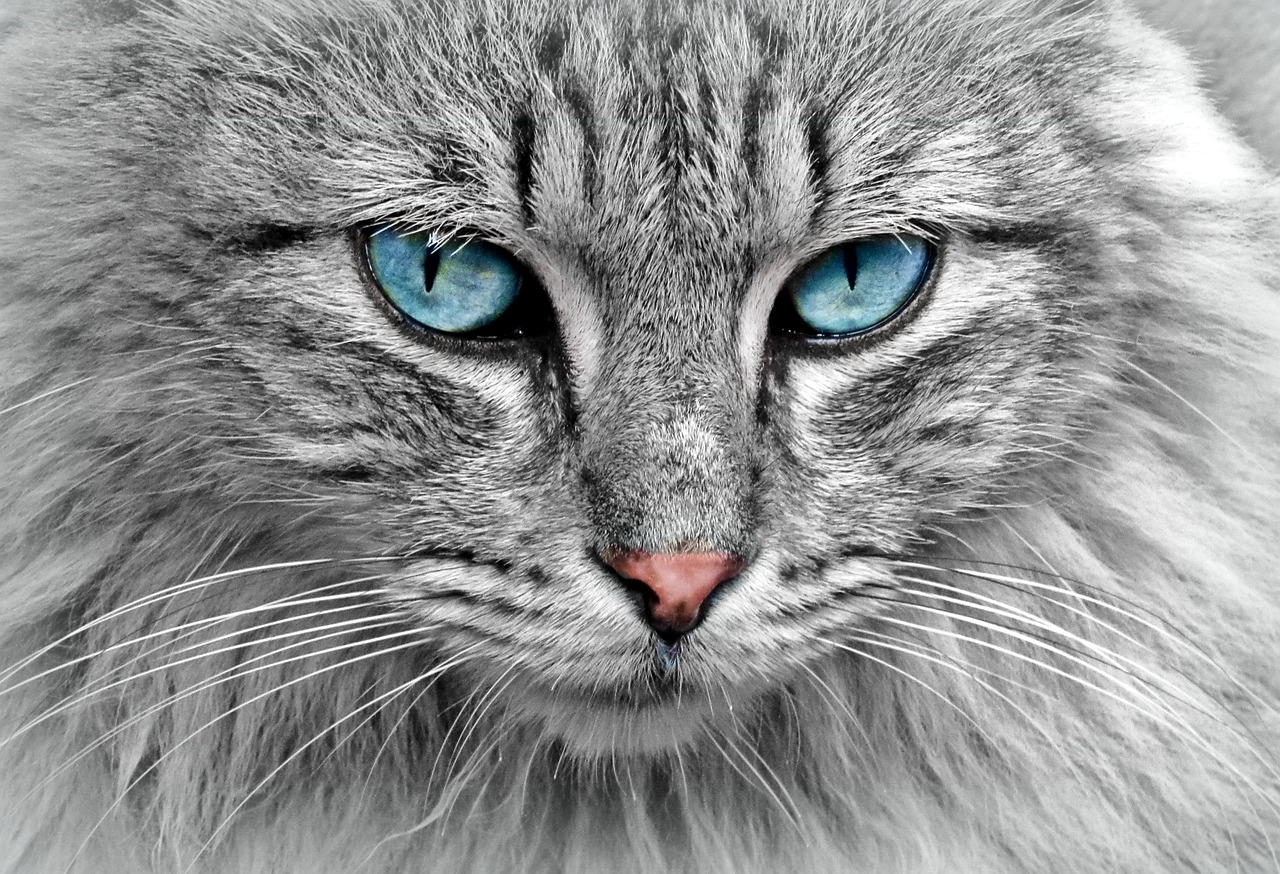

Behavior Modification Strategies for Excessive Vocalization in Cats
Excessive vocalization in cats can be a troubling behavior for owners. Understanding the underlying causes is essential before implementing effective solutions. Common reasons for excessive cat vocalization include hormonal influences, loneliness, or health issues. When cats meow constantly, they may be trying to communicate needs or express discomfort. A routine veterinary checkup is critical to rule out medical problems associated with vocalization, ensuring that the cat’s physical well-being is addressed. Once health issues are ruled out, attention can shift to behavioral aspects. It’s important to observe the specific situations when vocalization occurs. Frequent triggers might include hunger, desire for attention, or stress. Keeping a journal to track when and where these vocalizations happen can provide insights into patterns, clarifying whether the behavior arises from a need for companionship or from other causes. Additionally, it helps to know if certain times are worse than others. Through careful observation, owners can tailor their approach to address their cat’s specific needs, promoting a happier, quieter environment for both the cat and its owners.
Creating an environment that minimizes stress is essential in managing excessive vocalization. Cats thrive in familiar surroundings, so introducing changes gradually can be beneficial. Regardless of the cause, environmental enrichment is fundamental in redirecting a cat’s energy. Providing toys that stimulate mental and physical activity serves as a great distraction. Items such as interactive puzzle feeders or simple feather toys can divert attention away from vocalizing. Moreover, incorporating vertical spaces, such as cat trees or shelves, allows cats to explore and play in a safe environment. Keeping a consistent routine can also alleviate anxiety, as cats often feel secure with predictable schedules. Feeding times, play sessions, and quiet times should be kept regular. Additionally, frequent social interaction can help, whether through direct engagement with the owner or through the presence of other pets. Cat companionship is vital, so fostering relationships is crucial. Gradual introductions to other pets can help address loneliness. By ensuring that the cat feels secure and engaged, excessive vocalization may decrease, leading to improved well-being and tranquility for everyone involved.
Positive Reinforcement Techniques
Implementing positive reinforcement techniques is an effective strategy for reducing excessive vocalization in cats. Positive reinforcement encourages desired behaviors while discouraging unwanted ones. When a cat vocalizes appropriately, responding with praise, treats, or affection reinforces that behavior. For instance, if a cat meows softly for attention, providing it with a gentle stroke or a treat can help to instill that approach. Conversely, ignoring excessive vocalization signals to the cat that loud meows will not yield results. This method, however, requires patience and consistency from the owner. It is important to ensure that reinforcement occurs immediately so that the cat associates the behavior with the reward effectively. Furthermore, owners can establish specific commands or cues for quiet behavior, gradually introducing verbal signals. Just like dogs, cats can learn through repetition and reward systems, making compliance with expectations more achievable over time. Additionally, employing clicker training specifically tailored for cats can be particularly beneficial in teaching and modifying vocal behaviors. This interactive method strengthens the bond between cat and owner while facilitating communication.
Offering alternatives to vocalization is another effective strategy in managing excessive noise. When a cat tends to vocalize to seek attention, providing alternative forms of engagement can deter disruptive behavior. This could involve interactive toys, such as feather wands or laser pointers, allowing owners to channel the cat’s energy positively. More so, dedicating a specific playtime with the cat can provide structured interaction, reducing the likelihood of excessive meowing. Understanding signs of boredom or restlessness in cats is essential, as these can lead to vocalization as a means of expressing dissatisfaction. Additionally, incorporating food puzzle toys encourages independent play and stimulates the cat mentally, redirecting their focus. Establishing a routine that includes designated playtimes can decrease anxiety from lack of stimulation. Enriching their environment with climbing shelves, scratching posts, or cozy hideaways also reduces the urge to vocalize as they interact with their surroundings. Overall, providing alternatives ensures the cat has sufficient engagement, promoting a quieter home while enriching the cat’s life significantly.
Consulting a Professional
If excessive vocalization persists despite trying various methods, consulting a professional is a prudent next step. Animal behaviorists specialize in understanding and modifying pet behaviors, offering expertise that can help resolve vocalization issues effectively. A behavioral assessment can reveal underlying causes that may have been overlooked. Trained professionals evaluate multiple factors contributing to excessive vocalization, including environmental cues, interactions with owners, and overall feline health. Observing the pet in its natural environment allows for targeted assessments that lead to personalized strategies. Some cats may respond better to behavioral therapy sessions, where owners learn new techniques in a guided setting. Furthermore, veterinary behaviorists, who combine behavioral knowledge with medical training, can provide comprehensive insights tailored to the cat’s needs. They may propose specific medical treatments, environmental adjustments, or behavioral modification plans. Consistent follow-up consultations ensure that the cat’s progress is monitored. By engaging professionals in the journey to curb excessive vocalization, owners gain access to tailored solutions designed to enhance their pet’s quality of life.
In addition to professional guidance, utilizing calming aids can significantly assist in managing excessive vocalization in cats. Calming products such as pheromone diffusers replicate natural feline pheromones, promoting tranquility within the home. These products simulate familiarity and comfort, effectively reducing anxiety-related behaviors like excessive vocalization. Some owners also find success with calming collars that release soothing scents, which can create a supportive environment for stressed cats. Incorporating soft music or ambient sounds may also contribute positively to the atmosphere. These background distractions can mask triggering noises, reducing stress levels. Another assistive tool includes anxiety-reducing supplements, which often contain natural ingredients that promote relaxation without sedation. Always consult with a veterinarian before introducing any new supplement to ensure it’s safe and appropriate for your cat. Additionally, offering a safe space where the cat can retreat provides comfort during overwhelming situations. Building a sanctuary that reassures the cat, away from household activity, permits them to navigate stress more effectively, leading to diminished vocalization over time. Together, these calming aids empower owners to create an environment conducive to peace and quiet.
Conclusion
Addressing excessive vocalization in cats requires a multifaceted approach focusing on understanding and modifications. The steps outlined above offer owners a variety of strategies to improve their cat’s behavior effectively. From determining the root causes to implementing positive reinforcement, owners have tools to create a more harmonious home environment. Stress reduction is paramount; thus, enhancing the cat’s surroundings yields long-term benefits. Professional advice can also lend much-needed support, ensuring customized strategies to suit each cat’s unique temperament. Utilizing calming aids and alternatives allows for healthy expressions of energy and communication. While patience is crucial, gradual improvements can be expected as strategies take effect. Engaging with the cat by fostering understanding and companionship ultimately enhances its quality of life and deepens the bond between owner and pet. Excessive vocalization doesn’t have to be an insurmountable challenge; with thoughtful adjustments and ongoing attention, both cats and their owners can enjoy quieter, more fulfilling companionship together. Embracing these insights helps elevate awareness around feline behavior, allowing for greater harmony in the lives of both cats and humans.