
Capturing Personality Through Composition in Cat Portraits
To create captivating cat portraits, understanding composition rules is essential. Composition dictates how elements are arranged in your frame and can dramatically affect the visual interest of your images. Begin by familiarizing yourself with basic principles such as the rule of thirds, leading lines, and framing. The rule of thirds entails dividing your image into three equal horizontal and vertical sections, allowing subjects to align with these points for added focus. Leading lines guide the viewer’s eye through the photograph, while framing utilizes surrounding elements to encapsulate the subject. These techniques allow you to ensure that your cat’s unique personality is effectively represented in each shot, thereby enhancing the overall appeal of your portrait. Additionally, lighting plays a crucial role in showcasing the features and colors that contribute to a cat’s character. By exploring these composition rules and techniques, photographers can improve their ability to capture the essence of cats in creative and engaging ways. Remember, photography is an art form where experimentation leads to improvement, so practice different compositions to find what best fits your subject’s personality.
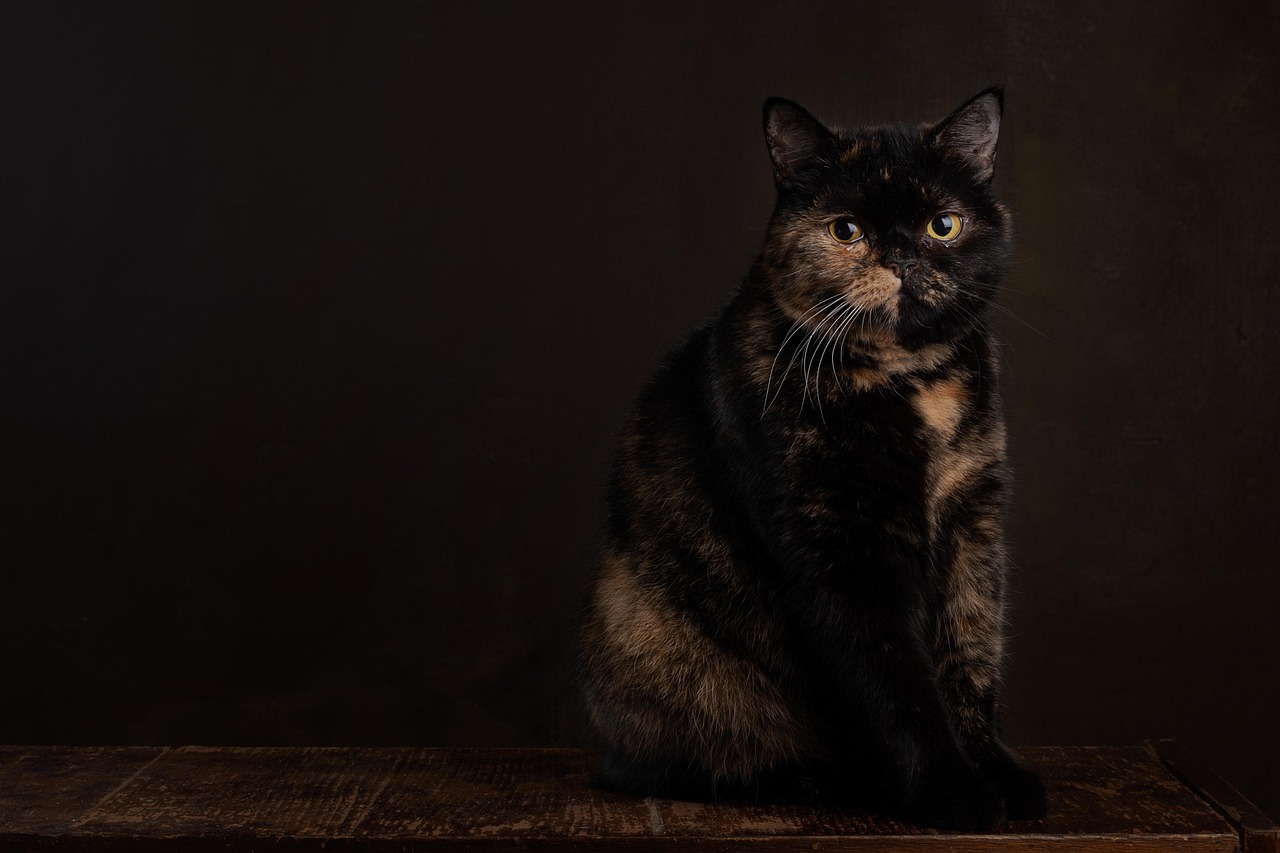
Incorporating different angles can significantly impact the composition of cat portraits. Shots taken at the cat’s eye level often produce more intimate and engaging images, allowing the viewer to connect with the cat’s gaze. This perspective highlights their expressions and emotions, making the photograph more relatable. Additionally, experimenting with high and low angles can create a sense of dynamism in your portraits. A low angle may give your cat an imposing silhouette, while a high angle can showcase them in their environment, providing context and depth. Furthermore, choosing a clean background is paramount when composing cat portraits. A busy backdrop may distract from the subject, diverting attention from the cat’s unique qualities. Opt for backgrounds that complement rather than compete with your subject. Soft textures, muted colors, or the outdoors can offer appealing contrasts. It’s also important to consider negative space in your composition. Leaving whitespace helps direct focus toward the cat while enhancing the overall aesthetic. When you combine these techniques with your photographic intuition, capturing stunning portraits of cats becomes a delightful challenge, showcasing their personalities to the fullest.
Using Natural Light for Stunning Portraits
Natural light is one of the most powerful tools in cat photography. It creates warmth and richness in colors while allowing shadows to add dimension and character to your images. Soft, diffused light, such as on overcast days or through sheer curtains, is ideal for capturing gentle feline features. These lighting conditions help minimize harsh shadows, resulting in a flattering portrait of your cat. Position your cat near windows during the golden hours—just after sunrise or before sunset—to take advantage of soft, golden light that enhances the fur texture and highlights their eyes. It is also essential to pay attention to where the light falls; side lighting can add depth, while front lighting offers a fresh, vibrant look. Additionally, using reflectors can help bounce light onto your cat, brightening their features without creating excessive highlights. Be aware of the cat’s behavior in different lighting situations. They may act differently in bright conditions compared to dim ones. Ultimately, observing your subject in various lighting settings will enable you to find the most appealing compositions that truly showcase your cat’s personality in every portrait.
The choice of props can enhance your ability to capture compelling cat portraits. Thoughtfully selected items not only provide context but also elevate the visual storytelling within the photograph. For instance, a cozy blanket can create a warm atmosphere, while a playful toy can highlight your cat’s playful nature. When introducing props, ensure that they don’t overshadow the cat; the focus should remain on the feline subject. Keep props minimal and related to your theme to avoid distractions. Additionally, incorporating elements of nature, such as plants or flowers, can create an engaging backdrop that complements your cat’s colors and fur patterns. Using natural textures alongside your cat can enhance the composition and provide a more dynamic image. Consider seasonal themes where you might use pumpkins in autumn or flowers in spring. This establishes a story within your portraits that reflects the passage of time and your cat’s personality at that moment. Combining various props with compositional techniques allows for more creative freedom, resulting in diverse and stunning portraits that capture the essence of your feline subject.
Timing and Patience in Cat Photography
Capturing the true essence of your cat often requires patience. Cats can be unpredictable, moving quickly from one state to another, which can make photography challenging. Observing their behavior is essential for determining the right moments to shoot. Timing your shots for when your cat is engaged in their natural behavior—playing, stretching, or lounging—can yield the most genuine expressions. Additionally, spending time simply getting to know your cat in front of the camera will help reduce their anxiety, leading to a more relaxed atmosphere for capturing images. Preparatory steps are equally important; ensure your equipment is ready before anticipating the perfect moment. This preparation enables a quicker response to spontaneous actions. Understanding how your cat interacts with their environment will create opportunities for unique compositions. Utilize treats or toys to get them into desired spots or poses. This effort can result in remarkable portraits that reflect your cat’s character. Remember, the most memorable photos often emerge from genuine, unplanned cuddles and spontaneous antics that reveal their true personality. Being patient will help you develop a connection, and ultimately enhance the quality and emotion of your cat photography.
Post-processing is a vital part of creating stunning cat portraits. Editing techniques allow you to polish and enhance your images, bringing out the best in each photograph. Basic adjustments, such as cropping, exposure, and contrast, can significantly improve a photo’s overall appearance. Cropping is especially important as it can help remove distracting elements or enhance composition. Using a photo editing software, play with brightness and contrast to ensure that your cat’s features are clear and the colors are vibrant. Additionally, adjusting the saturation can enhance the depth of color, making fur look more appealing. It’s also essential to consider color balance to ensure your images reflect accurate fur tones. Various filters and presets can evoke specific moods, setting your cat’s personality beautifully within the context of the photograph. However, avoid over-editing, as it can lead to unnatural images. Maintaining authenticity is key; your goal should be to portray your cat’s true character. Post-processing becomes an invaluable finishing touch that crafts your final presentations, ensuring that your cat portraits capture both the beauty and spirit of your subject in every frame.
Final Thoughts on Cat Photography
Ultimately, composing captivating cat portraits is a gratifying pursuit that requires practice and creativity. The blend of technical skills and intuition allows you to capture unique aspects of feline personalities through your lens. Embrace the rules of composition, play with lighting, experiment with props, and exercise patience to develop your style. Each photograph tells a story and represents your interpretation of your cat’s personality. Remember to have fun and enjoy the process; your enthusiasm will reflect in your work. Be open to new ideas, try different techniques, and don’t hesitate to learn from each shoot. Reviewing what works and what doesn’t is integral in honing your skills as a cat photographer. Sharing your portraits on social media platforms can also provide constructive feedback and inspire creativity. Engaging with other cat photography enthusiasts can foster new friendships and provide fresh perspectives. In this captivating field, every photograph is a step toward growth. As you journey through cat photography, aim to create images that not only showcase your cat’s personality but also resonate emotionally with viewers. Your portraits can become cherished memories and art pieces for you and others.
To complement your cat photography experience, consider joining online communities focusing on feline photography. Connecting with fellow cat enthusiasts can not only enhance your skills but also inspire you to take on new challenges. Sharing your favorite portraits encourages a dialogue about techniques, settings, and styles, helping you learn from others’ experiences. Community support can elevate your artistic journey, as feedback can reveal surprising insights into your own work. In addition, participating in cat photography contests can spark competitiveness that may motivate you to push your limits and develop new abilities. Watch for local exhibitions or online showcases where you can share your photography, giving your work visibility and encouragement. Furthermore, consider investing in workshops led by established cat photographers. These experiences can provide invaluable exposure to expert tips, trick setups, and unique perspectives that can transform your approach. Lastly, keep exploring new photography trends and techniques, as the world of cat photography is ever-evolving. Embrace this journey with passion and watch your skills flourish, resulting in breathtaking cat portraits that not only appeal to viewers but also bring joy to yourself as an artist.